THE ADVENTURE COLLECTIVE® · Independent discovery and booking for outdoor travel

Two hours on Jaco’s forgiving south end can turn a tentative paddler into a standing surfer. ISA-certified local instructors combine shoreline drills, guided paddling and coached wave attempts to make learning safe and efficient.
Two hours on Jaco’s forgiving south end can turn a tentative paddler into a standing surfer. ISA-certified local instructors combine shoreline drills, guided paddling and coached wave attempts to make learning safe and efficient.
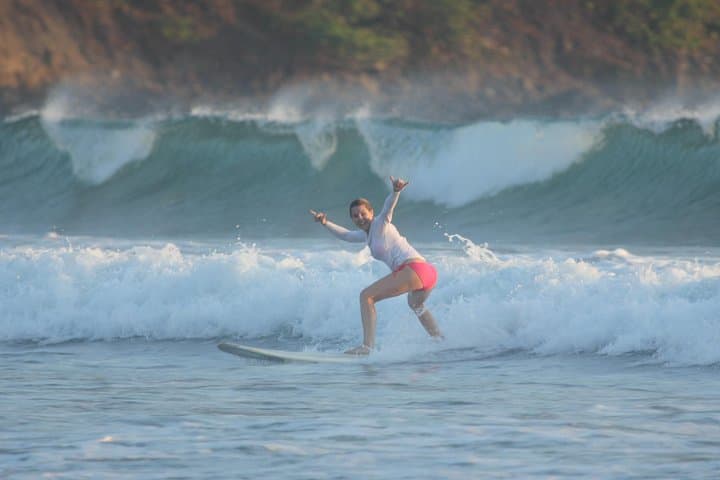
The ocean at Jaco speaks in steady, forgiving sets; the south end breaks into shoulder-high lines that seem to teach you how to stand before the sea asks anything more.
Verified experiences and guided adventures in the surrounding area.
Operated by Vista Los Suenos Adventure Park · Jaco, Puntarenas
The ocean at Jaco speaks in steady, forgiving sets; the south end breaks into shoulder-high lines that seem to teach you how to stand before the sea asks anything more.
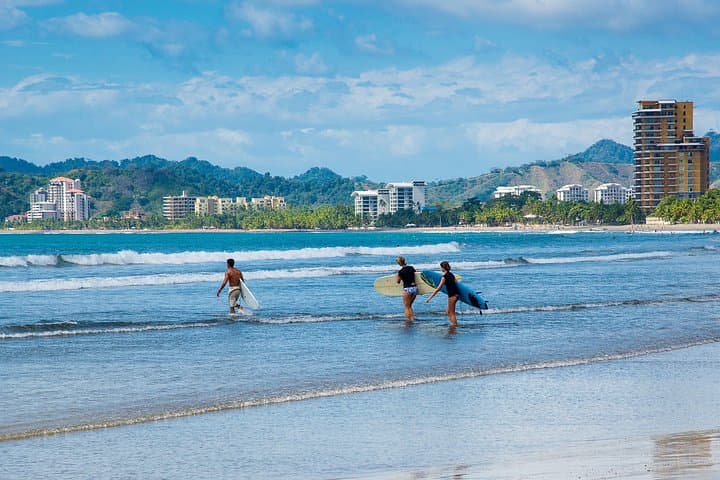
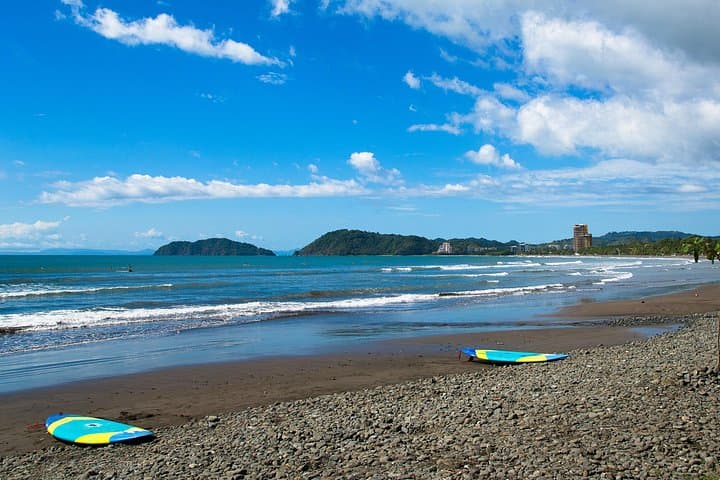
On a two-hour lesson the morning light strikes the wet sand while certified ISA and lifeguard instructors run beach drills—paddling, popping up, board positioning—before guiding you waist- to chest-deep into the mellow waves. Jaco’s shoreline is volcanic in origin, a dark-sand arc formed by offshore lava flows and river outwash; those river mouths and the bay’s curved profile help create the consistent, learnable waves that attract schools of beginners.
The town grew from a fishing village into Costa Rica’s accessible surf hub over the last 50 years, blending local hospitality with surf culture. Instructors here are often lifelong locals who read currents like weather reports and emphasize ocean safety as part of Costa Rican lifeguarding tradition.
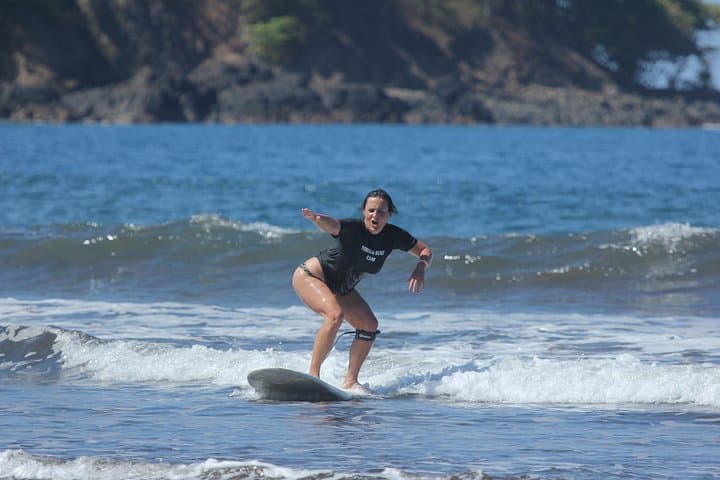
Practically, expect a structured three-part lesson: shore drills, guided paddling in shoulder-deep water, then coached attempts on gentle rides. Instructors supply boards, rash guards, bottled water and sunscreen; classes are scaled by ability with a typical max of 10 students.
Plan for sun, salt, and movement: wear a snug swimsuit, apply reef-safe sunscreen, and bring a towel and a light change of clothes. Basic swimming ability and comfort in open water are required. Mornings usually mean cleaner waves and fewer people; afternoons can bring onshore wind and larger, inconsistent sets.
This is straightforward, instructor-led progression—expect to stand on your first few green waves and leave with clearer technique and a safer relationship to the surf.
Yes—basic swimming skills and comfort in waist-to-chest deep water are required so you can safely paddle and handle wipeouts.
Two-hour group instruction includes beach drills, a surfboard and rash guard if needed, bottled water, sunscreen, and certified ISA/lifeguard instruction.
Yes—children accompanied by an adult can participate; instructors will adapt drills for younger learners but check age limits with the provider.
Shared lessons typically cap around 10 students to keep instructor attention focused and safe.
Vista Los Suenos Adventure Park operates guided outdoor trips and adventures with an emphasis on safety, stewardship, and memorable experiences.
The ocean at Jaco speaks in steady, forgiving sets; the south end breaks into shoulder-high lines that seem to teach you how to stand before the sea asks anything more.
The ocean at Jaco speaks in steady, forgiving sets; the south end breaks into shoulder-high lines that seem to teach you how to stand before the sea asks anything more.
On a two-hour lesson the morning light strikes the wet sand while certified ISA and lifeguard instructors run beach drills—paddling, popping up, board positioning—before guiding you waist- to chest-deep into the mellow waves. Jaco’s shoreline is volcanic in origin, a dark-sand arc formed by offshore lava flows and river outwash; those river mouths and the bay’s curved profile help create the consistent, learnable waves that attract schools of beginners.
The town grew from a fishing village into Costa Rica’s accessible surf hub over the last 50 years, blending local hospitality with surf culture. Instructors here are often lifelong locals who read currents like weather reports and emphasize ocean safety as part of Costa Rican lifeguarding tradition.
Practically, expect a structured three-part lesson: shore drills, guided paddling in shoulder-deep water, then coached attempts on gentle rides. Instructors supply boards, rash guards, bottled water and sunscreen; classes are scaled by ability with a typical max of 10 students.
Plan for sun, salt, and movement: wear a snug swimsuit, apply reef-safe sunscreen, and bring a towel and a light change of clothes. Basic swimming ability and comfort in open water are required. Mornings usually mean cleaner waves and fewer people; afternoons can bring onshore wind and larger, inconsistent sets.
This is straightforward, instructor-led progression—expect to stand on your first few green waves and leave with clearer technique and a safer relationship to the surf.