THE ADVENTURE COLLECTIVE® · Independent discovery and booking for outdoor travel
Three hours of ISA-certified instruction on Costa Ballena’s Central Pacific beaches, followed by a refreshing waterfall visit. Ideal for beginners and intermediate surfers who want guided wave skills plus local insights.
Three hours of ISA-certified instruction on Costa Ballena’s Central Pacific beaches, followed by a refreshing waterfall visit. Ideal for beginners and intermediate surfers who want guided wave skills plus local insights.
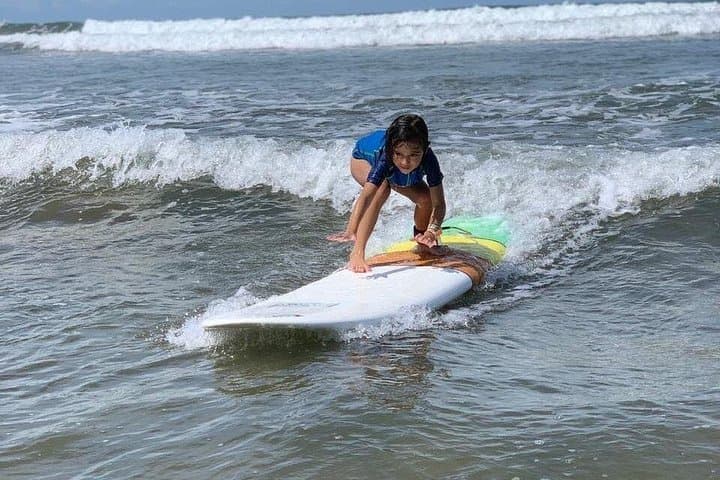
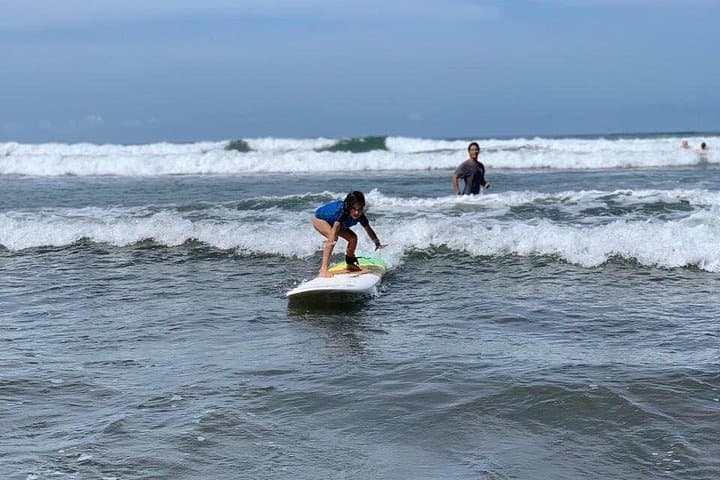
The morning opens on a wide Pacific beach: foam fingers at the shoreline, a clean blue horizon, and instructors scanning sets with practiced calm. Participants gather on sand warmed by sun, boards lined like teeth; the lesson begins with safety, stance and catching a green wave.
Verified experiences and guided adventures in the surrounding area.
Operated by Pablo Elias Ramirez Corrales · Uvita, Puntarenas
The morning opens on a wide Pacific beach: foam fingers at the shoreline, a clean blue horizon, and instructors scanning sets with practiced calm. Participants gather on sand warmed by sun, boards lined like teeth; the lesson begins with safety, stance and catching a green wave.
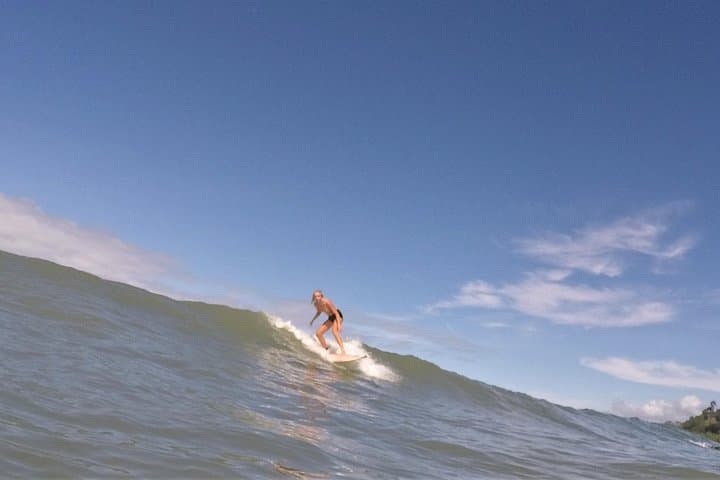
Costa Ballena — the stretch of coast around Uvita and Dominical — sits on the Central Pacific of Costa Rica. Geologically the coastline is shaped by tectonic uplift and river sediments that create sandy points and cobble-bottom beaches, producing a variety of wave types from gentle beach breaks to punchier righthand points. The area’s culture blends coastal fishing villages with eco-tourism; many local surf schools are ISA-certified and emphasize ocean awareness and reef protection.
Lessons typically cover paddling technique, pop-up mechanics, wave selection and rip-current recognition, then move into in-water coaching with foam or soft-top boards. After the surf, the itinerary often includes a short drive to a nearby waterfall — a cool-down that doubles as a local highlight.
Practical guidance: arrive hydrated and sun-protected, and expect 2–3 hours of active instruction with periods of rest between sets. Beginners should be comfortable in waist-deep water and able to tread water; instructors handle beach-to-water logistics and provide boards and basic rash protection. Be ready for shifting conditions — tides and wind change wave quality — and respect local line-up etiquette. With modest fitness and an open mind, Costa Ballena offers a welcoming entry to surfing framed by rainforest-backed beaches and a strong local ethos of stewardship.
No — lessons cater to complete beginners through intermediate surfers; instructors tailor drills and in-water coaching to each skill level.
Yes — soft-top boards, leashes and basic safety gear are typically provided; check if you prefer a personal wetsuit or rashguard.
Most operators offer private pickup from Uvita, Dominical or nearby lodgings; public transport exists but confirm pickup options when booking.
The waterfall is a short drive away and serves as a cool-down and photo opportunity; terrain can be slippery so wear appropriate shoes.
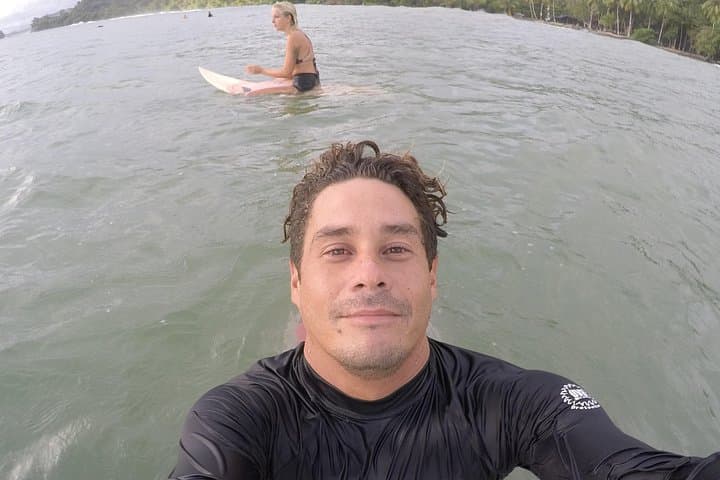
Pablo Elias Ramirez Corrales operates guided outdoor trips and adventures with an emphasis on safety, stewardship, and memorable experiences.
The morning opens on a wide Pacific beach: foam fingers at the shoreline, a clean blue horizon, and instructors scanning sets with practiced calm. Participants gather on sand warmed by sun, boards lined like teeth; the lesson begins with safety, stance and catching a green wave.
The morning opens on a wide Pacific beach: foam fingers at the shoreline, a clean blue horizon, and instructors scanning sets with practiced calm. Participants gather on sand warmed by sun, boards lined like teeth; the lesson begins with safety, stance and catching a green wave.
Costa Ballena — the stretch of coast around Uvita and Dominical — sits on the Central Pacific of Costa Rica. Geologically the coastline is shaped by tectonic uplift and river sediments that create sandy points and cobble-bottom beaches, producing a variety of wave types from gentle beach breaks to punchier righthand points. The area’s culture blends coastal fishing villages with eco-tourism; many local surf schools are ISA-certified and emphasize ocean awareness and reef protection.
Lessons typically cover paddling technique, pop-up mechanics, wave selection and rip-current recognition, then move into in-water coaching with foam or soft-top boards. After the surf, the itinerary often includes a short drive to a nearby waterfall — a cool-down that doubles as a local highlight.
Practical guidance: arrive hydrated and sun-protected, and expect 2–3 hours of active instruction with periods of rest between sets. Beginners should be comfortable in waist-deep water and able to tread water; instructors handle beach-to-water logistics and provide boards and basic rash protection. Be ready for shifting conditions — tides and wind change wave quality — and respect local line-up etiquette. With modest fitness and an open mind, Costa Ballena offers a welcoming entry to surfing framed by rainforest-backed beaches and a strong local ethos of stewardship.
