THE ADVENTURE COLLECTIVE® · Independent discovery and booking for outdoor travel

Two hours at Kalama Park with Aloha Surf School teaches beginners the Hawaiian art of heʻe nalu with certified instructors, provided gear, and a focus on safety and local etiquette. Expect morning swells, reef-protected waves, and practical coaching that emphasizes ocean awareness.
Two hours at Kalama Park with Aloha Surf School teaches beginners the Hawaiian art of heʻe nalu with certified instructors, provided gear, and a focus on safety and local etiquette. Expect morning swells, reef-protected waves, and practical coaching that emphasizes ocean awareness.
The morning light at Kalama Park lifts off the reef in sheets of gold while the South Maui surf dares you into the water. Palms rustle along South Kihei Road, locals jog past the red-and-yellow Aloha Surf School bus, and the ocean smells like salt and basalt — the island’s volcanic bones meeting reef flats.
Verified experiences and guided adventures in the surrounding area.
Operated by Hawaiian Ocean Sports · Kihei, Hawaii
The morning light at Kalama Park lifts off the reef in sheets of gold while the South Maui surf dares you into the water. Palms rustle along South Kihei Road, locals jog past the red-and-yellow Aloha Surf School bus, and the ocean smells like salt and basalt — the island’s volcanic bones meeting reef flats.
Surfing here links directly to Hawaiian history: heʻe nalu, the ancient wave-riding art that once marked status and ceremony. Geology makes the break — an offshore fringing reef creates mellow, rideable waves for beginners, while lava-born headlands shape currents and sandbars. The culture of aloha and ohana informs lessons; instructors emphasize respect for locals, the reef, and other surfers.
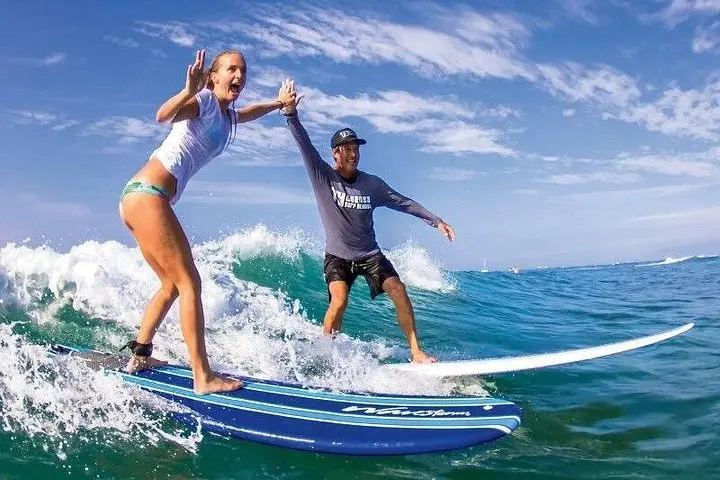
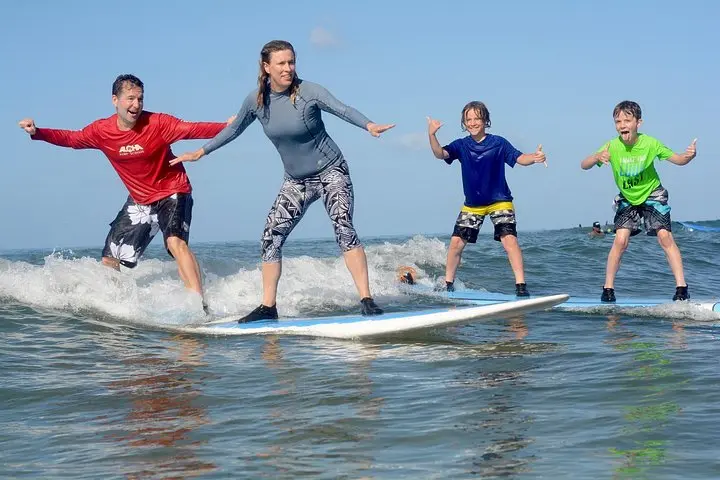
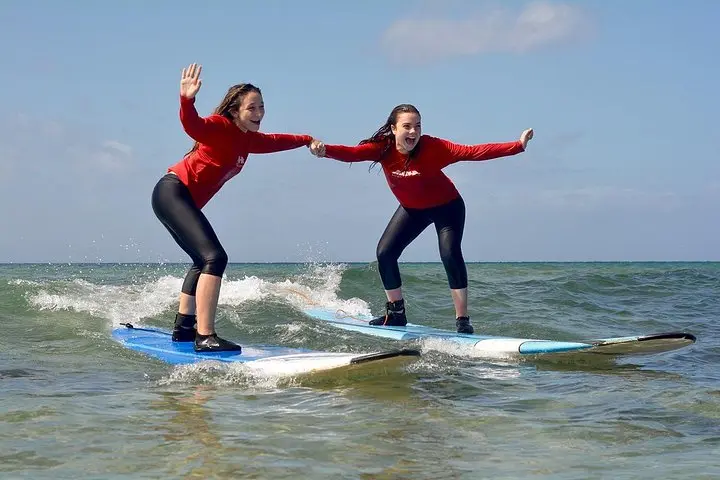
Expect a practical, hands-on session: a safety briefing, land practice, and guided paddling into waist-to-chest high waves with an instructor. Instructors provide rash guards, booties, and boards, but basic ocean comfort and ability to paddle are required. Timing matters — mornings offer cleaner conditions and smaller crowds; trade winds pick up in the afternoon, pushing chop toward shore.
Plan to arrive 20–30 minutes early for check-in and parking at Kalama Park. Wear reef-safe sunscreen, stay hydrated, and bring a towel and change of clothes. Listen to your instructor about currents; if a rip picks up, relax and paddle parallel to shore. When you stand up for the first time, the wave will feel less like conquest and more like conversation — the ocean answering when you move with it.
Yes — you should be comfortable in the ocean and able to swim short distances; instructors coach paddling and positioning but not basic swim lessons.
Instructors supply a surfboard, rash guard, and protective booties as part of the lesson.
Yes — lessons accept families and children but participants must meet age requirements and be able to follow safety instructions.
Lessons may be canceled for unsafe surf or poor weather; the operator typically provides full refunds if canceled at least 24 hours prior.
Hawaiian Ocean Sports operates guided outdoor trips and adventures with an emphasis on safety, stewardship, and memorable experiences.
The morning light at Kalama Park lifts off the reef in sheets of gold while the South Maui surf dares you into the water. Palms rustle along South Kihei Road, locals jog past the red-and-yellow Aloha Surf School bus, and the ocean smells like salt and basalt — the island’s volcanic bones meeting reef flats.
The morning light at Kalama Park lifts off the reef in sheets of gold while the South Maui surf dares you into the water. Palms rustle along South Kihei Road, locals jog past the red-and-yellow Aloha Surf School bus, and the ocean smells like salt and basalt — the island’s volcanic bones meeting reef flats.
Surfing here links directly to Hawaiian history: heʻe nalu, the ancient wave-riding art that once marked status and ceremony. Geology makes the break — an offshore fringing reef creates mellow, rideable waves for beginners, while lava-born headlands shape currents and sandbars. The culture of aloha and ohana informs lessons; instructors emphasize respect for locals, the reef, and other surfers.
Expect a practical, hands-on session: a safety briefing, land practice, and guided paddling into waist-to-chest high waves with an instructor. Instructors provide rash guards, booties, and boards, but basic ocean comfort and ability to paddle are required. Timing matters — mornings offer cleaner conditions and smaller crowds; trade winds pick up in the afternoon, pushing chop toward shore.
Plan to arrive 20–30 minutes early for check-in and parking at Kalama Park. Wear reef-safe sunscreen, stay hydrated, and bring a towel and change of clothes. Listen to your instructor about currents; if a rip picks up, relax and paddle parallel to shore. When you stand up for the first time, the wave will feel less like conquest and more like conversation — the ocean answering when you move with it.