THE ADVENTURE COLLECTIVE® · Independent discovery and booking for outdoor travel

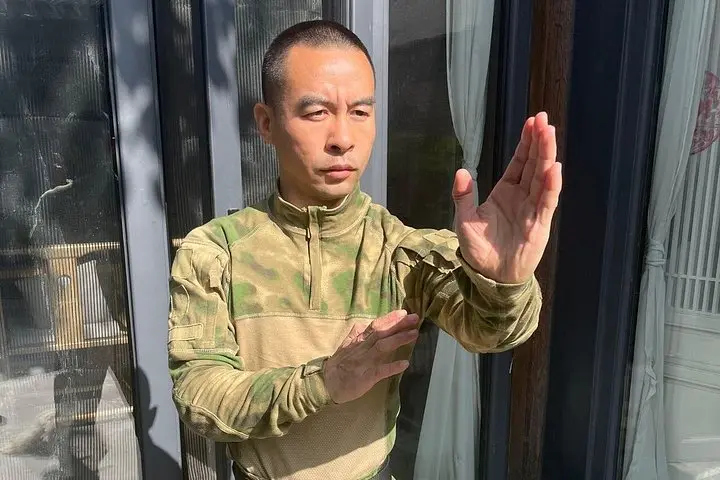
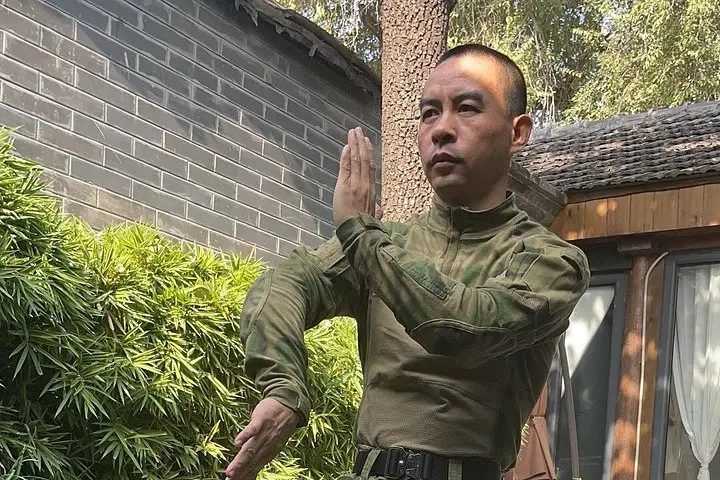
Practice traditional Chinese kungfu beside the Forbidden City in a focused one-hour class led by a professional instructor. Perfect for beginners seeking cultural context and practical techniques, the session combines stance work, basic strikes, and breathing drills in a compact, city-center setting.
Practice traditional Chinese kungfu beside the Forbidden City in a focused one-hour class led by a professional instructor. Perfect for beginners seeking cultural context and practical techniques, the session combines stance work, basic strikes, and breathing drills in a compact, city-center setting.
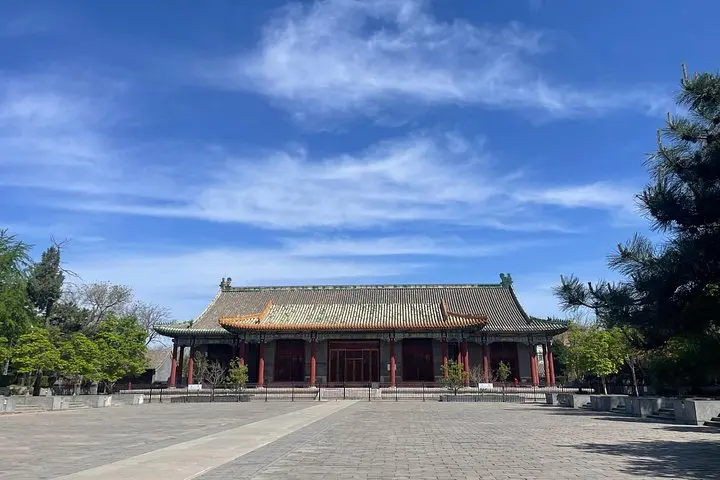
You step out from a narrow hutong and the city opens: a broad stone plaza, the red roofs of the Forbidden City just visible beyond a ring of ginkgo trees. Beside that imperial spine, a small group squares off on flagstones as a teacher calls postures—precise, economy of motion—inviting you to try a stance that has moved through generations.
Verified experiences and guided adventures in the surrounding area.
Operated by Limengrong · Beijing, Beijing
You step out from a narrow hutong and the city opens: a broad stone plaza, the red roofs of the Forbidden City just visible beyond a ring of ginkgo trees. Beside that imperial spine, a small group squares off on flagstones as a teacher calls postures—precise, economy of motion—inviting you to try a stance that has moved through generations.
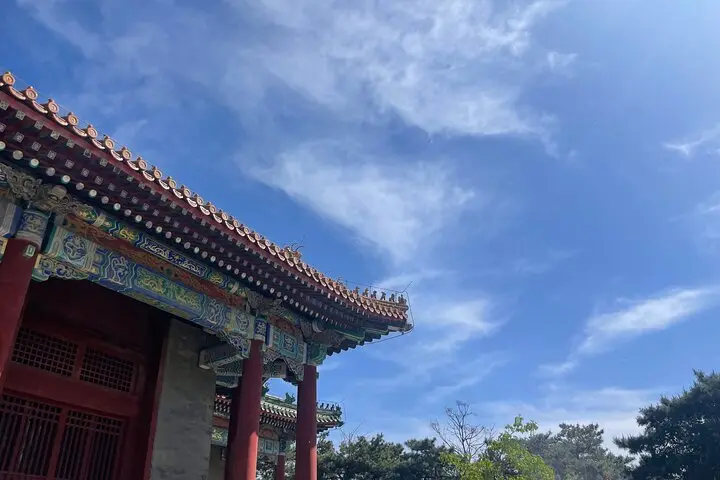
Martial arts in Beijing carry the weight of history. The Forbidden City dates to the early Ming (completed 1420) and the courtyard architecture and hard-packed stone underfoot reflect the North China Plain’s geology: flat, exposed, and prone to biting winter wind. Kungfu here is presented as a living craft—rooted in practical technique developed and refined across dynastic courts and folk schools rather than ring sport.
Expect a focused, hour‑long lesson emphasizing stance, basic strikes, and breathing; classes are usually small (up to 15). The instructor often demonstrates lineage-style drills and explains differences between traditional Chinese kungfu and modern boxing, then guides you through partner-free solo work.
Practicalities: bring flat-soled shoes, flexible clothing, and a filled water bottle. The class is suitable for most fitness levels but not recommended for those with bad backs, heart conditions, or pregnancy. Arrive 10–15 minutes early to stretch and hear local etiquette—bows, listening to correction, and keeping cameras unobtrusive. Public transport drops you within a short walk; pair the lesson with a morning visit to Jingshan Park for the best city views.
This is a cultural-movement experience: hands-on training that places technique in a living urban context while reminding you to respect the historic surroundings and your own limits.
No—classes are designed for beginners and focus on foundational stances, basic strikes, and breathing; instructors progress at a beginner-friendly pace.
Meet beside the east edge of the Forbidden City (near pedestrian areas and public-transport stops); the booking confirmation will include a meeting-note and photo reference.
Most local instructors teach in Mandarin and basic English; expect some translation or demonstration-based teaching in mixed groups.
This activity offers instant confirmation, mobile tickets, and a full refund if canceled at least 24 hours before the scheduled start; one ticket per booking applies.
Limengrong operates guided outdoor trips and adventures with an emphasis on safety, stewardship, and memorable experiences.
You step out from a narrow hutong and the city opens: a broad stone plaza, the red roofs of the Forbidden City just visible beyond a ring of ginkgo trees. Beside that imperial spine, a small group squares off on flagstones as a teacher calls postures—precise, economy of motion—inviting you to try a stance that has moved through generations.
You step out from a narrow hutong and the city opens: a broad stone plaza, the red roofs of the Forbidden City just visible beyond a ring of ginkgo trees. Beside that imperial spine, a small group squares off on flagstones as a teacher calls postures—precise, economy of motion—inviting you to try a stance that has moved through generations.
Martial arts in Beijing carry the weight of history. The Forbidden City dates to the early Ming (completed 1420) and the courtyard architecture and hard-packed stone underfoot reflect the North China Plain’s geology: flat, exposed, and prone to biting winter wind. Kungfu here is presented as a living craft—rooted in practical technique developed and refined across dynastic courts and folk schools rather than ring sport.
Expect a focused, hour‑long lesson emphasizing stance, basic strikes, and breathing; classes are usually small (up to 15). The instructor often demonstrates lineage-style drills and explains differences between traditional Chinese kungfu and modern boxing, then guides you through partner-free solo work.
Practicalities: bring flat-soled shoes, flexible clothing, and a filled water bottle. The class is suitable for most fitness levels but not recommended for those with bad backs, heart conditions, or pregnancy. Arrive 10–15 minutes early to stretch and hear local etiquette—bows, listening to correction, and keeping cameras unobtrusive. Public transport drops you within a short walk; pair the lesson with a morning visit to Jingshan Park for the best city views.
This is a cultural-movement experience: hands-on training that places technique in a living urban context while reminding you to respect the historic surroundings and your own limits.