THE ADVENTURE COLLECTIVE® · Independent discovery and booking for outdoor travel

A full-day small-group tour from Beirut that pairs dramatic karst geology at Baatara Waterfall with the tranquil Aaqoura Lake and the historic seaside town of Batroun. Ideal for travelers who want nature, culture, and easy walks in one day.
A full-day small-group tour from Beirut that pairs dramatic karst geology at Baatara Waterfall with the tranquil Aaqoura Lake and the historic seaside town of Batroun. Ideal for travelers who want nature, culture, and easy walks in one day.
The bus eases out of Beirut and the city’s glass and concrete give way to rising limestone ridges. Within an hour the road snakes into villages where terraced fields step down toward a quiet mountain lake; Aaqoura’s surface mirrors the slopes and the air smells of pine and wet earth.
Verified experiences and guided adventures in the surrounding area.
Operated by Beirut Airport Transfer · Beirut, Beirut Governorate
The bus eases out of Beirut and the city’s glass and concrete give way to rising limestone ridges. Within an hour the road snakes into villages where terraced fields step down toward a quiet mountain lake; Aaqoura’s surface mirrors the slopes and the air smells of pine and wet earth.
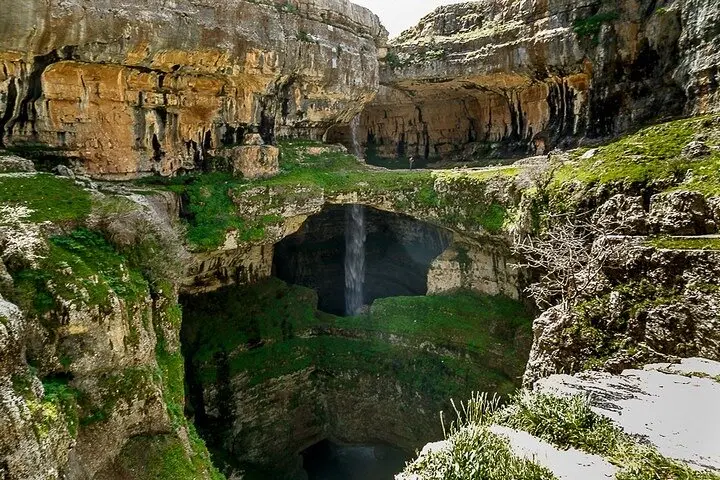
Further inland the landscape speaks in stone: Baatara Waterfall plunges through three natural limestone bridges, a karst cavern shaped over millennia where water dares gravity and the echoes magnify every drop. Geology here is obvious—limestone folded and carved by time—while human history is layered as well. Batroun, back on the Mediterranean, was a Phoenician harbor; its narrow alleys, old churches and seaside walls tell a story of trade and continuity along the Levantine coast.
Expect light walks at each stop, cathedral-like rock formations at the chasm, and coastal breeze in Batroun’s cafes. Guides usually include admissions to the main sites and handle logistics; small-group travel keeps the pace relaxed but efficient.
Practical tips: carry 1–2 liters of water, wear grippy shoes for wet limestone, and time the day to avoid noon heat in summer. Photography opportunities are abundant—use a wide lens at the chasm and a polarizer for the lake’s reflections.
This is a full-day, low-impact outing that pairs geology and coastal culture. Respect marked trails, pack out rubbish, and allow extra time in Batroun if you want to linger over seafood or explore the old harbor.
Yes—hotel pickup and drop-off in Beirut are included as part of the tour.
Each stop involves short, mostly easy walks (10–30 minutes) on uneven terrain; no technical hiking is required.
Admissions and site tickets are typically included for the main natural sites; Batroun stops do not require admission.
Meals are not usually included; there are cafés and seaside restaurants in Batroun if you want to buy lunch.
Beirut Airport Transfer operates guided outdoor trips and adventures with an emphasis on safety, stewardship, and memorable experiences.
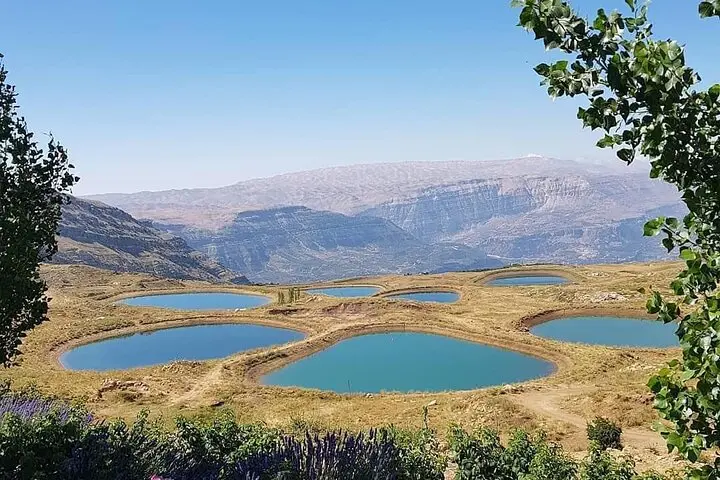
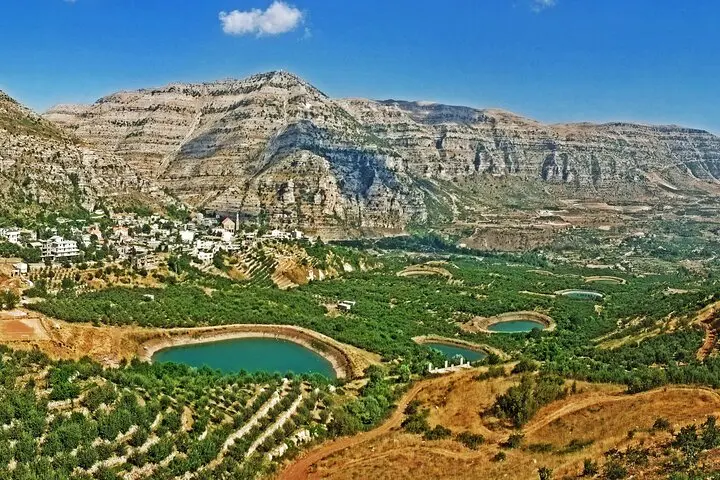
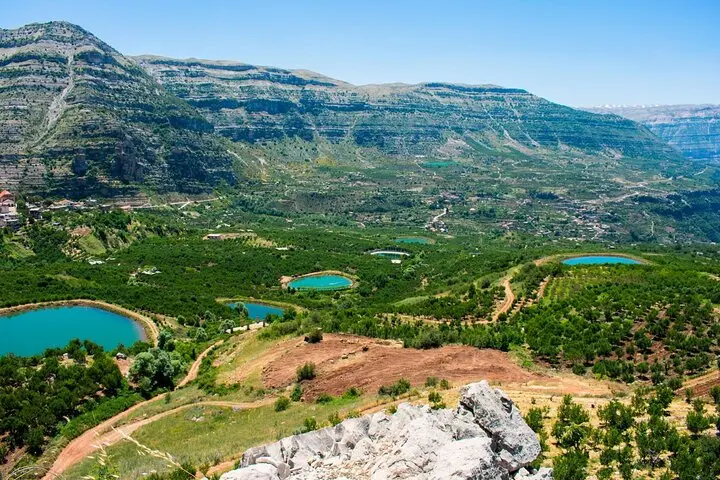
The bus eases out of Beirut and the city’s glass and concrete give way to rising limestone ridges. Within an hour the road snakes into villages where terraced fields step down toward a quiet mountain lake; Aaqoura’s surface mirrors the slopes and the air smells of pine and wet earth.
The bus eases out of Beirut and the city’s glass and concrete give way to rising limestone ridges. Within an hour the road snakes into villages where terraced fields step down toward a quiet mountain lake; Aaqoura’s surface mirrors the slopes and the air smells of pine and wet earth.
Further inland the landscape speaks in stone: Baatara Waterfall plunges through three natural limestone bridges, a karst cavern shaped over millennia where water dares gravity and the echoes magnify every drop. Geology here is obvious—limestone folded and carved by time—while human history is layered as well. Batroun, back on the Mediterranean, was a Phoenician harbor; its narrow alleys, old churches and seaside walls tell a story of trade and continuity along the Levantine coast.
Expect light walks at each stop, cathedral-like rock formations at the chasm, and coastal breeze in Batroun’s cafes. Guides usually include admissions to the main sites and handle logistics; small-group travel keeps the pace relaxed but efficient.
Practical tips: carry 1–2 liters of water, wear grippy shoes for wet limestone, and time the day to avoid noon heat in summer. Photography opportunities are abundant—use a wide lens at the chasm and a polarizer for the lake’s reflections.
This is a full-day, low-impact outing that pairs geology and coastal culture. Respect marked trails, pack out rubbish, and allow extra time in Batroun if you want to linger over seafood or explore the old harbor.