THE ADVENTURE COLLECTIVE® · Independent discovery and booking for outdoor travel

A seven-day circuit from Leh that pairs high-altitude drives—over Changla and Khardung La—with monastery visits and iconic lakes like Pangong. Expect long driving days, thin air, and vivid, uncompromising landscapes.
A seven-day circuit from Leh that pairs high-altitude drives—over Changla and Khardung La—with monastery visits and iconic lakes like Pangong. Expect long driving days, thin air, and vivid, uncompromising landscapes.
You step out of the thin-air hush at Leh airport and the wind immediately tests your lungs, carrying dust and a steady, cold clarity that makes the mountains look sharpened. Over seven days the landscape alternates between austere brown ridges, prayer-flag-strewn gompas, and the improbable cobalt of Pangong and Tso Moriri; the roads itself feels alive—Chang La and Khardung La daring vehicles and travelers alike to keep moving.
Verified experiences and guided adventures in the surrounding area.
Operated by Indian Travel Online · Leh, Ladakh
You step out of the thin-air hush at Leh airport and the wind immediately tests your lungs, carrying dust and a steady, cold clarity that makes the mountains look sharpened. Over seven days the landscape alternates between austere brown ridges, prayer-flag-strewn gompas, and the improbable cobalt of Pangong and Tso Moriri; the roads itself feels alive—Chang La and Khardung La daring vehicles and travelers alike to keep moving.
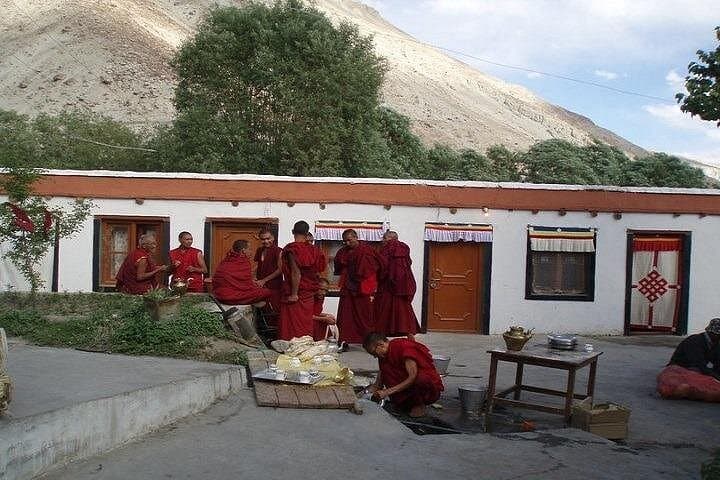
Geology here is visible history: uplifted strata, glacial valleys and wide, stony plains that mark the trans-Himalayan rain shadow. Ladakh’s culture is worn into monasteries like Thiksey and Hemis where butter lamps and age-old murals anchor a living Buddhist tradition tied to old Silk Road trade routes. Local communities in Leh and surrounding villages maintain pastoral rhythms—yak and goat herding, artisan workshops, and seasonal festivals.
Practically, this itinerary is sightseeing by private vehicle with short walks; the real challenge is altitude. Expect full travel days to Pangong (14,500 ft) and Khardung La (≈18,380 ft) with long drives over high passes. Acclimatize on arrival: rest the first 24 hours, hydrate, avoid alcohol and heavy exertion. Roads can be rough, weather changeable—sun can be intense and nights cold even in summer—so layer, carry sun protection, and bring a refillable water bottle and basic meds for altitude headaches. Permits for certain border-area lakes are commonly arranged by tour operators; carry cash for remote villages. The reward is immediate: stark vistas, centuries-old monasteries, and a landscape that pushes you to move slower and look harder.
Main season is June to September when passes are open and weather is milder; shoulder months can be colder and many roads may be closed in winter.
Some border-area lakes and valleys require Inner Line or protected-area permits; reputable operators typically arrange these before travel.
Altitude sickness is the primary health concern—plan at least 24 hours rest on arrival, ascend gradually, hydrate, and carry acetazolamide only if prescribed by a doctor.
This package includes 6 nights on double sharing with breakfast most days and several dinners; always confirm meals for specific days like the Pangong outing where packed lunches may be provided.
Indian Travel Online operates guided outdoor trips and adventures with an emphasis on safety, stewardship, and memorable experiences.

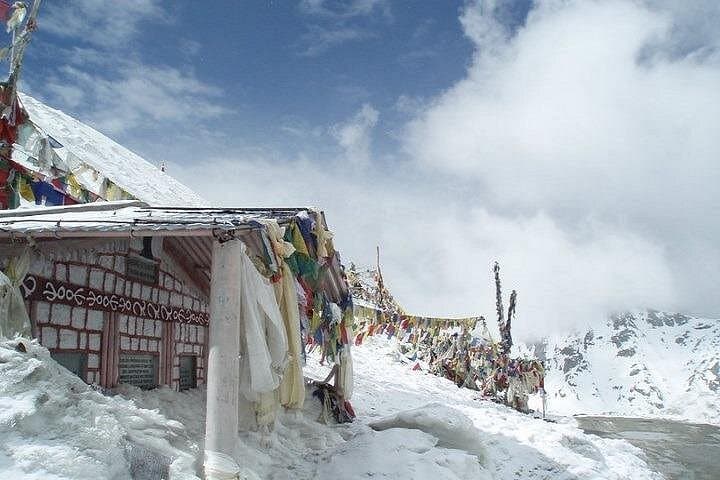

You step out of the thin-air hush at Leh airport and the wind immediately tests your lungs, carrying dust and a steady, cold clarity that makes the mountains look sharpened. Over seven days the landscape alternates between austere brown ridges, prayer-flag-strewn gompas, and the improbable cobalt of Pangong and Tso Moriri; the roads itself feels alive—Chang La and Khardung La daring vehicles and travelers alike to keep moving.
You step out of the thin-air hush at Leh airport and the wind immediately tests your lungs, carrying dust and a steady, cold clarity that makes the mountains look sharpened. Over seven days the landscape alternates between austere brown ridges, prayer-flag-strewn gompas, and the improbable cobalt of Pangong and Tso Moriri; the roads itself feels alive—Chang La and Khardung La daring vehicles and travelers alike to keep moving.
Geology here is visible history: uplifted strata, glacial valleys and wide, stony plains that mark the trans-Himalayan rain shadow. Ladakh’s culture is worn into monasteries like Thiksey and Hemis where butter lamps and age-old murals anchor a living Buddhist tradition tied to old Silk Road trade routes. Local communities in Leh and surrounding villages maintain pastoral rhythms—yak and goat herding, artisan workshops, and seasonal festivals.
Practically, this itinerary is sightseeing by private vehicle with short walks; the real challenge is altitude. Expect full travel days to Pangong (14,500 ft) and Khardung La (≈18,380 ft) with long drives over high passes. Acclimatize on arrival: rest the first 24 hours, hydrate, avoid alcohol and heavy exertion. Roads can be rough, weather changeable—sun can be intense and nights cold even in summer—so layer, carry sun protection, and bring a refillable water bottle and basic meds for altitude headaches. Permits for certain border-area lakes are commonly arranged by tour operators; carry cash for remote villages. The reward is immediate: stark vistas, centuries-old monasteries, and a landscape that pushes you to move slower and look harder.