THE ADVENTURE COLLECTIVE® · Independent discovery and booking for outdoor travel

An 11‑day road circuit from Delhi that threads the highest motorable passes of Ladakh — Khardung La, Chang La — and visits Nubra Valley, Pangong Lake and historic monasteries. Expect long drives, altitude swings and a mix of hotels and camps.
An 11‑day road circuit from Delhi that threads the highest motorable passes of Ladakh — Khardung La, Chang La — and visits Nubra Valley, Pangong Lake and historic monasteries. Expect long drives, altitude swings and a mix of hotels and camps.
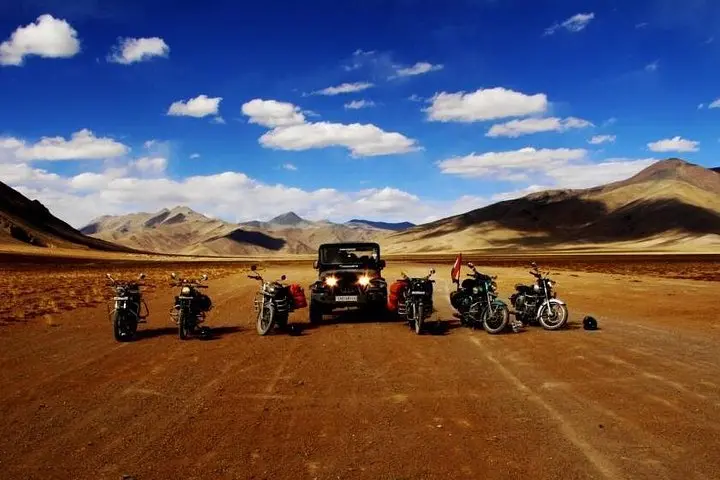
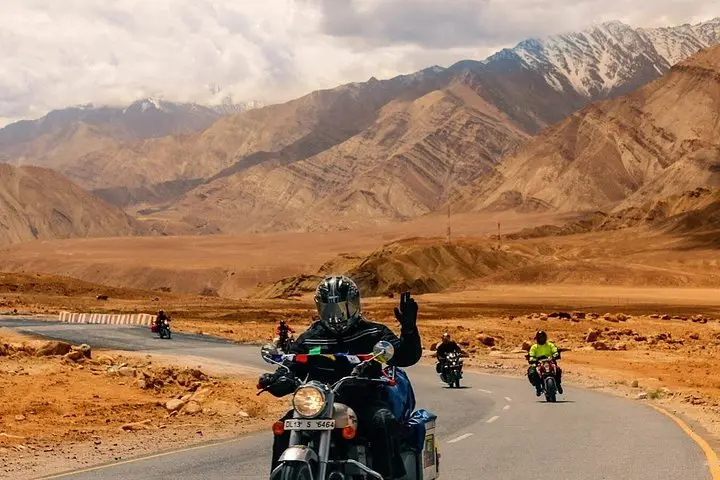
The road climbs out of the plains and the air thins; a ribbon of asphalt threads through stark, wind-polished ridges as you head north toward Leh. Early mornings bring frost on tents and a raw light that makes the glaciers and salt lakes look edged in silver. Engines and coffee become ritual — and patience is a practical virtue on this high-altitude circuit.
Verified experiences and guided adventures in the surrounding area.
Operated by Vagabond Holidays · Leh, Ladakh
The road climbs out of the plains and the air thins; a ribbon of asphalt threads through stark, wind-polished ridges as you head north toward Leh. Early mornings bring frost on tents and a raw light that makes the glaciers and salt lakes look edged in silver. Engines and coffee become ritual — and patience is a practical virtue on this high-altitude circuit.
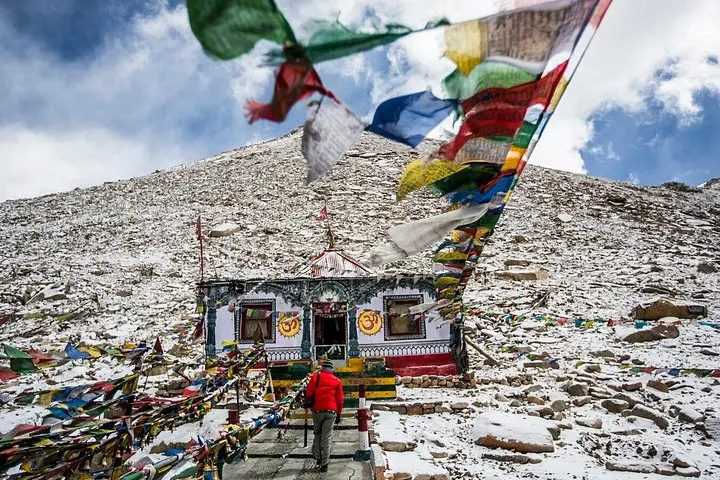
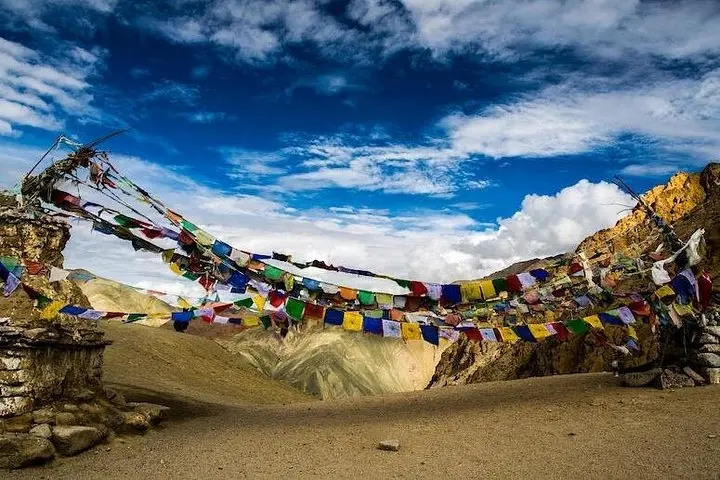
Geology here is blunt and monumental: the Trans-Himalaya’s bare slopes, high motorable passes such as Khardung La (≈18,380 ft) and Chang La, and endorheic basins that feed lakes like Pangong and the Nubra sands. Culturally, Ladakh is Tibetan-Buddhist country — monasteries like Lamayuru and Thiksey are active centers of ritual and local life, their gompas perched above river valleys that once channeled ancient trade.
Expect long driving days (this itinerary runs about 10–11 days, Delhi round trip), sharp altitude swings, and a mix of hotel, homestay and tented camping nights. Acclimatization matters: plan a rest day in Leh, drink frequently, and move deliberately; organisers often carry oxygen for emergencies. Roads vary from excellent tarmac to corrugated gravel; weather can switch fast — sun-drenched afternoons give way to freezing nights.
Practical tips: travel light but include warm, layered clothing, sun protection and a reliable water bottle. Carry copies of permits and ID (foreign visitors need Protected Area Permits in parts of Ladakh). Respect fragile water sources and local customs at monasteries. The payoff is elemental: wide blue lakes that change color by the hour, ridgelines that dare you to stop and look, and a pace that replaces speed with presence.
Yes — Indian nationals may require Inner Line Permits for restricted zones; foreign nationals need Protected Area Permits for places like Nubra and Pangong. Organizers typically help arrange these.
Altitude illness can occur even in healthy travelers; plan an acclimatization day in Leh, hydrate, avoid alcohol, and seek medical help if symptoms worsen — organised trips often provide oxygen.
Late May through September is the primary season when high passes are open and camps are accessible; shoulder months see colder nights and possible road closures.
Much of the circuit is on paved highways but several stretches are rough, corrugated, or under repair; reputable operators use high-clearance SUVs and experienced drivers.
Vagabond Holidays operates guided outdoor trips and adventures with an emphasis on safety, stewardship, and memorable experiences.
The road climbs out of the plains and the air thins; a ribbon of asphalt threads through stark, wind-polished ridges as you head north toward Leh. Early mornings bring frost on tents and a raw light that makes the glaciers and salt lakes look edged in silver. Engines and coffee become ritual — and patience is a practical virtue on this high-altitude circuit.
The road climbs out of the plains and the air thins; a ribbon of asphalt threads through stark, wind-polished ridges as you head north toward Leh. Early mornings bring frost on tents and a raw light that makes the glaciers and salt lakes look edged in silver. Engines and coffee become ritual — and patience is a practical virtue on this high-altitude circuit.
Geology here is blunt and monumental: the Trans-Himalaya’s bare slopes, high motorable passes such as Khardung La (≈18,380 ft) and Chang La, and endorheic basins that feed lakes like Pangong and the Nubra sands. Culturally, Ladakh is Tibetan-Buddhist country — monasteries like Lamayuru and Thiksey are active centers of ritual and local life, their gompas perched above river valleys that once channeled ancient trade.
Expect long driving days (this itinerary runs about 10–11 days, Delhi round trip), sharp altitude swings, and a mix of hotel, homestay and tented camping nights. Acclimatization matters: plan a rest day in Leh, drink frequently, and move deliberately; organisers often carry oxygen for emergencies. Roads vary from excellent tarmac to corrugated gravel; weather can switch fast — sun-drenched afternoons give way to freezing nights.
Practical tips: travel light but include warm, layered clothing, sun protection and a reliable water bottle. Carry copies of permits and ID (foreign visitors need Protected Area Permits in parts of Ladakh). Respect fragile water sources and local customs at monasteries. The payoff is elemental: wide blue lakes that change color by the hour, ridgelines that dare you to stop and look, and a pace that replaces speed with presence.