THE ADVENTURE COLLECTIVE® · Independent discovery and booking for outdoor travel

A high-altitude overnight from Leh to Pangong Tso that pairs a scenic drive over Chang La with an evening on the lake’s shore. Expect thin air, dramatic color shifts on the water, and rustic camps or guesthouses for a compact Himalayan immersion.
A high-altitude overnight from Leh to Pangong Tso that pairs a scenic drive over Chang La with an evening on the lake’s shore. Expect thin air, dramatic color shifts on the water, and rustic camps or guesthouses for a compact Himalayan immersion.
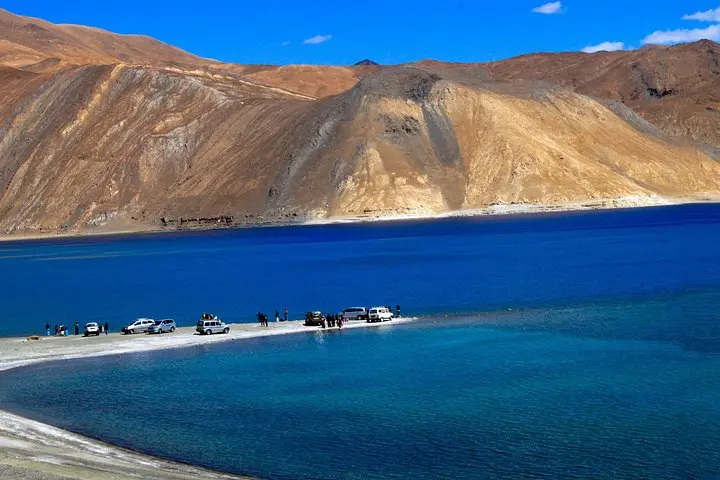
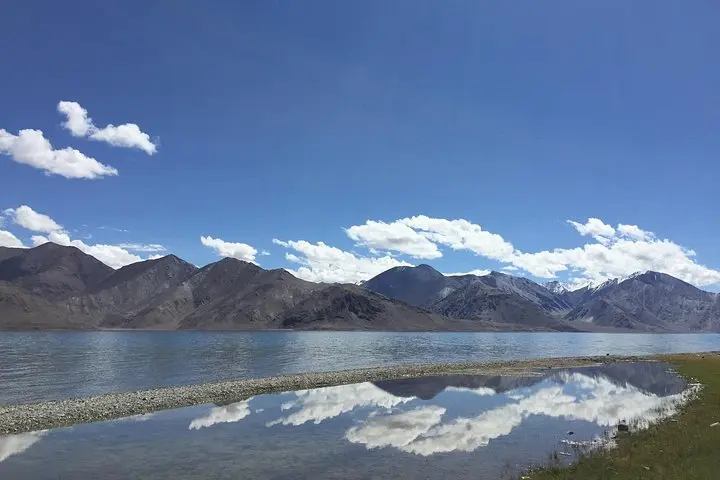
The road to Pangong Tso opens like a changing film—scree slopes and ochre ridgelines give way to a glassy sheet of blue that seems to breathe with the wind. You cross Chang La, one of the world’s highest motorable passes, feel the thin air tighten around each step, then descend into a landscape where the lake’s color shifts from steel to turquoise depending on the light.
Verified experiences and guided adventures in the surrounding area.
Operated by Agora Voyages Pvt. Ltd. · Pangong Tso (nearest base: Leh), Ladakh
The road to Pangong Tso opens like a changing film—scree slopes and ochre ridgelines give way to a glassy sheet of blue that seems to breathe with the wind. You cross Chang La, one of the world’s highest motorable passes, feel the thin air tighten around each step, then descend into a landscape where the lake’s color shifts from steel to turquoise depending on the light.
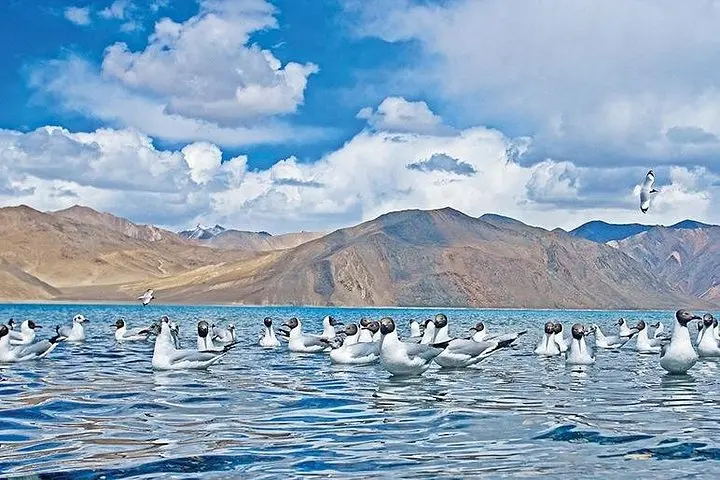
Geologically Pangong is a high-altitude saline lake on the Tibetan Plateau, chiseled by tectonics and held in a basin that freezes in winter. Culturally this shoreline is shaped by Himalayan pastoral life—small villages, yaks, and a fluency in Ladakhi and Tibetan traditions. Birdlife is a highlight: migratory waterfowl and hardy endemic species punctuate the shoreline, while Tibetan marmots and scrub foxes make the scree alive with movement.
The overnight format trades luxury for presence: evening light is long, nights are cold and clear, and facilities range from simple guesthouses to insulated camps. Practicalities matter—acclimatize in Leh for 24–48 hours, carry permits if required, and be ready for unpaved sections and sudden weather shifts. Hydrate before you go; pace uphill walks; plan charge and toilet breaks—services are limited.
Timing the visit for midday light at the lake yields the best color; sunrise and sunset reward those who layer up for pre-dawn cold. Respect local customs, pack out trash, and give wildlife wide berth. This short overnight is compact but elemental: a transportive stretch of Himalayan sky, salt-stitched water, and a night spent under a very large northern sky.
Indian and international visitors typically require an Inner Line Permit for certain areas beyond Leh—check current local regulations and have ID ready; tour operators frequently handle permits.
The route is about 150 km and usually takes around 4–5 hours one-way, but allow extra time for stops, road conditions, and altitude-related slowdowns.
Camping is common and generally safe when done with reputable operators; expect basic facilities, cold nights, and limited medical services—acclimatization and prudent planning are essential.
Late May to September offers the most stable road access and milder temperatures; winter roads may be closed and the lake freezes over.
Agora Voyages Pvt. Ltd. operates guided outdoor trips and adventures with an emphasis on safety, stewardship, and memorable experiences.
The road to Pangong Tso opens like a changing film—scree slopes and ochre ridgelines give way to a glassy sheet of blue that seems to breathe with the wind. You cross Chang La, one of the world’s highest motorable passes, feel the thin air tighten around each step, then descend into a landscape where the lake’s color shifts from steel to turquoise depending on the light.
The road to Pangong Tso opens like a changing film—scree slopes and ochre ridgelines give way to a glassy sheet of blue that seems to breathe with the wind. You cross Chang La, one of the world’s highest motorable passes, feel the thin air tighten around each step, then descend into a landscape where the lake’s color shifts from steel to turquoise depending on the light.
Geologically Pangong is a high-altitude saline lake on the Tibetan Plateau, chiseled by tectonics and held in a basin that freezes in winter. Culturally this shoreline is shaped by Himalayan pastoral life—small villages, yaks, and a fluency in Ladakhi and Tibetan traditions. Birdlife is a highlight: migratory waterfowl and hardy endemic species punctuate the shoreline, while Tibetan marmots and scrub foxes make the scree alive with movement.
The overnight format trades luxury for presence: evening light is long, nights are cold and clear, and facilities range from simple guesthouses to insulated camps. Practicalities matter—acclimatize in Leh for 24–48 hours, carry permits if required, and be ready for unpaved sections and sudden weather shifts. Hydrate before you go; pace uphill walks; plan charge and toilet breaks—services are limited.
Timing the visit for midday light at the lake yields the best color; sunrise and sunset reward those who layer up for pre-dawn cold. Respect local customs, pack out trash, and give wildlife wide berth. This short overnight is compact but elemental: a transportive stretch of Himalayan sky, salt-stitched water, and a night spent under a very large northern sky.