THE ADVENTURE COLLECTIVE® · Independent discovery and booking for outdoor travel

A private 6–7 day trek along the Lemosho Route climbs from Londorossi Gate across the Shira Plateau to Uhuru Peak. This gradual, scenic route offers superior acclimatization, varied terrain, and higher summit success—perfect for trekkers seeking a measured ascent of Kilimanjaro.
A private 6–7 day trek along the Lemosho Route climbs from Londorossi Gate across the Shira Plateau to Uhuru Peak. This gradual, scenic route offers superior acclimatization, varied terrain, and higher summit success—perfect for trekkers seeking a measured ascent of Kilimanjaro.
You push past the last band of moss and the forest opens onto a high, wind-swept plateau: Shira stretches ahead, broad and volcanic under a sky that tests your breath. The trail from Londorossi Gate eases you through Afromontane rainforest, then through heather and giant lobelias, and finally into the barren, stony world that guards Kibo. Each campsite—Moir, Barranco, Karanga, Barafu—has its own personality: a cool, bird-thick forest; a moonscape of lichen and rock; a narrow valley that requires hands-on scrambling; a cold, exposed staging ground for the summit push.
Verified experiences and guided adventures in the surrounding area.
Operated by Kanje grand tours · Moshi, Kilimanjaro Region
You push past the last band of moss and the forest opens onto a high, wind-swept plateau: Shira stretches ahead, broad and volcanic under a sky that tests your breath. The trail from Londorossi Gate eases you through Afromontane rainforest, then through heather and giant lobelias, and finally into the barren, stony world that guards Kibo. Each campsite—Moir, Barranco, Karanga, Barafu—has its own personality: a cool, bird-thick forest; a moonscape of lichen and rock; a narrow valley that requires hands-on scrambling; a cold, exposed staging ground for the summit push.
Lemosho’s west-side approach follows old volcanic flows from a collapsed peak onto the Shira Plateau, offering some of Kilimanjaro’s clearest lines of sight to Kibo and Mawenzi. The route has a long history as an alternative to crowded paths; its gradual profile improves acclimatization and raises summit success rates. Culturally, guide crews are drawn from nearby villages—porters and cooks who carry local knowledge and stories uphill.
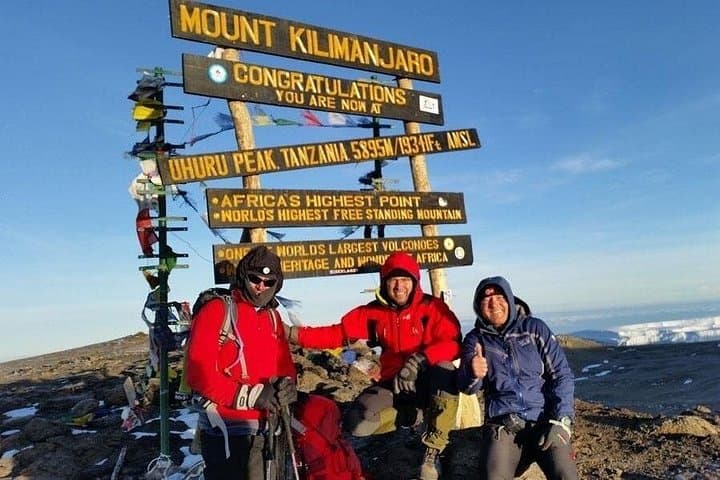
Practically: expect 6–7 days, starting with a 4-hour drive from Moshi to Londorossi. Elevations range from roughly 1,900 m at the park edge (forest camp) up to Uhuru Peak at 5,895 m (19,341 ft). Terrain shifts from muddy, rooty trails to scree and rocky ledges; the final summit section departs just before midnight for a dawn arrival at Stella Point and Uhuru.
Bring layered clothing for temperature swings, a 4-season sleeping bag, sturdy boots, and plan meals and pace around acclimatization. Hydrate constantly, signal symptoms early, and allow your crew’s rhythm to set the pace—Kilimanjaro rewards patience and steady steps.
No ropes or technical climbing equipment are required on the Lemosho Route; this is a high-altitude trek, not a technical climb.
Lemosho has one of the higher success rates due to gradual acclimatization, but summit success depends on fitness, acclimatization response, weather, and adherence to your guide’s advice.
Camping meals (breakfast, lunch, dinner) are included each day; nights are spent in managed camps with crew-supported tents and communal dining tents.
Dry months (January–March, June–October) offer more stable weather and higher summit odds; shoulder seasons can be quieter but wetter.
Kanje grand tours operates guided outdoor trips and adventures with an emphasis on safety, stewardship, and memorable experiences.
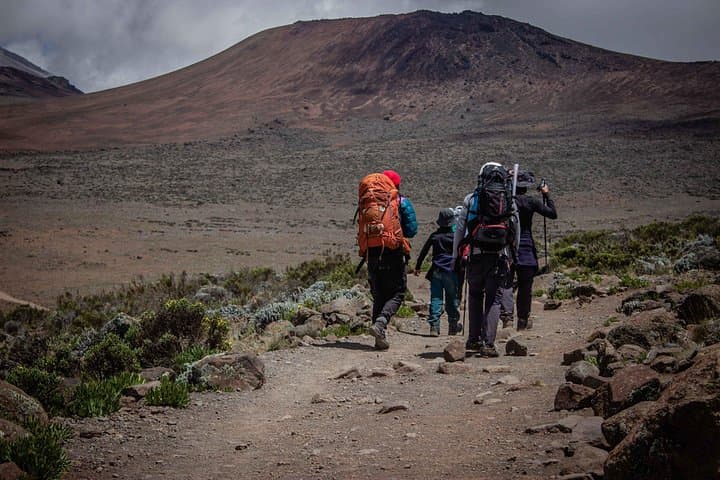
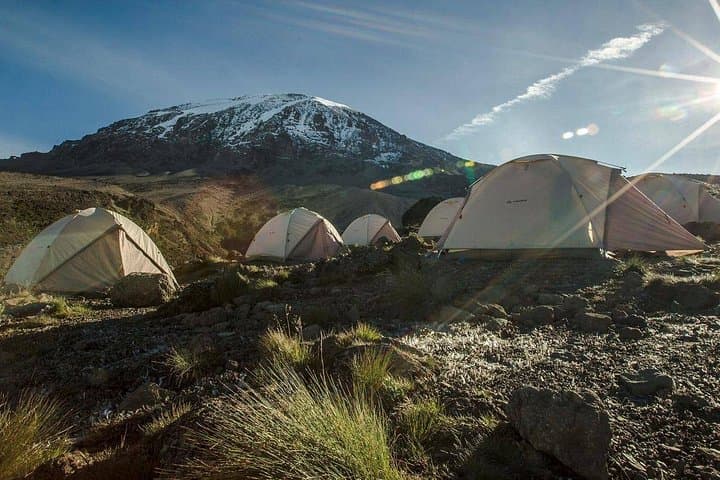
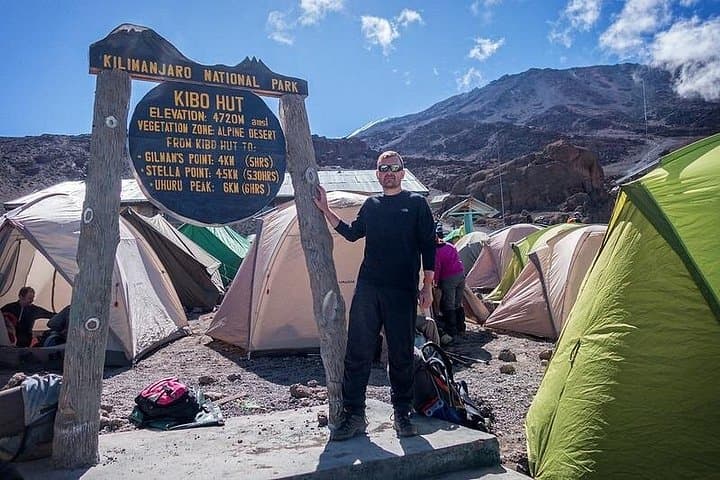
You push past the last band of moss and the forest opens onto a high, wind-swept plateau: Shira stretches ahead, broad and volcanic under a sky that tests your breath. The trail from Londorossi Gate eases you through Afromontane rainforest, then through heather and giant lobelias, and finally into the barren, stony world that guards Kibo. Each campsite—Moir, Barranco, Karanga, Barafu—has its own personality: a cool, bird-thick forest; a moonscape of lichen and rock; a narrow valley that requires hands-on scrambling; a cold, exposed staging ground for the summit push.
You push past the last band of moss and the forest opens onto a high, wind-swept plateau: Shira stretches ahead, broad and volcanic under a sky that tests your breath. The trail from Londorossi Gate eases you through Afromontane rainforest, then through heather and giant lobelias, and finally into the barren, stony world that guards Kibo. Each campsite—Moir, Barranco, Karanga, Barafu—has its own personality: a cool, bird-thick forest; a moonscape of lichen and rock; a narrow valley that requires hands-on scrambling; a cold, exposed staging ground for the summit push.
Lemosho’s west-side approach follows old volcanic flows from a collapsed peak onto the Shira Plateau, offering some of Kilimanjaro’s clearest lines of sight to Kibo and Mawenzi. The route has a long history as an alternative to crowded paths; its gradual profile improves acclimatization and raises summit success rates. Culturally, guide crews are drawn from nearby villages—porters and cooks who carry local knowledge and stories uphill.
Practically: expect 6–7 days, starting with a 4-hour drive from Moshi to Londorossi. Elevations range from roughly 1,900 m at the park edge (forest camp) up to Uhuru Peak at 5,895 m (19,341 ft). Terrain shifts from muddy, rooty trails to scree and rocky ledges; the final summit section departs just before midnight for a dawn arrival at Stella Point and Uhuru.
Bring layered clothing for temperature swings, a 4-season sleeping bag, sturdy boots, and plan meals and pace around acclimatization. Hydrate constantly, signal symptoms early, and allow your crew’s rhythm to set the pace—Kilimanjaro rewards patience and steady steps.