THE ADVENTURE COLLECTIVE® · Independent discovery and booking for outdoor travel

The Lemosho Route is an 8-day, acclimatization-focused climb of Mount Kilimanjaro that trades speed for a higher summit success rate. Expect rainforest, moorland, alpine desert, and a midnight summit push to Uhuru Peak at 5,895 m.
The Lemosho Route is an 8-day, acclimatization-focused climb of Mount Kilimanjaro that trades speed for a higher summit success rate. Expect rainforest, moorland, alpine desert, and a midnight summit push to Uhuru Peak at 5,895 m.
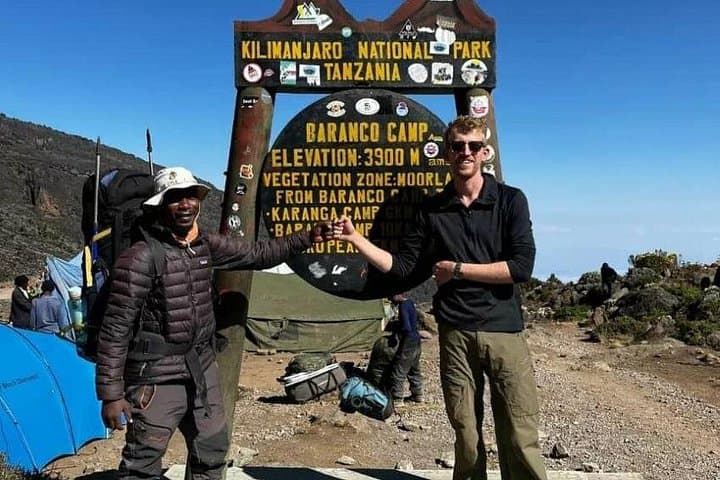
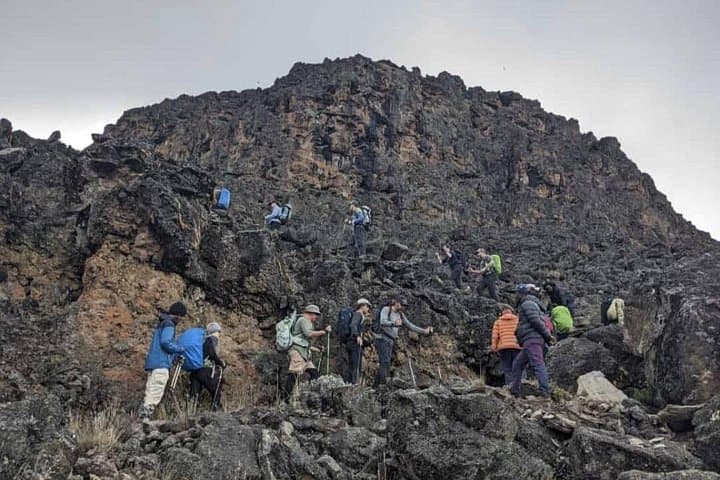
The thin air tastes like metal at 5:00 a.m. and headlamps carve slow tunnels through the night as a column of climbers threads its way from Barafu Camp toward Stella Point. On the Lemosho Route, each step is deliberate: the trail alternates between soft volcanic scree that shifts beneath your boots and packed dirt that keeps you honest. By the time the sun cracks the horizon over the crater rim, Uhuru Peak—Africa’s highest point at 5,895 meters—dominates the sky with a quiet, uncompromising presence.
Verified experiences and guided adventures in the surrounding area.
Operated by Macpace Tours and Safaris · Moshi, Kilimanjaro Region
The thin air tastes like metal at 5:00 a.m. and headlamps carve slow tunnels through the night as a column of climbers threads its way from Barafu Camp toward Stella Point. On the Lemosho Route, each step is deliberate: the trail alternates between soft volcanic scree that shifts beneath your boots and packed dirt that keeps you honest. By the time the sun cracks the horizon over the crater rim, Uhuru Peak—Africa’s highest point at 5,895 meters—dominates the sky with a quiet, uncompromising presence.
The Lemosho Route approaches Kilimanjaro from the mountain’s western flank, giving climbers a longer, gentler acclimatization profile than classic routes. You’ll climb through clearly defined vegetation zones: the rainforest (2,100–2,800 m) where moss-draped trees dare you to slow down; heath and moorland (2,800–3,800 m) with giant lobelias punctuating the plateau; the alpine desert above 4,000 m, an open, wind-sculpted world; and finally the arctic summit where ice and stone hold court.
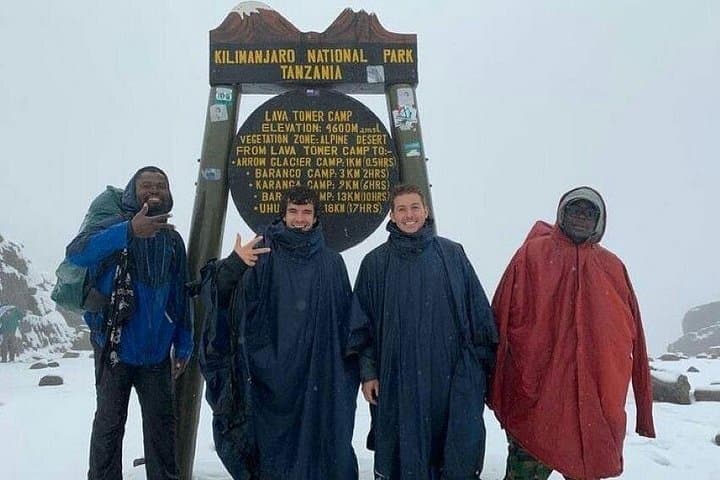
Geologically, Kilimanjaro is a dormant stratovolcano composed of three cones; the Lemosho approach sweeps you across the Shira Plateau and around remnants of volcanic activity like the Lava Tower (about 4,600 m). Culturally, the mountain sits in the Kilimanjaro Region, watched over by local Chagga communities who’ve long guided and conserved its slopes. Modern treks are staged from Moshi, the regional hub where your guides and porters—employed by reputable operators—handle logistics, food, and camp setup.
Practically, the eight-day itinerary trades speed for success: average daily hikes range 3–9 hours spread over 70–80 km total, with cumulative elevation gain near 3,700–3,800 m from Lemosho Gate to Uhuru. Summit night begins around 23:00 with a 6–8 hour push to Stella Point and the final rim, followed by a long descent to Mweka Camp and down to Mweka Gate the next day.
Expect waterproof four-season tents and meals provided; guides carry emergency oxygen and are trained in altitude illness recognition, but acclimatization remains your responsibility. Hydration, steady pacing, and listening to your body are non-negotiable. Waterproof boots with stiff soles, layered clothing for wide temperature swings, a reliable headlamp for summit night, and trekking poles to save knees in loose scree will make the difference between a tough memory and a triumphant one.
The Lemosho Route rewards patience: panoramic plateaus, sudden cliffside views of the Western Breach, and a summit sunrise that redefines effort-reward math. Climbers come for the peak and stay for the way the mountain forces a slower, more attentive gait—each step a small negotiation with altitude, weather, and the mountain’s steady will.
Lemosho is considered one of the more gradual routes due to its longer acclimatization profile, improving summit odds while requiring similar overall endurance.
No ropes or crampons are required for the standard Lemosho 8-day route—this is non-technical high-altitude trekking, though sturdy boots and warm clothing are essential.
The main windows are January–March and June–October when conditions are drier and summit weather is more stable; shoulder months are more unpredictable.
Yes—operators provide porters for camping gear and most personal items; you should carry a daypack with water, snacks, and summit layers.
Altitude sickness is a real risk; the 8-day itinerary reduces risk through slower ascent and acclimatization days, but symptoms can still occur—communicate with guides immediately if you feel unwell.
This tour uses quality four-season tents and mess tents on a twin-sharing basis; sleeping mattresses are typically provided by the operator.
Macpace Tours and Safaris operates guided outdoor trips and adventures with an emphasis on safety, stewardship, and memorable experiences.

The thin air tastes like metal at 5:00 a.m. and headlamps carve slow tunnels through the night as a column of climbers threads its way from Barafu Camp toward Stella Point. On the Lemosho Route, each step is deliberate: the trail alternates between soft volcanic scree that shifts beneath your boots and packed dirt that keeps you honest. By the time the sun cracks the horizon over the crater rim, Uhuru Peak—Africa’s highest point at 5,895 meters—dominates the sky with a quiet, uncompromising presence.
The thin air tastes like metal at 5:00 a.m. and headlamps carve slow tunnels through the night as a column of climbers threads its way from Barafu Camp toward Stella Point. On the Lemosho Route, each step is deliberate: the trail alternates between soft volcanic scree that shifts beneath your boots and packed dirt that keeps you honest. By the time the sun cracks the horizon over the crater rim, Uhuru Peak—Africa’s highest point at 5,895 meters—dominates the sky with a quiet, uncompromising presence.
The Lemosho Route approaches Kilimanjaro from the mountain’s western flank, giving climbers a longer, gentler acclimatization profile than classic routes. You’ll climb through clearly defined vegetation zones: the rainforest (2,100–2,800 m) where moss-draped trees dare you to slow down; heath and moorland (2,800–3,800 m) with giant lobelias punctuating the plateau; the alpine desert above 4,000 m, an open, wind-sculpted world; and finally the arctic summit where ice and stone hold court.
Geologically, Kilimanjaro is a dormant stratovolcano composed of three cones; the Lemosho approach sweeps you across the Shira Plateau and around remnants of volcanic activity like the Lava Tower (about 4,600 m). Culturally, the mountain sits in the Kilimanjaro Region, watched over by local Chagga communities who’ve long guided and conserved its slopes. Modern treks are staged from Moshi, the regional hub where your guides and porters—employed by reputable operators—handle logistics, food, and camp setup.
Practically, the eight-day itinerary trades speed for success: average daily hikes range 3–9 hours spread over 70–80 km total, with cumulative elevation gain near 3,700–3,800 m from Lemosho Gate to Uhuru. Summit night begins around 23:00 with a 6–8 hour push to Stella Point and the final rim, followed by a long descent to Mweka Camp and down to Mweka Gate the next day.
Expect waterproof four-season tents and meals provided; guides carry emergency oxygen and are trained in altitude illness recognition, but acclimatization remains your responsibility. Hydration, steady pacing, and listening to your body are non-negotiable. Waterproof boots with stiff soles, layered clothing for wide temperature swings, a reliable headlamp for summit night, and trekking poles to save knees in loose scree will make the difference between a tough memory and a triumphant one.
The Lemosho Route rewards patience: panoramic plateaus, sudden cliffside views of the Western Breach, and a summit sunrise that redefines effort-reward math. Climbers come for the peak and stay for the way the mountain forces a slower, more attentive gait—each step a small negotiation with altitude, weather, and the mountain’s steady will.