THE ADVENTURE COLLECTIVE® · Independent discovery and booking for outdoor travel

An eight‑day trek up Mount Kilimanjaro via the Lemosho Route offers quieter trails, better acclimatization and sweeping views from the Shira Plateau to Uhuru Peak. This guide covers terrain, timing, and practical prep for a successful summit push.
An eight‑day trek up Mount Kilimanjaro via the Lemosho Route offers quieter trails, better acclimatization and sweeping views from the Shira Plateau to Uhuru Peak. This guide covers terrain, timing, and practical prep for a successful summit push.
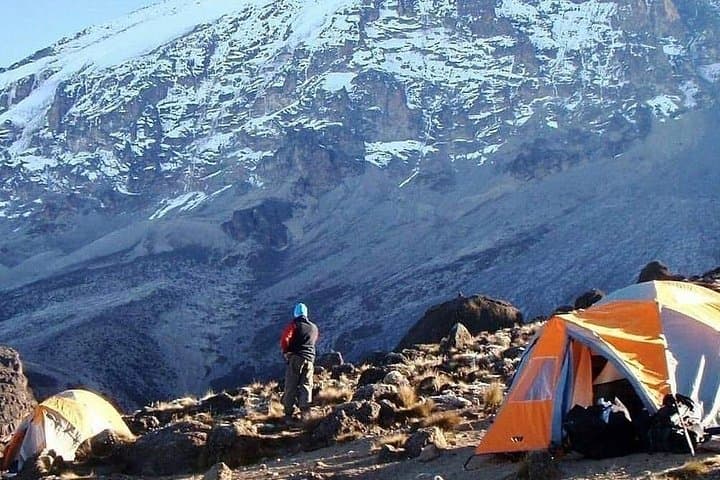
You step out of the vehicle at Londorossi Gate and the forest swallows the sound of the road; damp soil grips your boots and the air tastes green. The Lemosho Route begins as a slow ascent through montane forest, then opens onto the Shira Plateau where wind and sky carve a different rhythm. Over eight days you move through moorland, alpine desert and the scree fields beneath Kibo, each zone altering the mountain’s voice.
Verified experiences and guided adventures in the surrounding area.
Operated by Gifted African Adventures · Moshi, Kilimanjaro Region
You step out of the vehicle at Londorossi Gate and the forest swallows the sound of the road; damp soil grips your boots and the air tastes green. The Lemosho Route begins as a slow ascent through montane forest, then opens onto the Shira Plateau where wind and sky carve a different rhythm. Over eight days you move through moorland, alpine desert and the scree fields beneath Kibo, each zone altering the mountain’s voice.
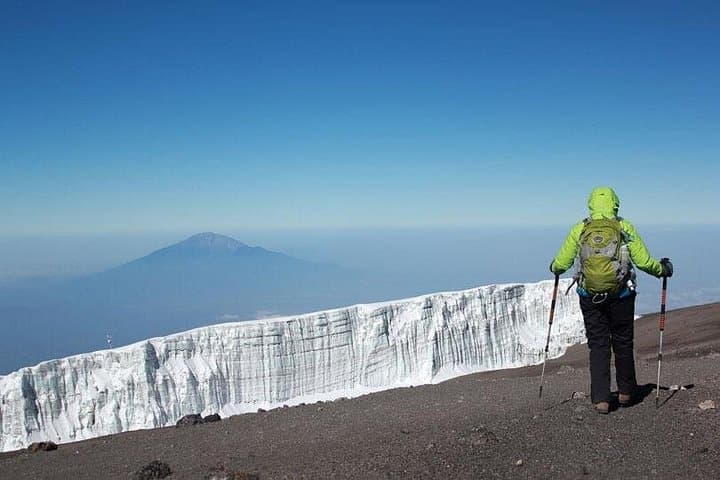
Kilimanjaro’s peak, Uhuru, reaches 5,895 m (19,341 ft). The route traces routes first mapped by early explorers and long traversed by the Chagga people who live on the mountain’s slopes. Geologically, Kilimanjaro is a stratovolcano with three cones—Kibo, Mawenzi and Shira—whose glaciers are rapidly receding, a visible marker of climate change. Culturally the climb brushes local villages and tea farms near Moshi and Arusha, while higher on the western approach you may spot elephants and antelope grazing the lower moor.
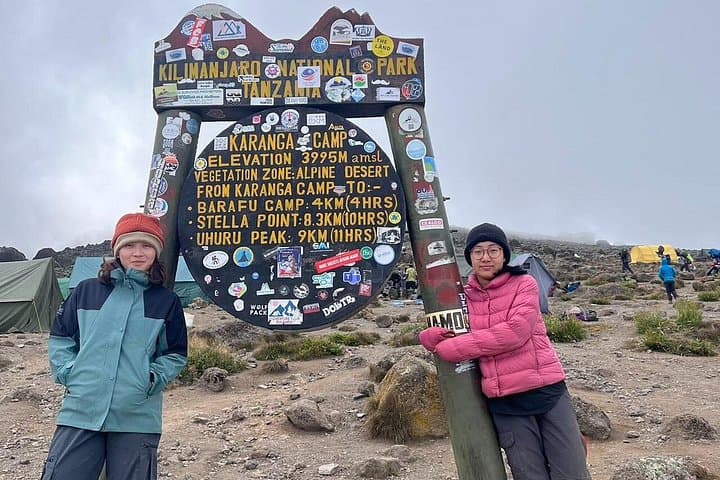
Practically, the Lemosho eight‑day itinerary favors gradual acclimatization: expect daily hikes of 4–6 hours on most days, a summit push that begins after midnight, and a final descent to Mweka Gate. Camps are four‑season tents; porters and guides handle logistics but bring technical warm layers for summit night, gaiters for scree, and a sleeping bag rated to -10°C or lower. Hydrate steadily, pace conservatively on the Barranco Wall and Karanga pitches, and respect park rules: permits and park fees are mandatory. With measured effort and good gear, the western sky over Stella Point delivers one of Africa’s most memorable sunrises.
No; the Lemosho Route is a non‑technical trek. You need high‑altitude trekking experience and good fitness, but no rope or ice‑axe skills are required.
The clearest windows are late June–October and late December–February; these periods have lower rainfall and more stable weather for summit attempts.
Permits and park fees are mandatory and typically included in full‑service packages; always confirm with your operator before booking.
AMS can affect anyone; the 8‑day Lemosho profile improves acclimatization and success rates, but travelers should monitor symptoms and follow guide instructions.
Gifted African Adventures operates guided outdoor trips and adventures with an emphasis on safety, stewardship, and memorable experiences.

You step out of the vehicle at Londorossi Gate and the forest swallows the sound of the road; damp soil grips your boots and the air tastes green. The Lemosho Route begins as a slow ascent through montane forest, then opens onto the Shira Plateau where wind and sky carve a different rhythm. Over eight days you move through moorland, alpine desert and the scree fields beneath Kibo, each zone altering the mountain’s voice.
You step out of the vehicle at Londorossi Gate and the forest swallows the sound of the road; damp soil grips your boots and the air tastes green. The Lemosho Route begins as a slow ascent through montane forest, then opens onto the Shira Plateau where wind and sky carve a different rhythm. Over eight days you move through moorland, alpine desert and the scree fields beneath Kibo, each zone altering the mountain’s voice.
Kilimanjaro’s peak, Uhuru, reaches 5,895 m (19,341 ft). The route traces routes first mapped by early explorers and long traversed by the Chagga people who live on the mountain’s slopes. Geologically, Kilimanjaro is a stratovolcano with three cones—Kibo, Mawenzi and Shira—whose glaciers are rapidly receding, a visible marker of climate change. Culturally the climb brushes local villages and tea farms near Moshi and Arusha, while higher on the western approach you may spot elephants and antelope grazing the lower moor.
Practically, the Lemosho eight‑day itinerary favors gradual acclimatization: expect daily hikes of 4–6 hours on most days, a summit push that begins after midnight, and a final descent to Mweka Gate. Camps are four‑season tents; porters and guides handle logistics but bring technical warm layers for summit night, gaiters for scree, and a sleeping bag rated to -10°C or lower. Hydrate steadily, pace conservatively on the Barranco Wall and Karanga pitches, and respect park rules: permits and park fees are mandatory. With measured effort and good gear, the western sky over Stella Point delivers one of Africa’s most memorable sunrises.