
Lemosho Route 8-Day Kilimanjaro Trek: Shira Plateau to Uhuru Peak
Follow the quieter western flank of Kilimanjaro on the Lemosho Route: an 8-day, high-success itinerary that moves from rainforest to the Shira Plateau and ultimately the night ascent to Uhuru Peak. Built-in acclimatization days and expert guides make this route a top choice for summit seekers.
An Adventure In Moshi.
Follow the quieter western flank of Kilimanjaro on the Lemosho Route: an 8-day, high-success itinerary that moves from rainforest to the Shira Plateau and ultimately the night ascent to Uhuru Peak. Built-in acclimatization days and expert guides make this route a top choice for summit seekers.
Read the full experience
Dawn in the rainforest can feel like a secret: damp leaves drip onto a single track, birds score sharp calls through tall moss-draped trunks, and the trail slopes away toward a dome of cloud that is, slowly, Kilimanjaro. The Lemosho Route begins on the western flank, at Londorossi Gate (2,250 m), with a gradual climb that teases the mountain’s moods—from humid montane forest to wind-swept alpine plains—before the final, thin-air push to Uhuru Peak (5,895 m).
Dawn in the rainforest can feel like a secret: damp leaves drip onto a single track, birds score sharp calls through tall moss-draped trunks, and the trail slopes away toward a dome of cloud that is, slowly, Kilimanjaro. The Lemosho Route begins on the western flank, at Londorossi Gate (2,250 m), with a gradual climb that teases the mountain’s moods—from humid montane forest to wind-swept alpine plains—before the final, thin-air push to Uhuru Peak (5,895 m).
The Lemosho route is both scenic and strategic. Geologically Kilimanjaro is a dormant stratovolcano with three volcanic cones—Kibo, Mawenzi and Shira. Hikers cross the Shira Plateau, an ancient caldera remnant that unwinds into high-altitude desert and then into the jagged teeth of Kibo’s ice fields. Historically the slopes are home to the Chagga, whose terraces and irrigation systems shaped life in the shadow of the mountain; Moshi, the nearest town, still acts as the supply hub and cultural gateway for expeditions.
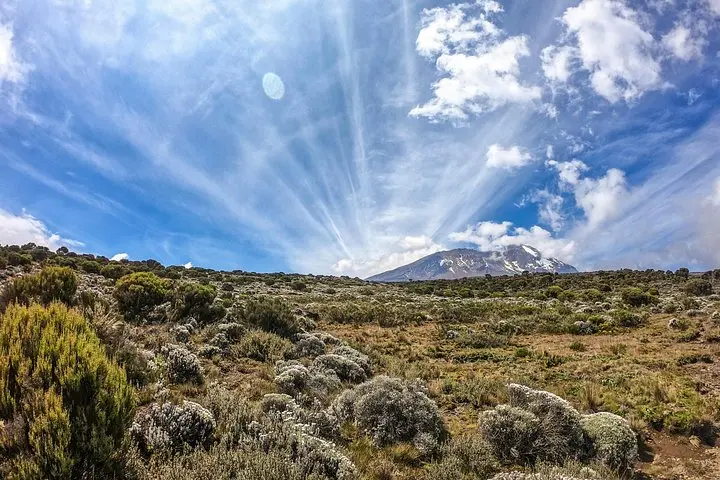
On the trail the landscape feels animate: the rainforest seems to pull hikers forward while the plateau stretches out and dares them to slow down for the view. Highlights are clear—Shira Camp at roughly 3,500–3,850 m offers broad views and the first sightlines to Kibo; Lava Tower at ~4,600 m is the acclimatization hinge; Barranco Wall presents a technical ridge of short hand-and-foot scrambling; and Barafu Camp is the cold, thin staging area for the night ascent.
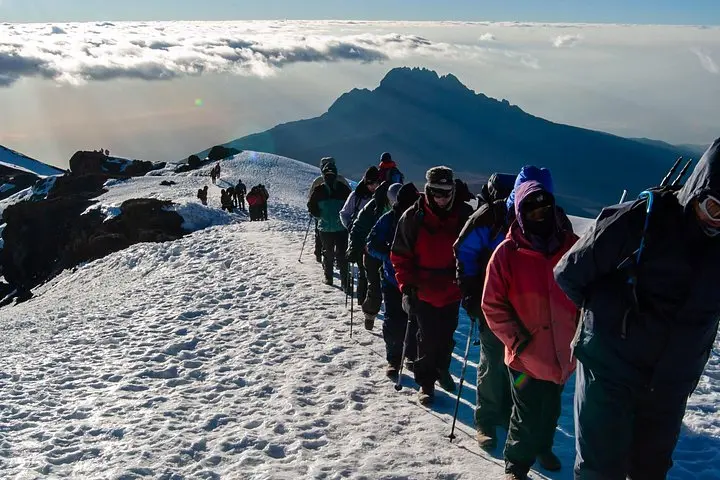
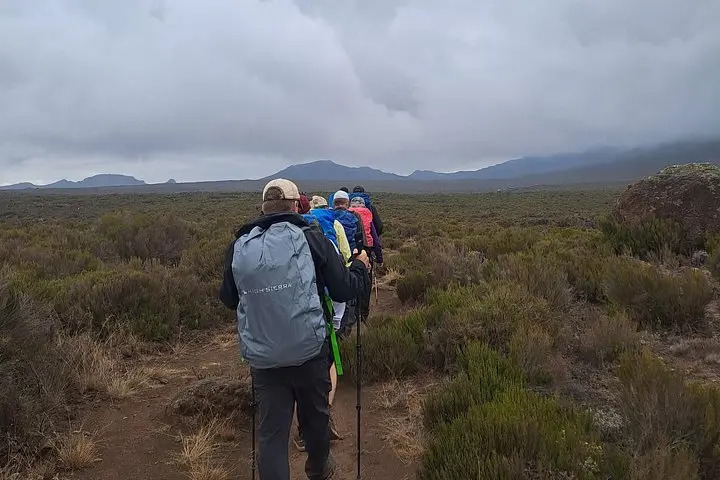
Practical realities matter here: altitude is the principal challenge. The Lemosho itinerary builds time for acclimatization with a summit-night plan that minimizes acute ascent. Each day’s walking is manageable in distance but can be slow when oxygen thins—expect 4–7 hours of hiking on most days, with the summit push occupying 8–12 hours overnight. Guides are Wilderness First Responder-certified; the program includes porters, cooks, meals, park fees and two hotel nights.
Packing the right kit changes the experience. Waterproof layers are non-negotiable in the rainforest; insulated layers and a warm sleeping bag are essential above 4,000 m. Hydration and slow pacing are the best defenses against altitude trouble—drink early and often, and use the scheduled acclimatization hikes. Respect local culture and porter welfare: tips and lightweight packing help the crew, who make summit success possible.
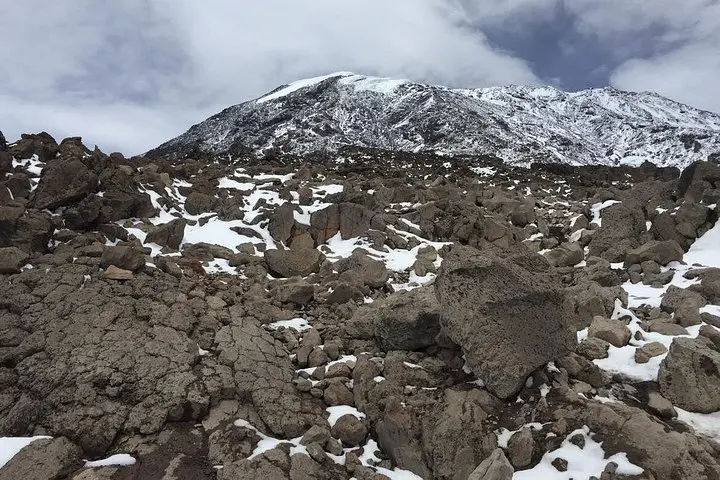
For travelers, the Lemosho route is a study in shifting ecosystems and endurance. It rewards measured effort with long, open skies, volcanic rockscapes and the rare moment at dawn when the highest point on the continent appears, luminous and close enough to touch.
Frequently asked questions
Lemosho has one of the highest success rates thanks to its gradual profile and extra acclimatization days, but success depends on fitness, pacing and altitude response.
No formal requirement, but prior multi-day trekking experience and focused fitness preparation greatly improve comfort and summit chances.
Guides monitor symptoms continuously; the itinerary includes acclimatization stops, and guides carry oxygen and first-aid kits—descent is the primary treatment for serious AMS.
Yes—group equipment, tents, sleeping pads and breakfast/lunch/dinner during the trek are included; special diets can be accommodated with advance notice.
Dry months (June–October) are most reliable; January–March can also be good, while March–May and November bring higher rainfall.
All Kilimanjaro National Park fees are included in the package, and guides handle registration and permits as part of the service.
About This Experience
Kilimanjaro Guru Expeditions operates guided outdoor trips and adventures with an emphasis on safety, stewardship, and memorable experiences.
Adventure tips
Recommended gear
- Sturdy waterproof hiking boots: Support and traction for muddy rainforest trails and rocky high-altitude sections.
- Insulated down jacket (packable): Critical for summit night and cold camps above 4,000 m.
- Three-season sleeping bag (rated to -10°C): Keeps you warm during alpine nights in tented camps.
- Trekking poles: Reduce knee strain on descents and help steady you on steep, loose terrain.
Photos of the experience
Related adventures & guides
Read the full experience
Dawn in the rainforest can feel like a secret: damp leaves drip onto a single track, birds score sharp calls through tall moss-draped trunks, and the trail slopes away toward a dome of cloud that is, slowly, Kilimanjaro. The Lemosho Route begins on the western flank, at Londorossi Gate (2,250 m), with a gradual climb that teases the mountain’s moods—from humid montane forest to wind-swept alpine plains—before the final, thin-air push to Uhuru Peak (5,895 m).
Dawn in the rainforest can feel like a secret: damp leaves drip onto a single track, birds score sharp calls through tall moss-draped trunks, and the trail slopes away toward a dome of cloud that is, slowly, Kilimanjaro. The Lemosho Route begins on the western flank, at Londorossi Gate (2,250 m), with a gradual climb that teases the mountain’s moods—from humid montane forest to wind-swept alpine plains—before the final, thin-air push to Uhuru Peak (5,895 m).
The Lemosho route is both scenic and strategic. Geologically Kilimanjaro is a dormant stratovolcano with three volcanic cones—Kibo, Mawenzi and Shira. Hikers cross the Shira Plateau, an ancient caldera remnant that unwinds into high-altitude desert and then into the jagged teeth of Kibo’s ice fields. Historically the slopes are home to the Chagga, whose terraces and irrigation systems shaped life in the shadow of the mountain; Moshi, the nearest town, still acts as the supply hub and cultural gateway for expeditions.
On the trail the landscape feels animate: the rainforest seems to pull hikers forward while the plateau stretches out and dares them to slow down for the view. Highlights are clear—Shira Camp at roughly 3,500–3,850 m offers broad views and the first sightlines to Kibo; Lava Tower at ~4,600 m is the acclimatization hinge; Barranco Wall presents a technical ridge of short hand-and-foot scrambling; and Barafu Camp is the cold, thin staging area for the night ascent.
Practical realities matter here: altitude is the principal challenge. The Lemosho itinerary builds time for acclimatization with a summit-night plan that minimizes acute ascent. Each day’s walking is manageable in distance but can be slow when oxygen thins—expect 4–7 hours of hiking on most days, with the summit push occupying 8–12 hours overnight. Guides are Wilderness First Responder-certified; the program includes porters, cooks, meals, park fees and two hotel nights.
Packing the right kit changes the experience. Waterproof layers are non-negotiable in the rainforest; insulated layers and a warm sleeping bag are essential above 4,000 m. Hydration and slow pacing are the best defenses against altitude trouble—drink early and often, and use the scheduled acclimatization hikes. Respect local culture and porter welfare: tips and lightweight packing help the crew, who make summit success possible.
For travelers, the Lemosho route is a study in shifting ecosystems and endurance. It rewards measured effort with long, open skies, volcanic rockscapes and the rare moment at dawn when the highest point on the continent appears, luminous and close enough to touch.
Make a day of it nearby.
Verified experiences and guided adventures in the surrounding area.