THE ADVENTURE COLLECTIVE® · Independent discovery and booking for outdoor travel

A seven-day small-group climb via the Lemosho Route offers slow, deliberate acclimatization, rainforest trails, high-altitude desert and a summit push to Uhuru Peak. Expect muddy lower slopes, exposed high plateaus and a demanding but rewarding summit night.
A seven-day small-group climb via the Lemosho Route offers slow, deliberate acclimatization, rainforest trails, high-altitude desert and a summit push to Uhuru Peak. Expect muddy lower slopes, exposed high plateaus and a demanding but rewarding summit night.
Steam rises off the road as your van peels away from Arusha at dawn, and the west face of Kilimanjaro—white-capped, indifferent—dominates the horizon like a country-sized challenge. By the time you hit the Londorossi Gate the air tastes different: cooler, sharper, with the rainforest beyond humming. On the Lemosho Route you don’t rush the mountain; you let it unfold. The trail slips you through dripping moss and giant lobelias, across an exposed Shira plateau that seems to mirror the sky, and into the alpine desert where scree and wind test every step.
Verified experiences and guided adventures in the surrounding area.
Operated by MERU SLOPES TOURS AND SAFARIS · Moshi, Kilimanjaro Region
Steam rises off the road as your van peels away from Arusha at dawn, and the west face of Kilimanjaro—white-capped, indifferent—dominates the horizon like a country-sized challenge. By the time you hit the Londorossi Gate the air tastes different: cooler, sharper, with the rainforest beyond humming. On the Lemosho Route you don’t rush the mountain; you let it unfold. The trail slips you through dripping moss and giant lobelias, across an exposed Shira plateau that seems to mirror the sky, and into the alpine desert where scree and wind test every step.
This western approach was long underrated by visitors but prized by guides for its slow-gradient ascent and superior acclimatization. Geologically, Kilimanjaro is a three-peaked stratovolcano—Kibo, Mawenzi and Shira—carved from flows and ancient caldera collapse; the Lemosho trail skirts old lava fields and provides some of the best crater views before you commit to Barafu and the final push to Uhuru Peak. Culturally, the route passes through traditional Chagga farmlands and past villages where story-tellers recall tales of the mountain that long predates modern tourism. The porters who shoulder tents and provisions practice a strict code of teamwork and efficiency that climbers quickly learn to respect.
Days alternate between humid forest—where paths can turn to river underfoot—and thin-air stretches where ericas and giant heathers stand like stone-age sentries. Lava Tower is your high-altitude acclimatization marker: a teeth-like spike that both warns and teases. Summit night from Barafu is an exercise in patience; the mountain tests resolve in cold, broken sleep and a slow, switchbacked ascent toward Stella Point and then Uhuru. The reward is not only the view but knowing you moved deliberately to get there.
Practical notes: this itinerary runs seven days and is optimized for altitude—expect early starts, long breaks and strict pace control. Bring gaiters and trekking poles for muddy rainforest approaches and loose scree on the upper slopes. The operator includes tents, meals, and an English-speaking guide; tipping for guides and porters is customary and essential to local livelihoods. Weather is volatile: clear mornings can give way to wind and snow above 4,500 m. Hydration and calorie intake matter—drink frequently and eat salty snacks to stave off headaches. If you have respiratory or cardiac conditions, consult a physician; the summit reaches ~5,895 m and the climb is strenuous.
In short, the Lemosho Route is an itinerary that rewards patience and respect for high-altitude travel: slower miles, broader views, and a real opportunity to stand on Africa’s rooftop with time to absorb what it took to get there.
Summit night is the most demanding: expect 5–7 hours up in thin air and cold, followed by a long descent—proper acclimatization and pacing are essential.
This route is non-technical; crampons may be recommended in icy conditions but guides will advise based on conditions.
The operator supplies tented camping on the mountain, meals per itinerary and hot meals at lower-elevation lodges; bring personal snacks.
June–October and January–March generally provide the most stable weather windows; shorter rains occur in December and April–May.
People in good health and fitness can attempt it, but those with serious cardiopulmonary conditions should not; medical clearance is advised.
Tipping guides and porters is customary and supports local communities; the group leader can advise on appropriate amounts.
MERU SLOPES TOURS AND SAFARIS operates guided outdoor trips and adventures with an emphasis on safety, stewardship, and memorable experiences.
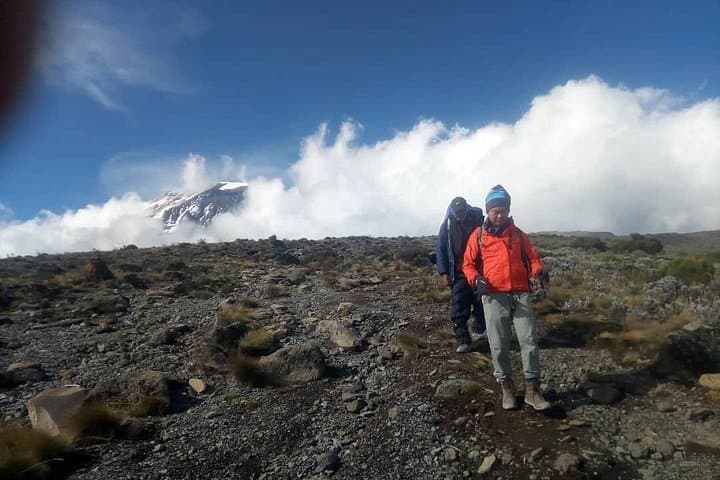


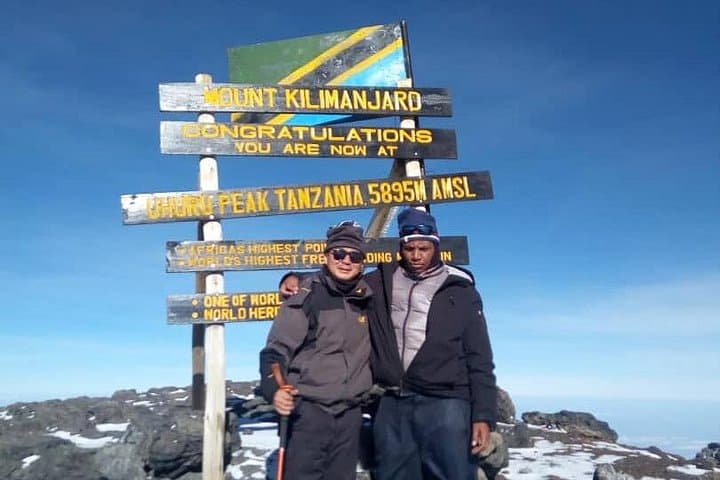
Steam rises off the road as your van peels away from Arusha at dawn, and the west face of Kilimanjaro—white-capped, indifferent—dominates the horizon like a country-sized challenge. By the time you hit the Londorossi Gate the air tastes different: cooler, sharper, with the rainforest beyond humming. On the Lemosho Route you don’t rush the mountain; you let it unfold. The trail slips you through dripping moss and giant lobelias, across an exposed Shira plateau that seems to mirror the sky, and into the alpine desert where scree and wind test every step.
Steam rises off the road as your van peels away from Arusha at dawn, and the west face of Kilimanjaro—white-capped, indifferent—dominates the horizon like a country-sized challenge. By the time you hit the Londorossi Gate the air tastes different: cooler, sharper, with the rainforest beyond humming. On the Lemosho Route you don’t rush the mountain; you let it unfold. The trail slips you through dripping moss and giant lobelias, across an exposed Shira plateau that seems to mirror the sky, and into the alpine desert where scree and wind test every step.
This western approach was long underrated by visitors but prized by guides for its slow-gradient ascent and superior acclimatization. Geologically, Kilimanjaro is a three-peaked stratovolcano—Kibo, Mawenzi and Shira—carved from flows and ancient caldera collapse; the Lemosho trail skirts old lava fields and provides some of the best crater views before you commit to Barafu and the final push to Uhuru Peak. Culturally, the route passes through traditional Chagga farmlands and past villages where story-tellers recall tales of the mountain that long predates modern tourism. The porters who shoulder tents and provisions practice a strict code of teamwork and efficiency that climbers quickly learn to respect.
Days alternate between humid forest—where paths can turn to river underfoot—and thin-air stretches where ericas and giant heathers stand like stone-age sentries. Lava Tower is your high-altitude acclimatization marker: a teeth-like spike that both warns and teases. Summit night from Barafu is an exercise in patience; the mountain tests resolve in cold, broken sleep and a slow, switchbacked ascent toward Stella Point and then Uhuru. The reward is not only the view but knowing you moved deliberately to get there.
Practical notes: this itinerary runs seven days and is optimized for altitude—expect early starts, long breaks and strict pace control. Bring gaiters and trekking poles for muddy rainforest approaches and loose scree on the upper slopes. The operator includes tents, meals, and an English-speaking guide; tipping for guides and porters is customary and essential to local livelihoods. Weather is volatile: clear mornings can give way to wind and snow above 4,500 m. Hydration and calorie intake matter—drink frequently and eat salty snacks to stave off headaches. If you have respiratory or cardiac conditions, consult a physician; the summit reaches ~5,895 m and the climb is strenuous.
In short, the Lemosho Route is an itinerary that rewards patience and respect for high-altitude travel: slower miles, broader views, and a real opportunity to stand on Africa’s rooftop with time to absorb what it took to get there.