THE ADVENTURE COLLECTIVE® · Independent discovery and booking for outdoor travel

The Lemosho Route is a quieter, more gradual way to summit Kilimanjaro—7–8 days of rainforest, moorland and high alpine desert that lead to Uhuru Peak. Expect long days, cold nights, and critical acclimatization windows on this classic west-flank approach.
The Lemosho Route is a quieter, more gradual way to summit Kilimanjaro—7–8 days of rainforest, moorland and high alpine desert that lead to Uhuru Peak. Expect long days, cold nights, and critical acclimatization windows on this classic west-flank approach.
Night settles over the rainforest as your headlamp trims a narrow ribbon of light—early steps on the Lemosho Route feel close to the mountain, as if Kilimanjaro is watching your progress. The trail climbs from 2,100m at Lemosho Gate through dripping montane forest, opens onto wind-scoured moorland across the Shira Plateau, and rises past the Lava Tower before testing lungs and resolve above Barafu Camp.
Verified experiences and guided adventures in the surrounding area.
Operated by Kilimanjaro Winners Safaris · Moshi, Kilimanjaro Region
Night settles over the rainforest as your headlamp trims a narrow ribbon of light—early steps on the Lemosho Route feel close to the mountain, as if Kilimanjaro is watching your progress. The trail climbs from 2,100m at Lemosho Gate through dripping montane forest, opens onto wind-scoured moorland across the Shira Plateau, and rises past the Lava Tower before testing lungs and resolve above Barafu Camp.
Kilimanjaro’s geology is volcanic: three cones—Kibo, Mawenzi and Shira—map the mountain’s long birth, while glaciers crown the summit at 5,895m. The Lemosho Route on the western flank was developed to offer better acclimatization and panoramic approaches; historically the area sits within Chagga country where mountain agriculture and portering traditions shaped modern trekking culture.
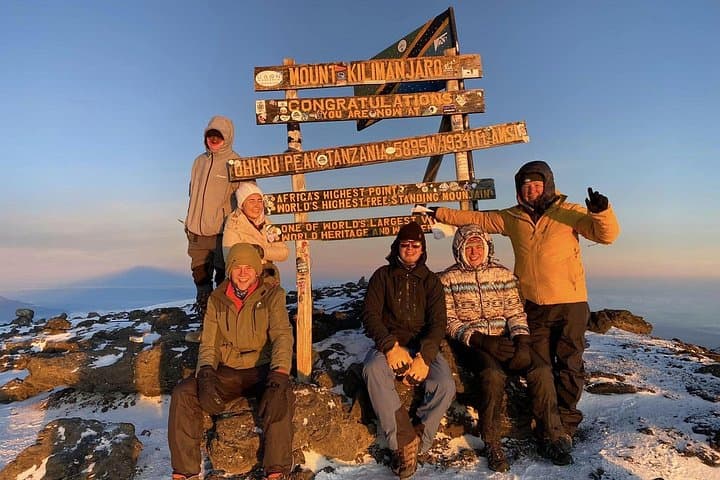
Expect rainforest birdcalls, moorland heather, and a stark alpine desert that dares you upward as oxygen thins. The itinerary typically covers 7–8 days with daily walking sections from 3–7 hours and a gruelling 10–14 hour summit push that starts around midnight to reach Uhuru Peak at sunrise.
Practical guidance: train with long hikes and back-to-back days, plan for quick-layer clothing and a down jacket for the summit, and hydrate consistently—altitude dehydrates fast. Use sturdy, broken-in boots and a daypack for summit essentials; guides handle tents and meals, but carry personal essentials and a headlamp. Permit fees and a registered guide are required by Kilimanjaro National Park; choose the 8-day Lemosho to improve acclimatization and summit success rates.
Lemosho is considered one of the best for acclimatization and scenery—physically demanding but with a higher summit success rate when done over 8 days.
No technical gear is required for the standard Lemosho Route; crampons or ice axe are not necessary for normal summer conditions but check guides and season.
Acute mountain sickness is the main risk; the 8-day itinerary spaces acclimatization, and experienced guides monitor symptoms, enforce rest, and recommend descent if needed.
Trek packages typically include park fees, registered guides, porters, meals and camping equipment—confirm inclusions with the operator before booking.
Kilimanjaro Winners Safaris operates guided outdoor trips and adventures with an emphasis on safety, stewardship, and memorable experiences.
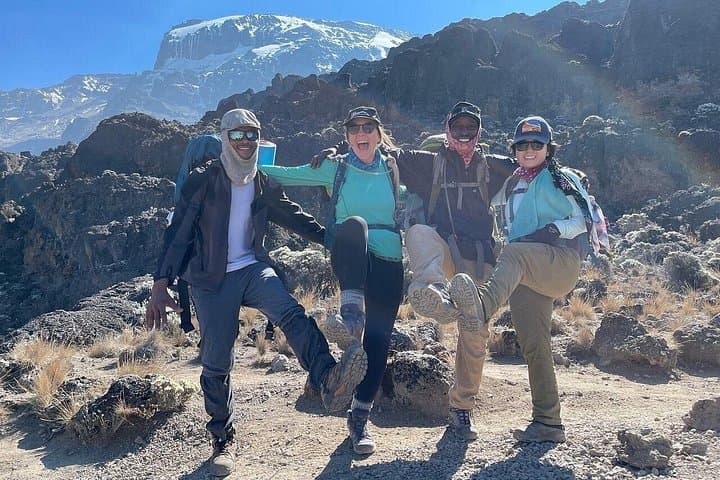
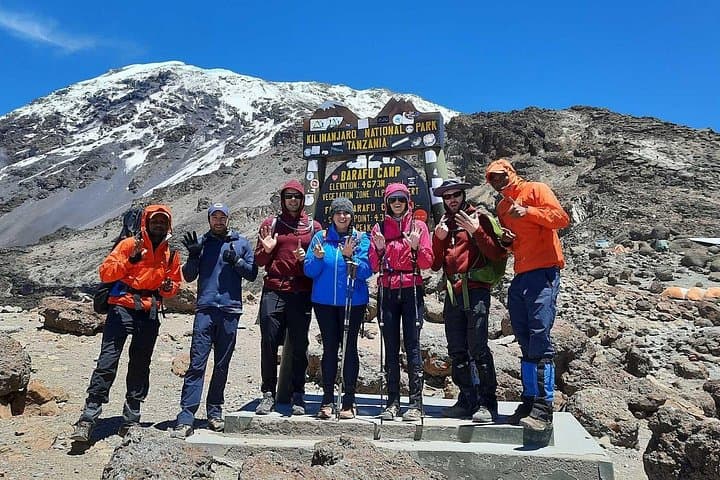
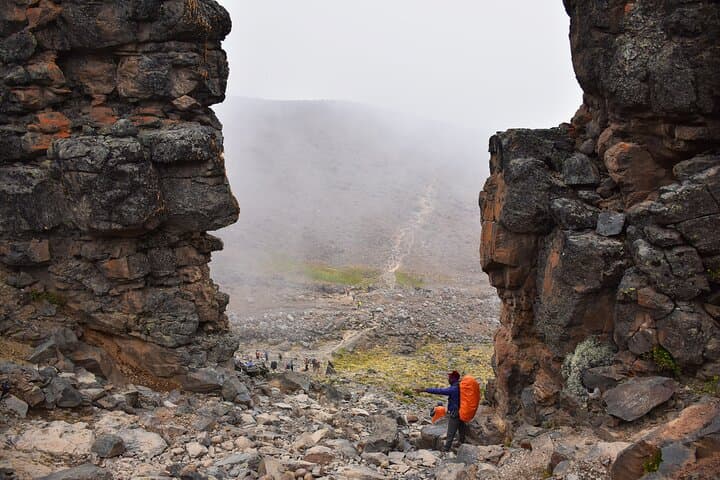
Night settles over the rainforest as your headlamp trims a narrow ribbon of light—early steps on the Lemosho Route feel close to the mountain, as if Kilimanjaro is watching your progress. The trail climbs from 2,100m at Lemosho Gate through dripping montane forest, opens onto wind-scoured moorland across the Shira Plateau, and rises past the Lava Tower before testing lungs and resolve above Barafu Camp.
Night settles over the rainforest as your headlamp trims a narrow ribbon of light—early steps on the Lemosho Route feel close to the mountain, as if Kilimanjaro is watching your progress. The trail climbs from 2,100m at Lemosho Gate through dripping montane forest, opens onto wind-scoured moorland across the Shira Plateau, and rises past the Lava Tower before testing lungs and resolve above Barafu Camp.
Kilimanjaro’s geology is volcanic: three cones—Kibo, Mawenzi and Shira—map the mountain’s long birth, while glaciers crown the summit at 5,895m. The Lemosho Route on the western flank was developed to offer better acclimatization and panoramic approaches; historically the area sits within Chagga country where mountain agriculture and portering traditions shaped modern trekking culture.
Expect rainforest birdcalls, moorland heather, and a stark alpine desert that dares you upward as oxygen thins. The itinerary typically covers 7–8 days with daily walking sections from 3–7 hours and a gruelling 10–14 hour summit push that starts around midnight to reach Uhuru Peak at sunrise.
Practical guidance: train with long hikes and back-to-back days, plan for quick-layer clothing and a down jacket for the summit, and hydrate consistently—altitude dehydrates fast. Use sturdy, broken-in boots and a daypack for summit essentials; guides handle tents and meals, but carry personal essentials and a headlamp. Permit fees and a registered guide are required by Kilimanjaro National Park; choose the 8-day Lemosho to improve acclimatization and summit success rates.