THE ADVENTURE COLLECTIVE® · Independent discovery and booking for outdoor travel

An 8-day Lemosho expedition builds acclimatization into every step, moving from rainforest to lunar highlands before a pre-dawn push to Uhuru Peak. This guide explains the route’s character, practical logistics, and what to pack for success.
An 8-day Lemosho expedition builds acclimatization into every step, moving from rainforest to lunar highlands before a pre-dawn push to Uhuru Peak. This guide explains the route’s character, practical logistics, and what to pack for success.
The lantern-light hush of a Moshi hotel at 1 a.m. gives way to the soft rumble of minivans on red earth. By dawn the rainforest swallows the road and guides check boots like clockmakers — precise, necessary. On the Lemosho Route the mountain does not greet you at once; it lets you discover it in stages: the forest will nudge you, the moorland will widen its chest, the Shira Plateau will demand your breath, and the final ridge will insist you earn every step to Uhuru Peak.
Verified experiences and guided adventures in the surrounding area.
Operated by majali.tours · Moshi, Kilimanjaro
The lantern-light hush of a Moshi hotel at 1 a.m. gives way to the soft rumble of minivans on red earth. By dawn the rainforest swallows the road and guides check boots like clockmakers — precise, necessary. On the Lemosho Route the mountain does not greet you at once; it lets you discover it in stages: the forest will nudge you, the moorland will widen its chest, the Shira Plateau will demand your breath, and the final ridge will insist you earn every step to Uhuru Peak.
Lemosho approaches Kilimanjaro from the west and was historically a less-traveled corridor used by local hunters before mountaineering became commercialized in the 20th century. Geologically, Kilimanjaro is a stratovolcano with three volcanic cones — Kibo, Mawenzi and Shira — and the plateau you cross on Lemosho is a remnant of the Shira caldera. Culturally, the Chagga people around Moshi have long treated the mountain as a place of weather and water; their farms on the lower slopes still feed the teams and stock the markets in town.
The route spans roughly 70–80 km round-trip with a summit at 5,895 m (Uhuru Peak). Daily profiles vary: easy rainforest walks on days 1–2, moorland and plateau above 3,000 m, then steep, exposed sections to Lava Tower and the Barranco Wall before a pre-dawn push from Barafu to the summit. Expect total elevation gain of about 4,300 m from Moshi to Uhuru, with days that practice "climb high, sleep low" for acclimatization.
Wildlife is subtle — colobus monkeys in the trees, and high-altitude birds like the alpine chat — but the mountain’s main character is weather. Afternoon clouds can arrive quickly and the summit night is an exercise in layered insulation and mental pacing: slow, steady, step-after-step.
Practical edge: acclimatize, hydrate, and prioritize sleep. Use gaiters and well-broken-in waterproof boots; bring a 0°C-rated sleeping bag and a sturdy 30–40 L daypack. Summit attempts start between midnight and 2 a.m.; plan for a 10–12 hour summit day and a long descent the following day. Guides and porters handle camp logistics, but you should carry essentials (water, snacks, warm layers) and know basic altitude symptoms.
When you return to Moshi, plan for a gentle day to recover and a proper meal — the mountain rewards respect and patience, not speed. Lemosho is a route that builds you into the climb: slow ascents, meaningful views, and a final dawn that, if the summit is generous, will make the ache worthwhile.
You should be comfortable hiking 5–8 hours a day with a light daypack; previous multi-day trekking experience is strongly recommended.
No technical climbing skills are required; the route is trekking, though ice or snow near the summit may require crampons in certain seasons provided by operators.
Success depends on acclimatization, weather and pacing; Lemosho’s longer profile improves odds compared with shorter routes but no guarantee exists.
Dry months June–October and January–February typically offer the most stable weather, though short rains in October–December can affect conditions.
Yes — professional crews handle tents, cooking and most group gear; you still carry a personal daypack with essentials and water.
Bring passport details, emergency contact info, and be prepared to disclose medical history and any issues related to altitude; operators may require age and fitness information.
majali.tours operates guided outdoor trips and adventures with an emphasis on safety, stewardship, and memorable experiences.
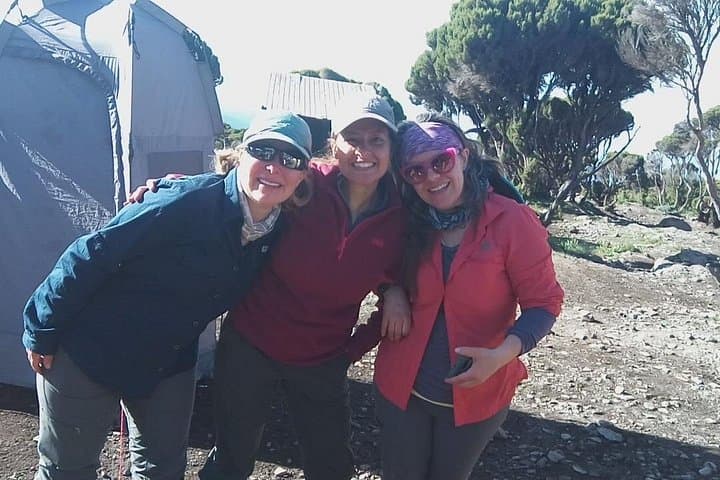
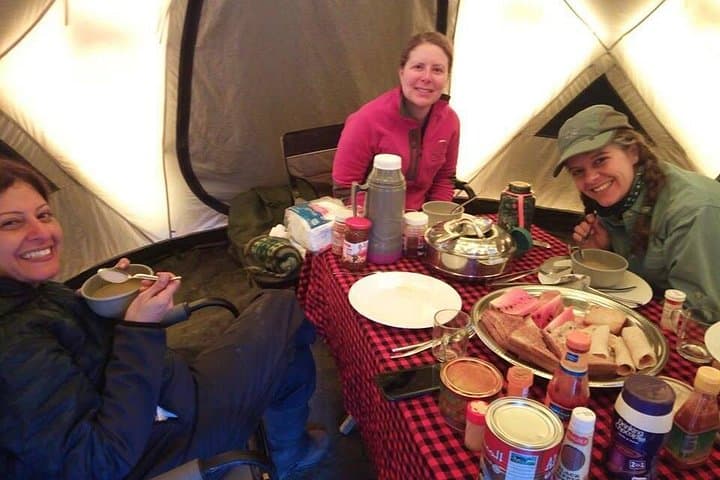
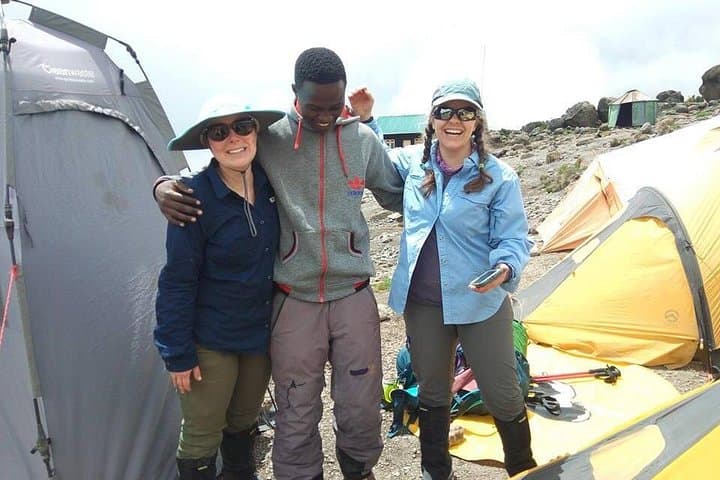
The lantern-light hush of a Moshi hotel at 1 a.m. gives way to the soft rumble of minivans on red earth. By dawn the rainforest swallows the road and guides check boots like clockmakers — precise, necessary. On the Lemosho Route the mountain does not greet you at once; it lets you discover it in stages: the forest will nudge you, the moorland will widen its chest, the Shira Plateau will demand your breath, and the final ridge will insist you earn every step to Uhuru Peak.
The lantern-light hush of a Moshi hotel at 1 a.m. gives way to the soft rumble of minivans on red earth. By dawn the rainforest swallows the road and guides check boots like clockmakers — precise, necessary. On the Lemosho Route the mountain does not greet you at once; it lets you discover it in stages: the forest will nudge you, the moorland will widen its chest, the Shira Plateau will demand your breath, and the final ridge will insist you earn every step to Uhuru Peak.
Lemosho approaches Kilimanjaro from the west and was historically a less-traveled corridor used by local hunters before mountaineering became commercialized in the 20th century. Geologically, Kilimanjaro is a stratovolcano with three volcanic cones — Kibo, Mawenzi and Shira — and the plateau you cross on Lemosho is a remnant of the Shira caldera. Culturally, the Chagga people around Moshi have long treated the mountain as a place of weather and water; their farms on the lower slopes still feed the teams and stock the markets in town.
The route spans roughly 70–80 km round-trip with a summit at 5,895 m (Uhuru Peak). Daily profiles vary: easy rainforest walks on days 1–2, moorland and plateau above 3,000 m, then steep, exposed sections to Lava Tower and the Barranco Wall before a pre-dawn push from Barafu to the summit. Expect total elevation gain of about 4,300 m from Moshi to Uhuru, with days that practice "climb high, sleep low" for acclimatization.
Wildlife is subtle — colobus monkeys in the trees, and high-altitude birds like the alpine chat — but the mountain’s main character is weather. Afternoon clouds can arrive quickly and the summit night is an exercise in layered insulation and mental pacing: slow, steady, step-after-step.
Practical edge: acclimatize, hydrate, and prioritize sleep. Use gaiters and well-broken-in waterproof boots; bring a 0°C-rated sleeping bag and a sturdy 30–40 L daypack. Summit attempts start between midnight and 2 a.m.; plan for a 10–12 hour summit day and a long descent the following day. Guides and porters handle camp logistics, but you should carry essentials (water, snacks, warm layers) and know basic altitude symptoms.
When you return to Moshi, plan for a gentle day to recover and a proper meal — the mountain rewards respect and patience, not speed. Lemosho is a route that builds you into the climb: slow ascents, meaningful views, and a final dawn that, if the summit is generous, will make the ache worthwhile.