THE ADVENTURE COLLECTIVE® · Independent discovery and booking for outdoor travel

An 8-day Lemosho ascent offers a measured, scenic path to Uhuru Peak — forested lower slopes, the broad Shira Plateau, and a cold, glaciated summit. This guide outlines what to expect, how to prepare, and practical tips for a safe, successful climb.
An 8-day Lemosho ascent offers a measured, scenic path to Uhuru Peak — forested lower slopes, the broad Shira Plateau, and a cold, glaciated summit. This guide outlines what to expect, how to prepare, and practical tips for a safe, successful climb.
You leave Moshi before dawn and the town thins to a scattering of single-lane roads and coffee plantations. The van climbs and the air cools; by the time you reach Londorossi Gate the rainforest is already breathing — humidity clinging to your jacket, tree trunks dripping and birds calling like distant percussion. On the Lemosho Route the mountain announces itself subtly at first: a mosaic of green, then moorland, then a vast, fluted summit veiled in ice.
Verified experiences and guided adventures in the surrounding area.
Operated by Kilisa Tours & Safaris · Moshi, Kilimanjaro Region
You leave Moshi before dawn and the town thins to a scattering of single-lane roads and coffee plantations. The van climbs and the air cools; by the time you reach Londorossi Gate the rainforest is already breathing — humidity clinging to your jacket, tree trunks dripping and birds calling like distant percussion. On the Lemosho Route the mountain announces itself subtly at first: a mosaic of green, then moorland, then a vast, fluted summit veiled in ice.
The Lemosho approach traces the western flank of Kilimanjaro, a collapsed stratovolcano that rises from the East African plain to 5,895 m. Geologically, Kibo — the highest cone — is a late-stage volcanic dome capped by glaciers that still cling to its rim despite rapid retreat over the last century. Historically the slopes were used by Chagga and Maasai communities who guided early European explorers; today porters and guides drawn from local villages form the backbone of every summit bid, carrying tents, fuel and food while sharing knowledge of the trails and weather patterns.
Culturally the trek is as much a human journey as a natural one: camps fill with the rhythm of ukulele and taarab after dinner, and the final descent often ends with a traditional send-off in the rainforest villages below. Ecologically the route passes several distinct bands — montane rainforest, heather and moorland, alpine desert and the lunar scree near Barafu — each with its own microclimate. Hikers feel the mountain’s moods: sudden sun, wind that dares you to keep moving, and a thinness of air that asks for slow, measured breathing.
Practically, the Lemosho Route is designed for acclimatization. Eight days gives time for gradual altitude gain; key sections include the Shira Plateau, the Lava Tower (4,600 m) for a classic acclimatization climb, and the Barranco Wall — a steep, exposed Class 2 scramble that rewards steady hands and calm heads. Summit night from Barafu starts around midnight; expect 6–8 hours up to Stella Point and on to Uhuru Peak for sunrise, and a long descent to Mweka.
Preparation matters: train on long hikes with weight, practice hiking in variable weather, and assemble layers for temperatures from +10°C in the forest to well below freezing on the summit. Hydrate, eat consistently, and follow your guide’s pacing — success on Kilimanjaro is usually as much about patience as power. When the sun finally breaks the horizon at Uhuru, the view is direct and uncompromising: the roof of Africa, and a reminder that reaching it was a decision measured in kilometers, nights and the steady work of a climbing team.
No technical climbing skills are required, but previous multi-day trekking experience and high fitness levels significantly improve your summit chances.
The clearest windows are late June–October (dry season) and late January–February; rainy months (March–May and November) bring muddier trails and more unpredictable weather.
Altitude is the main objective hazard; an 8-day itinerary provides better acclimatization but symptoms can still occur—communicate with guides immediately if you feel unwell.
This package includes park fees, transfers, 3 hot meals daily on the mountain, tents, sleeping mats, guide and porter support, oxygen and first-aid equipment, and two nights in Moshi.
Policies vary; physically, children should be strong, experienced hikers—many operators set age limits and require parental discretion.
Tipping is customary; plan a separate tip pool distributed among guides, assistant guides and porters—ask your operator for current local guidelines.
Kilisa Tours & Safaris operates guided outdoor trips and adventures with an emphasis on safety, stewardship, and memorable experiences.
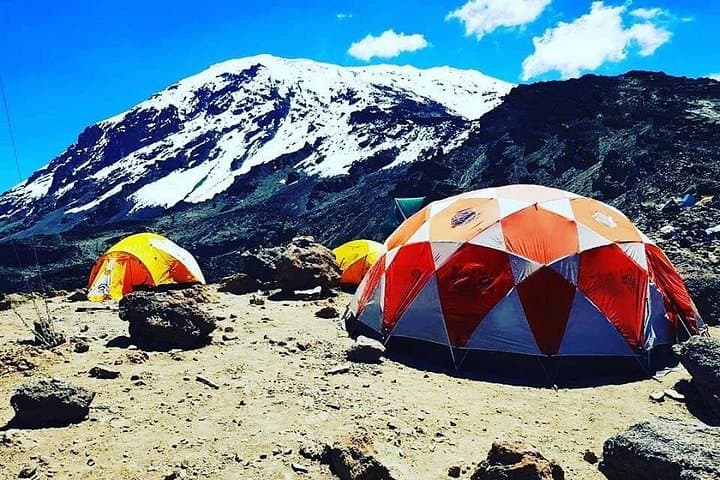

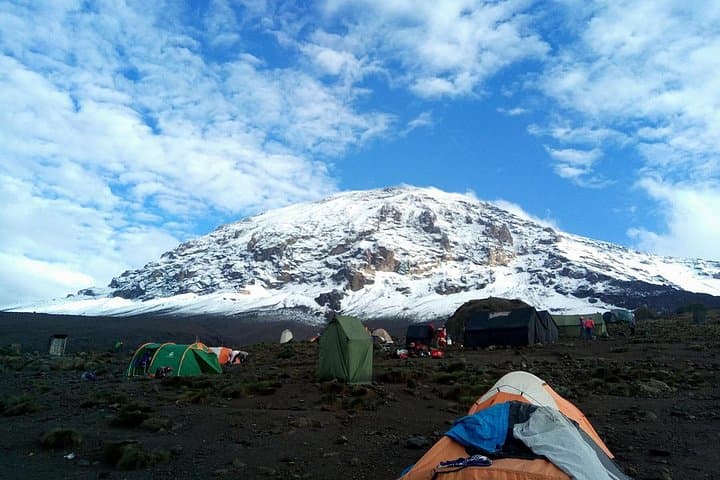
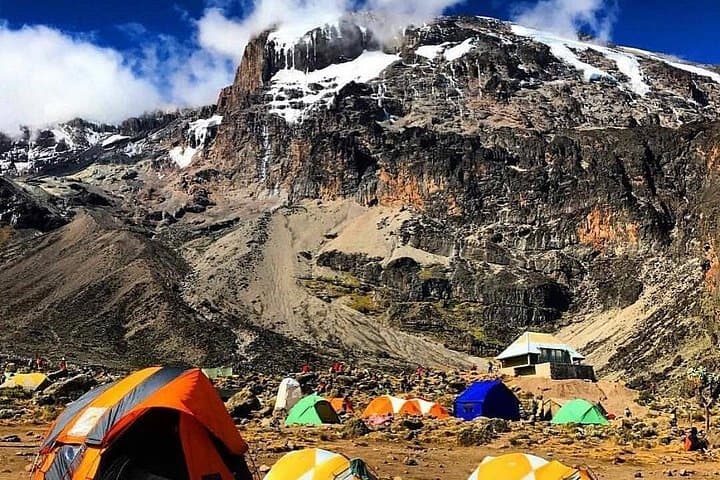
You leave Moshi before dawn and the town thins to a scattering of single-lane roads and coffee plantations. The van climbs and the air cools; by the time you reach Londorossi Gate the rainforest is already breathing — humidity clinging to your jacket, tree trunks dripping and birds calling like distant percussion. On the Lemosho Route the mountain announces itself subtly at first: a mosaic of green, then moorland, then a vast, fluted summit veiled in ice.
You leave Moshi before dawn and the town thins to a scattering of single-lane roads and coffee plantations. The van climbs and the air cools; by the time you reach Londorossi Gate the rainforest is already breathing — humidity clinging to your jacket, tree trunks dripping and birds calling like distant percussion. On the Lemosho Route the mountain announces itself subtly at first: a mosaic of green, then moorland, then a vast, fluted summit veiled in ice.
The Lemosho approach traces the western flank of Kilimanjaro, a collapsed stratovolcano that rises from the East African plain to 5,895 m. Geologically, Kibo — the highest cone — is a late-stage volcanic dome capped by glaciers that still cling to its rim despite rapid retreat over the last century. Historically the slopes were used by Chagga and Maasai communities who guided early European explorers; today porters and guides drawn from local villages form the backbone of every summit bid, carrying tents, fuel and food while sharing knowledge of the trails and weather patterns.
Culturally the trek is as much a human journey as a natural one: camps fill with the rhythm of ukulele and taarab after dinner, and the final descent often ends with a traditional send-off in the rainforest villages below. Ecologically the route passes several distinct bands — montane rainforest, heather and moorland, alpine desert and the lunar scree near Barafu — each with its own microclimate. Hikers feel the mountain’s moods: sudden sun, wind that dares you to keep moving, and a thinness of air that asks for slow, measured breathing.
Practically, the Lemosho Route is designed for acclimatization. Eight days gives time for gradual altitude gain; key sections include the Shira Plateau, the Lava Tower (4,600 m) for a classic acclimatization climb, and the Barranco Wall — a steep, exposed Class 2 scramble that rewards steady hands and calm heads. Summit night from Barafu starts around midnight; expect 6–8 hours up to Stella Point and on to Uhuru Peak for sunrise, and a long descent to Mweka.
Preparation matters: train on long hikes with weight, practice hiking in variable weather, and assemble layers for temperatures from +10°C in the forest to well below freezing on the summit. Hydrate, eat consistently, and follow your guide’s pacing — success on Kilimanjaro is usually as much about patience as power. When the sun finally breaks the horizon at Uhuru, the view is direct and uncompromising: the roof of Africa, and a reminder that reaching it was a decision measured in kilometers, nights and the steady work of a climbing team.