THE ADVENTURE COLLECTIVE® · Independent discovery and booking for outdoor travel

Trek the Lemosho Route from rainforest to glacier on a multi-day ascent of Kilimanjaro. This route balances scenic high plateaus with structured acclimatization and a dramatic summit push to Uhuru Peak.
Trek the Lemosho Route from rainforest to glacier on a multi-day ascent of Kilimanjaro. This route balances scenic high plateaus with structured acclimatization and a dramatic summit push to Uhuru Peak.
A cold, pre-dawn sky frames your headlamp as the Barafu campsite exhales the last of the night's wind; ahead, the Rebmann and Ratzel glaciers glint like a promise. The Lemosho Route takes you from rain-soaked lowland forest into open moorland, across the broad Shira Plateau, past the acclimatization marker of the Lava Tower, and up the steep switchbacks to Stella Point and Uhuru Peak.
Verified experiences and guided adventures in the surrounding area.
Operated by majali.tours · Moshi, Kilimanjaro Region
A cold, pre-dawn sky frames your headlamp as the Barafu campsite exhales the last of the night's wind; ahead, the Rebmann and Ratzel glaciers glint like a promise. The Lemosho Route takes you from rain-soaked lowland forest into open moorland, across the broad Shira Plateau, past the acclimatization marker of the Lava Tower, and up the steep switchbacks to Stella Point and Uhuru Peak.
Geology here is bold: Kilimanjaro is a dormant stratovolcano built from stacked lava flows and ash, its summit crowned by ice that has been retreating for decades. Culturally the mountain is central to the Chagga people, whose farmed slopes feed Moshi below and whose stories still mark waypoints along the path.
Expect rainforest trails with thick undergrowth and Colobus monkey calls on day two, progressing to giant heathers and tussock grasses on Shira, then rocky alpine scree near Barafu. Key stats: summit 5,895 m, typical high points Lava Tower ~4,630 m and Barafu ~4,640 m; daily hiking windows commonly 4–8 hours except the summit push (midnight–sunrise).
Practical guidance: hydrate steadily, follow the slow-but-steady pace leaders set for acclimatization, and carry layered clothing for swings from sweaty jungle climbs to sub-zero summit winds. Footwear should be stiff-soled boots with solid ankle support; gaiters help in scree and snow. Permits and park fees are required; professional guides and porters are standard on this route. Time your summit for clear-weather windows and allow an extra day if possible—the mountain rewards patience.
No technical climbing skills are required, but prior multi-day trekking experience and good fitness improve success and reduce altitude risk.
The clearest windows are typically January–March and June–October; wet seasons (April–May, November) bring heavier rains and muddy trails.
Kilimanjaro National Park permits and park fees are required; reputable operators include them in the package—confirm in booking details.
The final ascent from Barafu is a long, high-altitude push: expect nocturnal hiking on loose scree and steep switchbacks with significant elevation gain to Stella Point and Uhuru Peak.
majali.tours operates guided outdoor trips and adventures with an emphasis on safety, stewardship, and memorable experiences.
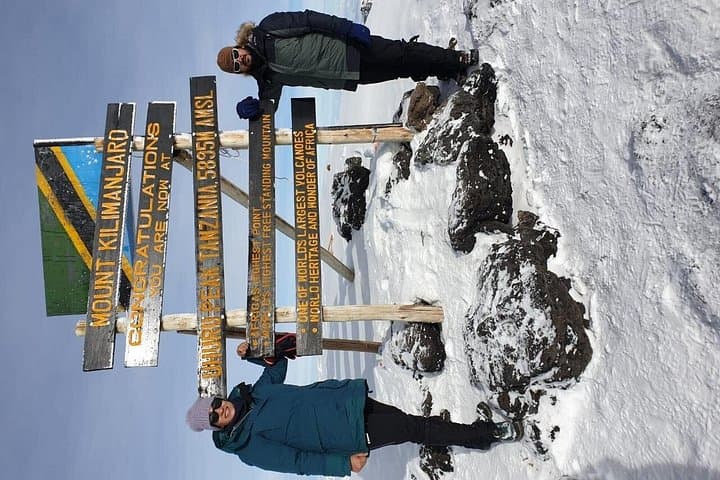
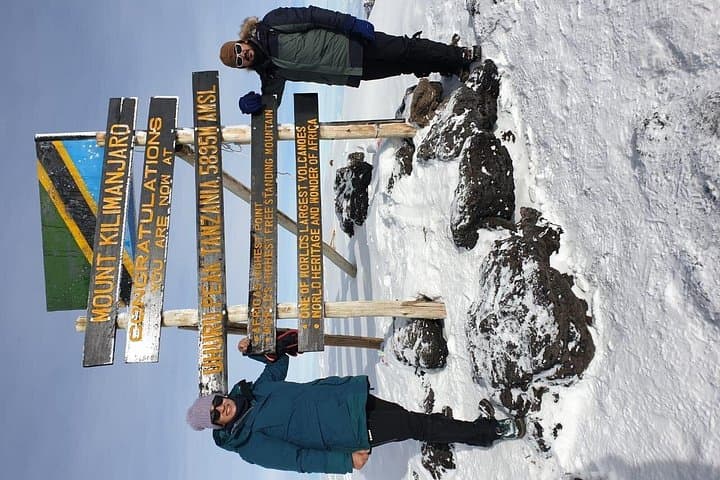
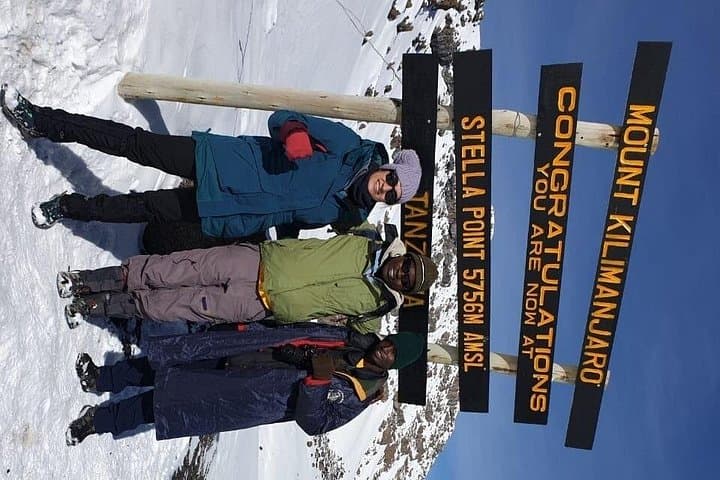
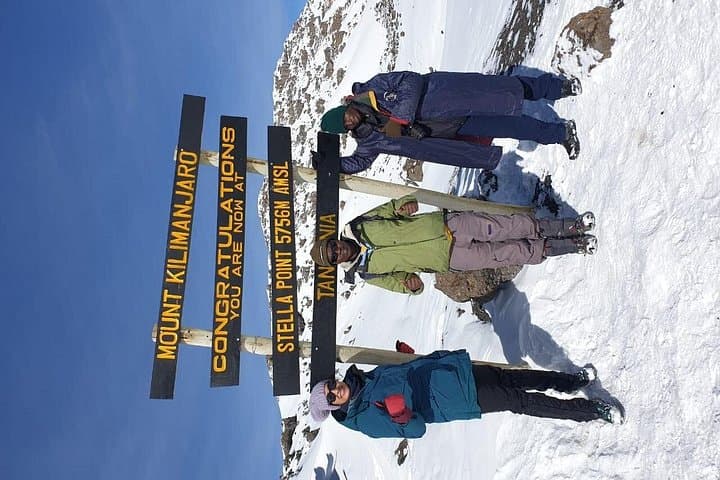
A cold, pre-dawn sky frames your headlamp as the Barafu campsite exhales the last of the night's wind; ahead, the Rebmann and Ratzel glaciers glint like a promise. The Lemosho Route takes you from rain-soaked lowland forest into open moorland, across the broad Shira Plateau, past the acclimatization marker of the Lava Tower, and up the steep switchbacks to Stella Point and Uhuru Peak.
A cold, pre-dawn sky frames your headlamp as the Barafu campsite exhales the last of the night's wind; ahead, the Rebmann and Ratzel glaciers glint like a promise. The Lemosho Route takes you from rain-soaked lowland forest into open moorland, across the broad Shira Plateau, past the acclimatization marker of the Lava Tower, and up the steep switchbacks to Stella Point and Uhuru Peak.
Geology here is bold: Kilimanjaro is a dormant stratovolcano built from stacked lava flows and ash, its summit crowned by ice that has been retreating for decades. Culturally the mountain is central to the Chagga people, whose farmed slopes feed Moshi below and whose stories still mark waypoints along the path.
Expect rainforest trails with thick undergrowth and Colobus monkey calls on day two, progressing to giant heathers and tussock grasses on Shira, then rocky alpine scree near Barafu. Key stats: summit 5,895 m, typical high points Lava Tower ~4,630 m and Barafu ~4,640 m; daily hiking windows commonly 4–8 hours except the summit push (midnight–sunrise).
Practical guidance: hydrate steadily, follow the slow-but-steady pace leaders set for acclimatization, and carry layered clothing for swings from sweaty jungle climbs to sub-zero summit winds. Footwear should be stiff-soled boots with solid ankle support; gaiters help in scree and snow. Permits and park fees are required; professional guides and porters are standard on this route. Time your summit for clear-weather windows and allow an extra day if possible—the mountain rewards patience.