THE ADVENTURE COLLECTIVE® · Independent discovery and booking for outdoor travel

Choose Lemosho for a quieter, more gradual climb of Kilimanjaro: rainforest approaches, the wide Shira Plateau, and deliberate acclimatization that improves summit odds. This route rewards patience with sweeping highland views and a real wilderness feel.
Choose Lemosho for a quieter, more gradual climb of Kilimanjaro: rainforest approaches, the wide Shira Plateau, and deliberate acclimatization that improves summit odds. This route rewards patience with sweeping highland views and a real wilderness feel.
The day you step onto Lemosho Glades the rainforest closes behind you like a slow curtain: moss-heavy trunks, the hush of leaves, and a trail that climbs with patience.
Verified experiences and guided adventures in the surrounding area.
Operated by Sirikwa Travel · Moshi, Kilimanjaro Region
The day you step onto Lemosho Glades the rainforest closes behind you like a slow curtain: moss-heavy trunks, the hush of leaves, and a trail that climbs with patience.
For the first three days Lemosho lets the mountain reveal itself in stages — lush forest gives way to moorland and then the wide, wind-battered Shira Plateau. Here the air thins but the landscape opens, and the plateau’s squat heathers and sudden rock bands remind you that Kilimanjaro is a volcanic giant built in geologic pulses: an old shield volcano capped by a younger cone that created Uhuru Peak at 5,895 m.
This route carries a quieter history than the busier Marangu or Machame lines. It's framed by the Chagga farmlands on the lower slopes, where terraces and banana groves show generations who learned to coax crops from volcanic soils. The mountain itself has long been a point of spiritual and economic connection for local communities; today, park fees fund conservation and mountain rescue services that make a summit attempt possible.
Walking Lemosho is a study in contrasts — humid forest that seems to dare you forward, fog-swamped moorland, and the stark, clean air of alpine desert. The typical vertical gain from the Londorossi trailhead (~2,100 m) to Uhuru Peak (~5,895 m) is roughly 3,800 m; total trekking distance on an 8-day Lemosho itinerary is commonly between 60–80 km, spread deliberately to aid acclimatization. The Shira Plateau is where that design matters: slow miles here reduce the risk of acute altitude issues and give climbers a genuine chance to adapt before the technical push on Barafu.
Practicalities are straightforward: professional guides, porters, mess tents and filtered water are standard inclusions with reputable operators; you'll sleep in four-season mountain tents and rotate between hot meals and calorie-dense snacks. Success comes down to pacing, hydration, and respect for the mountain’s rhythm. Move slowly uphill, carry layers for rapid temperature swings (wet forest can turn into alpine wind in an hour), and listen to your guides — oxygen meters and an oxygen tank are typically on hand, but prevention is the best medicine.
Plan your gear around altitude rather than distance: insulated layers, a warm sleeping bag, sturdy boots and a lightweight daypack. Time your summit push for the pre-dawn hours to stand at sunrise on the crater rim, when the glacier cliffs catch light and the low clouds can look like an ocean below.
Lemosho is for travelers who want wilderness more than crowds, who appreciate a measured climb that trades drama for the practical advantage of acclimatization. The mountain will test you; it will also teach you to move with intention, step by patient step.
Most operators run Lemosho itineraries over 7–8 days to maximize acclimatization; some offer shorter versions but longer itineraries increase summit success.
No technical climbing skills are required, but prior multi-day trekking experience and good cardiovascular fitness are strongly recommended.
Altitude sickness is the leading risk; proper pacing, hydration, and a guide-led ‘walk high, sleep low’ approach are key mitigations.
Reputable operators include park entry fees, rescue fees and certified guides — verify inclusions before booking and confirm emergency equipment like oxygen is carried.
Limited charging is often available at certain camps for a fee via solar setups; bring spare power banks and conserve battery.
Tipping is customary to reward guides and porters; operators usually provide guidelines — budget accordingly and carry cash in local currency.
Sirikwa Travel operates guided outdoor trips and adventures with an emphasis on safety, stewardship, and memorable experiences.
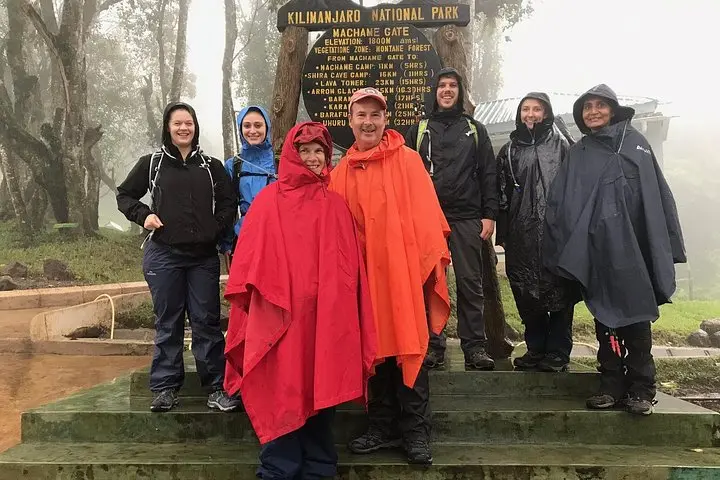
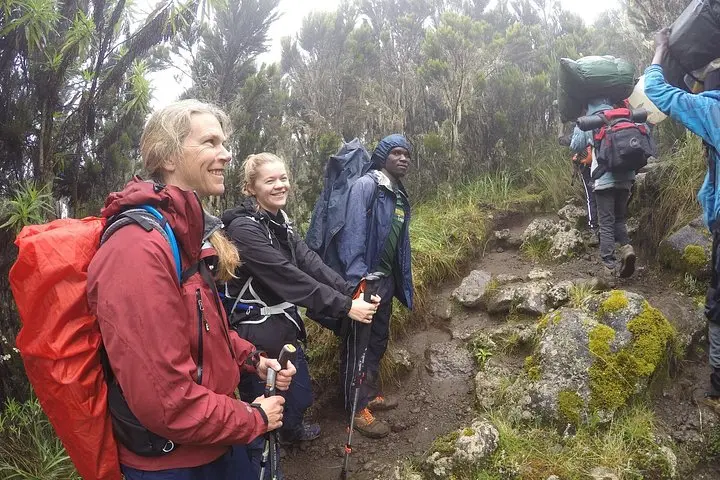
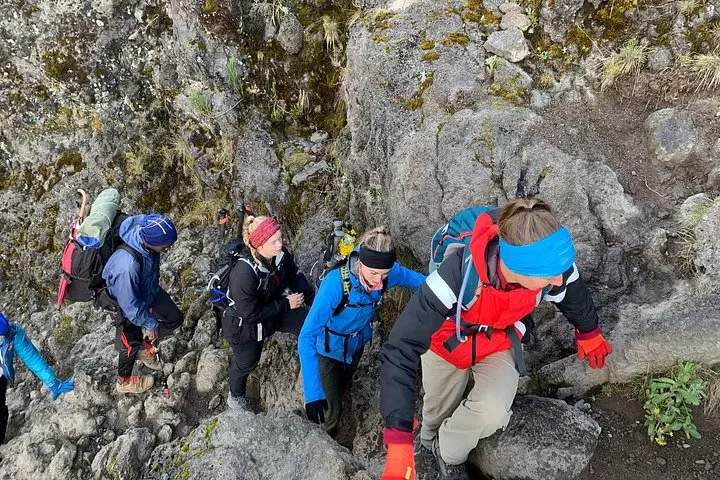
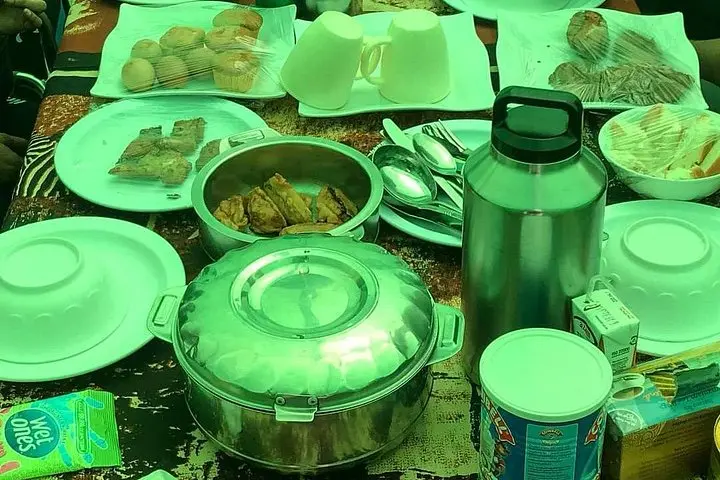
The day you step onto Lemosho Glades the rainforest closes behind you like a slow curtain: moss-heavy trunks, the hush of leaves, and a trail that climbs with patience.
The day you step onto Lemosho Glades the rainforest closes behind you like a slow curtain: moss-heavy trunks, the hush of leaves, and a trail that climbs with patience.
For the first three days Lemosho lets the mountain reveal itself in stages — lush forest gives way to moorland and then the wide, wind-battered Shira Plateau. Here the air thins but the landscape opens, and the plateau’s squat heathers and sudden rock bands remind you that Kilimanjaro is a volcanic giant built in geologic pulses: an old shield volcano capped by a younger cone that created Uhuru Peak at 5,895 m.
This route carries a quieter history than the busier Marangu or Machame lines. It's framed by the Chagga farmlands on the lower slopes, where terraces and banana groves show generations who learned to coax crops from volcanic soils. The mountain itself has long been a point of spiritual and economic connection for local communities; today, park fees fund conservation and mountain rescue services that make a summit attempt possible.
Walking Lemosho is a study in contrasts — humid forest that seems to dare you forward, fog-swamped moorland, and the stark, clean air of alpine desert. The typical vertical gain from the Londorossi trailhead (~2,100 m) to Uhuru Peak (~5,895 m) is roughly 3,800 m; total trekking distance on an 8-day Lemosho itinerary is commonly between 60–80 km, spread deliberately to aid acclimatization. The Shira Plateau is where that design matters: slow miles here reduce the risk of acute altitude issues and give climbers a genuine chance to adapt before the technical push on Barafu.
Practicalities are straightforward: professional guides, porters, mess tents and filtered water are standard inclusions with reputable operators; you'll sleep in four-season mountain tents and rotate between hot meals and calorie-dense snacks. Success comes down to pacing, hydration, and respect for the mountain’s rhythm. Move slowly uphill, carry layers for rapid temperature swings (wet forest can turn into alpine wind in an hour), and listen to your guides — oxygen meters and an oxygen tank are typically on hand, but prevention is the best medicine.
Plan your gear around altitude rather than distance: insulated layers, a warm sleeping bag, sturdy boots and a lightweight daypack. Time your summit push for the pre-dawn hours to stand at sunrise on the crater rim, when the glacier cliffs catch light and the low clouds can look like an ocean below.
Lemosho is for travelers who want wilderness more than crowds, who appreciate a measured climb that trades drama for the practical advantage of acclimatization. The mountain will test you; it will also teach you to move with intention, step by patient step.