THE ADVENTURE COLLECTIVE® · Independent discovery and booking for outdoor travel

Experience live tribal dance, traditional homesteads and a plated local lunch at Lesedi Cultural Village near Johannesburg. This four-hour visit mixes guided interpretation, artisan markets and audience-friendly performances.
Experience live tribal dance, traditional homesteads and a plated local lunch at Lesedi Cultural Village near Johannesburg. This four-hour visit mixes guided interpretation, artisan markets and audience-friendly performances.
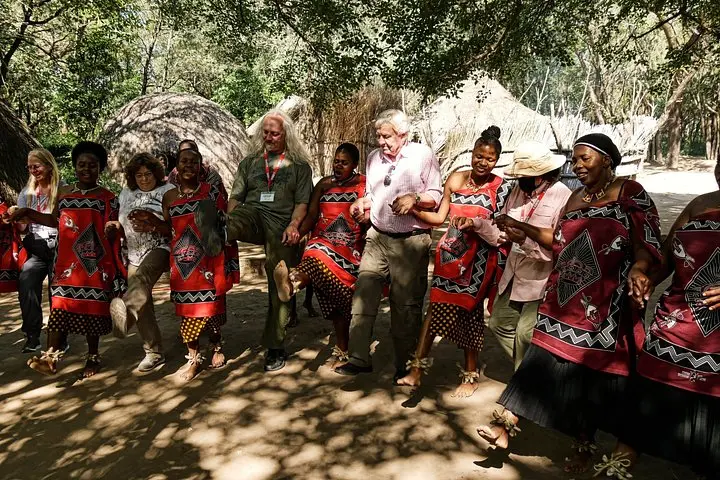
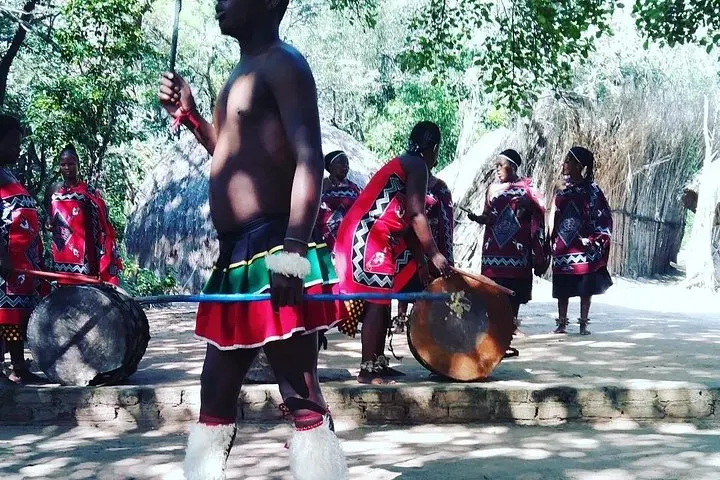
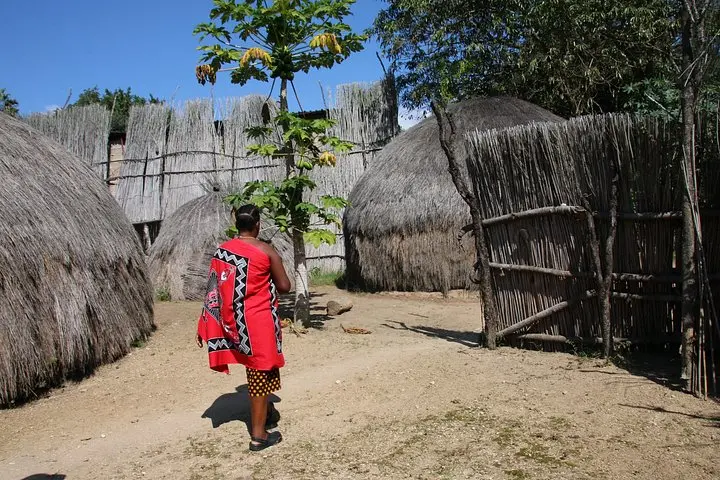
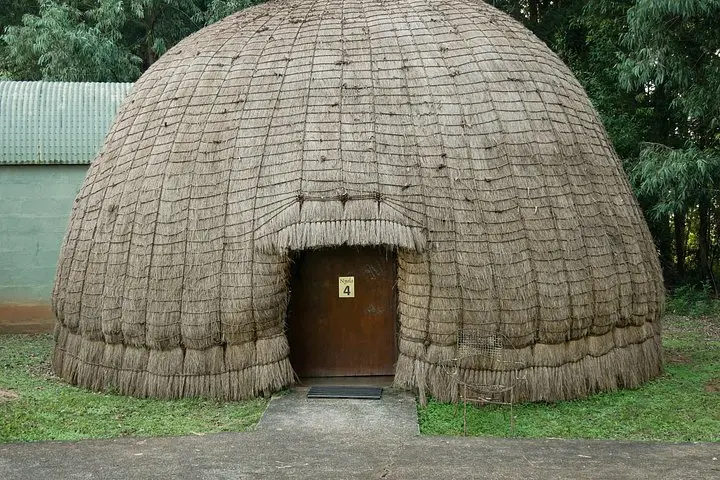
The air at Lesedi carries the drumbeat before the village comes into view: a line of thatched homesteads, painted houses and open cooking fires where smoke threads into the wide South African sky. Visitors move through compound gates into living reconstructions of Tswana, Zulu, Xhosa, Pedi, Basotho and Ndebele homesteads, where storytellers and dancers set the pace and the rhythm seems to tug at your step.
Verified experiences and guided adventures in the surrounding area.
Operated by Steinbock African Safari · Broederstroom, Gauteng
The air at Lesedi carries the drumbeat before the village comes into view: a line of thatched homesteads, painted houses and open cooking fires where smoke threads into the wide South African sky. Visitors move through compound gates into living reconstructions of Tswana, Zulu, Xhosa, Pedi, Basotho and Ndebele homesteads, where storytellers and dancers set the pace and the rhythm seems to tug at your step.
Lesedi was built to present and preserve several of South Africa’s major cultural traditions; the layout and crafts reflect local building methods, beadwork techniques and ceremonial dress rather than archaeological reconstruction. Geologically the area sits on dry grassland and low rolling hills of the Highveld; the veld leans in quietly, offering unobstructed light that makes colours and beadwork pop. Markets and craft stalls at the site give insight into contemporary artisanry and local economies.
Practically, the experience is a compact, four-hour half-day that blends guided walking, a dance demonstration with audience participation, and a plated traditional lunch. Expect uneven compacted-dirt paths, short steps into huts and open-air seating. Wear sun protection and stable shoes; photographic opportunities are plentiful but ask before photographing performers up close. Pickup from Johannesburg or Pretoria is typical—confirm times since transfers vary by pick-up point. The village operates as a living cultural center: go with curiosity, cash for souvenirs, and respect for performance rituals. For families and first-time visitors it’s an accessible, interpretive snapshot of South African cultures with clear logistical support, a market to browse, and plenty of live music to carry you back to the vehicle.
The standard visit is about four hours and includes guided interpretation of multiple homesteads, a dance performance with audience participation, and a plated traditional lunch; entrance and lunch are usually included.
Yes—families are welcome; performances are interactive and culturally appropriate for most ages, though supervision is recommended around open fires and merchandise stalls.
The operator indicates they can cater to vegetarian, vegan and gluten-free requests—confirm specifics when booking so the kitchen can prepare accordingly.
Photography is generally allowed, but it’s polite to ask performers before close-up shots and to respect any specific requests during ceremonies.
Steinbock African Safari operates guided outdoor trips and adventures with an emphasis on safety, stewardship, and memorable experiences.
The air at Lesedi carries the drumbeat before the village comes into view: a line of thatched homesteads, painted houses and open cooking fires where smoke threads into the wide South African sky. Visitors move through compound gates into living reconstructions of Tswana, Zulu, Xhosa, Pedi, Basotho and Ndebele homesteads, where storytellers and dancers set the pace and the rhythm seems to tug at your step.
The air at Lesedi carries the drumbeat before the village comes into view: a line of thatched homesteads, painted houses and open cooking fires where smoke threads into the wide South African sky. Visitors move through compound gates into living reconstructions of Tswana, Zulu, Xhosa, Pedi, Basotho and Ndebele homesteads, where storytellers and dancers set the pace and the rhythm seems to tug at your step.
Lesedi was built to present and preserve several of South Africa’s major cultural traditions; the layout and crafts reflect local building methods, beadwork techniques and ceremonial dress rather than archaeological reconstruction. Geologically the area sits on dry grassland and low rolling hills of the Highveld; the veld leans in quietly, offering unobstructed light that makes colours and beadwork pop. Markets and craft stalls at the site give insight into contemporary artisanry and local economies.
Practically, the experience is a compact, four-hour half-day that blends guided walking, a dance demonstration with audience participation, and a plated traditional lunch. Expect uneven compacted-dirt paths, short steps into huts and open-air seating. Wear sun protection and stable shoes; photographic opportunities are plentiful but ask before photographing performers up close. Pickup from Johannesburg or Pretoria is typical—confirm times since transfers vary by pick-up point. The village operates as a living cultural center: go with curiosity, cash for souvenirs, and respect for performance rituals. For families and first-time visitors it’s an accessible, interpretive snapshot of South African cultures with clear logistical support, a market to browse, and plenty of live music to carry you back to the vehicle.