THE ADVENTURE COLLECTIVE® · Independent discovery and booking for outdoor travel

A private day tour from Chengdu pairs the stupendous cliff-carved Leshan Giant Buddha with the calm halls of Wenshu Monastery. Expect a two-hour drive, river views, and a mix of stair climbs and flat temple courtyards.
A private day tour from Chengdu pairs the stupendous cliff-carved Leshan Giant Buddha with the calm halls of Wenshu Monastery. Expect a two-hour drive, river views, and a mix of stair climbs and flat temple courtyards.
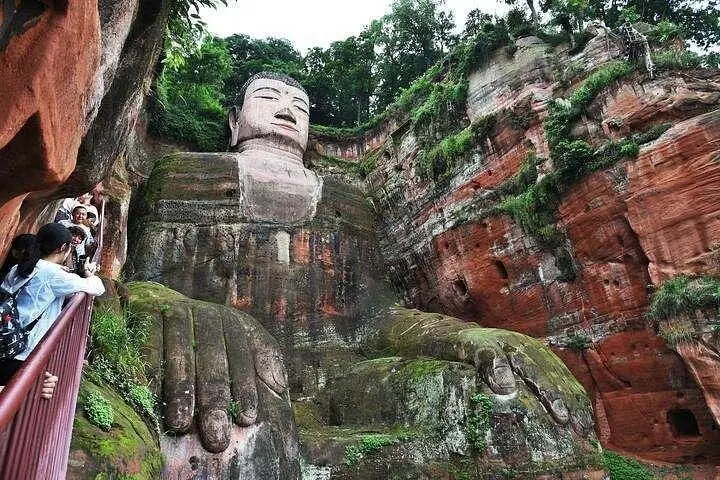
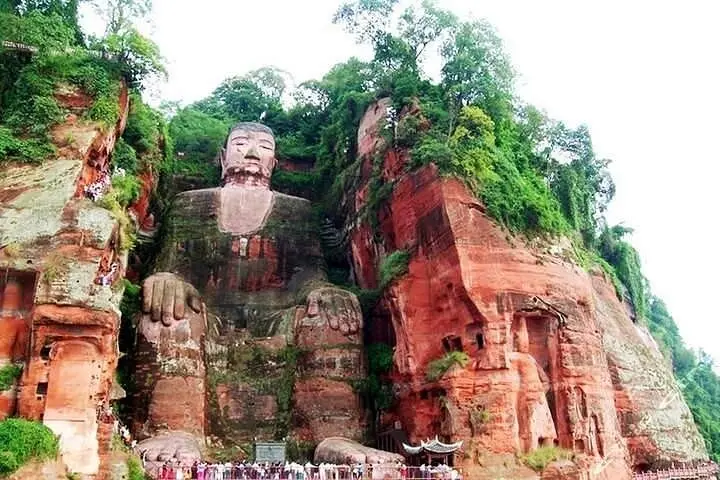
The morning air out of Chengdu tastes faintly of river mist as a private car eases onto the highway toward Leshan. Two hours of farmland and limestone ridges pass by before the cliff face resolves into the world's largest pre-modern stone Buddha, its feet resting where the Min and Dadu rivers dare each other below.
Verified experiences and guided adventures in the surrounding area.
Operated by pandachinago · Leshan, Sichuan
The morning air out of Chengdu tastes faintly of river mist as a private car eases onto the highway toward Leshan. Two hours of farmland and limestone ridges pass by before the cliff face resolves into the world's largest pre-modern stone Buddha, its feet resting where the Min and Dadu rivers dare each other below.
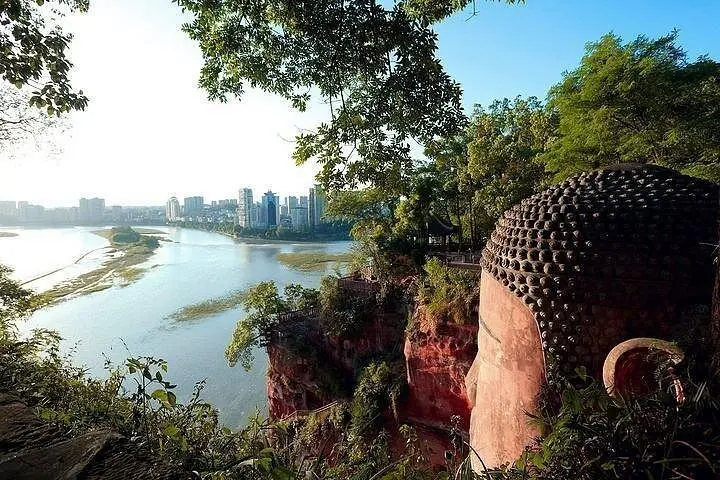
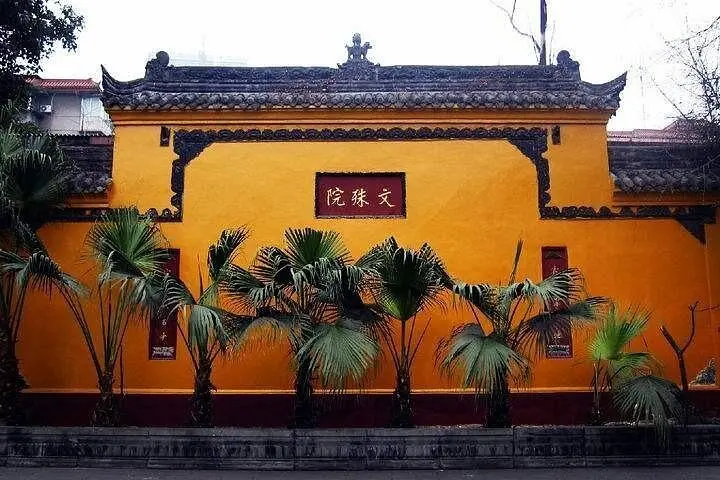
Carved between 713 and 803 AD, the 71‑metre Leshan Giant Buddha watches Mount Emei across the confluence; its red-bed sandstone tells a story of Cretaceous seas uplifted and sculpted by time. Nearby, Wenshu Monastery in Chengdu preserves artifacts from Tang and Qing dynasties—calligraphy, sutra collections and a fragile history of Chan practice that has shaped Sichuan’s religious life for centuries.
Visitors split time between viewpoints: steep staircases that trace the Buddha’s silhouette and a slower boat ride that shows the statue’s scale from the river. Wenshu provides contrast—a compact courtyard where tea houses and lacquered halls feel human in scale after the cliffside colossus.
Practical note: this is a full‑day, low‑impact outing with intermittent stairs and uneven stone paths. Tickets are typically bought on arrival; seniors may have concessions, so carry passports. Expect bilingual drivers who use translation apps and an air‑conditioned vehicle for the round trip. Bring water, comfortable walking shoes with grip, and a light rain layer in spring and summer. Aim for an early start to beat crowds and mid‑afternoon light for photos from the river—the Buddha looks most dramatic when the current pushes reflections past its toes.
No—this private tour typically excludes attraction admission; visitors buy tickets on arrival, and concessions for seniors may apply with ID.
Expect about a two‑hour drive each way depending on traffic; the tour is scheduled for roughly eight hours total.
Yes—there is an option to view the Buddha from the river by boat, which offers the most dramatic sense of scale compared with cliffside viewpoints.
The itinerary includes stairs and uneven paths; those with significant mobility issues should check accessibility in advance or remain at river-level viewpoints accessible by vehicle.
pandachinago operates guided outdoor trips and adventures with an emphasis on safety, stewardship, and memorable experiences.
The morning air out of Chengdu tastes faintly of river mist as a private car eases onto the highway toward Leshan. Two hours of farmland and limestone ridges pass by before the cliff face resolves into the world's largest pre-modern stone Buddha, its feet resting where the Min and Dadu rivers dare each other below.
The morning air out of Chengdu tastes faintly of river mist as a private car eases onto the highway toward Leshan. Two hours of farmland and limestone ridges pass by before the cliff face resolves into the world's largest pre-modern stone Buddha, its feet resting where the Min and Dadu rivers dare each other below.
Carved between 713 and 803 AD, the 71‑metre Leshan Giant Buddha watches Mount Emei across the confluence; its red-bed sandstone tells a story of Cretaceous seas uplifted and sculpted by time. Nearby, Wenshu Monastery in Chengdu preserves artifacts from Tang and Qing dynasties—calligraphy, sutra collections and a fragile history of Chan practice that has shaped Sichuan’s religious life for centuries.
Visitors split time between viewpoints: steep staircases that trace the Buddha’s silhouette and a slower boat ride that shows the statue’s scale from the river. Wenshu provides contrast—a compact courtyard where tea houses and lacquered halls feel human in scale after the cliffside colossus.
Practical note: this is a full‑day, low‑impact outing with intermittent stairs and uneven stone paths. Tickets are typically bought on arrival; seniors may have concessions, so carry passports. Expect bilingual drivers who use translation apps and an air‑conditioned vehicle for the round trip. Bring water, comfortable walking shoes with grip, and a light rain layer in spring and summer. Aim for an early start to beat crowds and mid‑afternoon light for photos from the river—the Buddha looks most dramatic when the current pushes reflections past its toes.