THE ADVENTURE COLLECTIVE® · Independent discovery and booking for outdoor travel

Stand beneath the world’s largest carved Buddha on a private day trip from Chengdu. This guided excursion combines temple visits, riverside viewpoints, and optional boat views for a full cultural experience.
Stand beneath the world’s largest carved Buddha on a private day trip from Chengdu. This guided excursion combines temple visits, riverside viewpoints, and optional boat views for a full cultural experience.
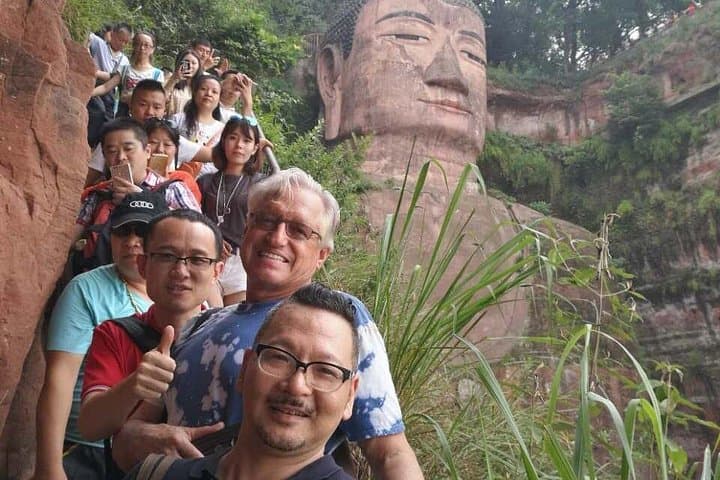
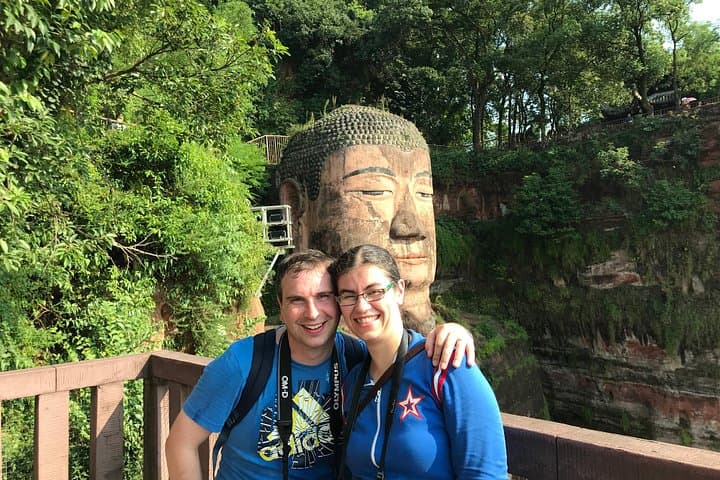
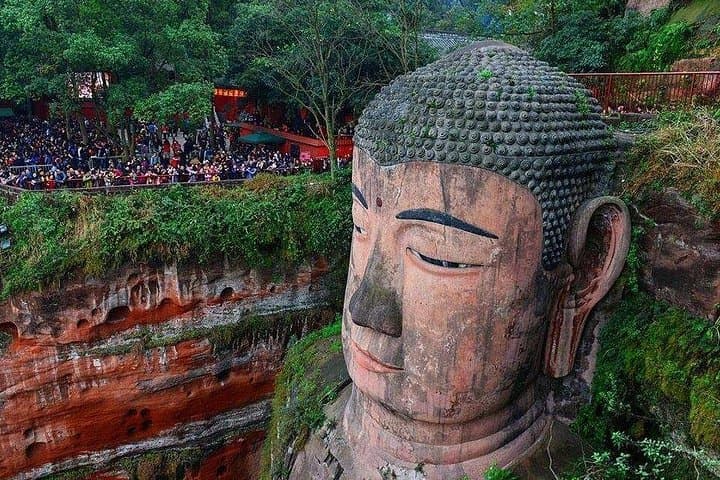
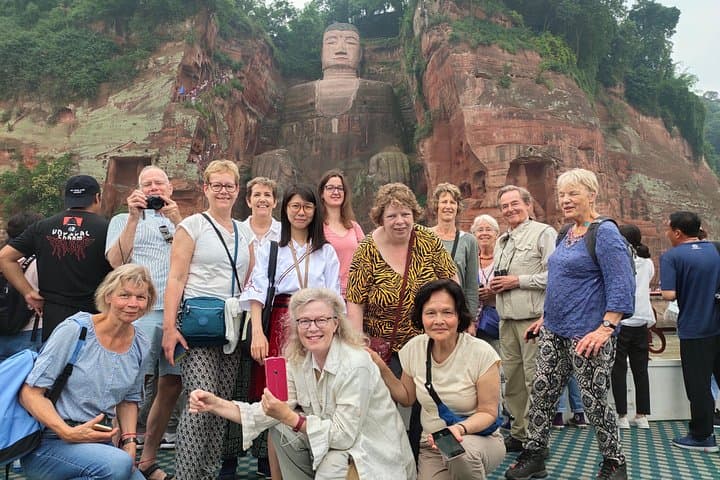
You step out of the vehicle onto a humid Sichuan morning and the river ahead seems to dare you to cross its calm surface. From the rim trail, the Leshan Giant Buddha’s head rises over the trees in a slow, monumental reveal — coiled hair carved into stone and an expression that has watched the confluence of rivers for more than a millennium.
Verified experiences and guided adventures in the surrounding area.
Operated by Samtour of Chengdu OTC Travel · Leshan, Sichuan
You step out of the vehicle onto a humid Sichuan morning and the river ahead seems to dare you to cross its calm surface. From the rim trail, the Leshan Giant Buddha’s head rises over the trees in a slow, monumental reveal — coiled hair carved into stone and an expression that has watched the confluence of rivers for more than a millennium.
Constructed during the Tang dynasty (713–803) by the monk Hai Tong, the statue was engineered both as a devotional object and a hydraulic intervention; its channels reduce erosion from the Min and Dadu rivers. The surrounding complex—Lingyun Temple behind the head and smaller shrines along the route—offers carved reliefs and courtyards that speak to regional Buddhist practice and a history of pilgrimage.
Geologically, the site sits on red siltstone cliffs formed by river deposits; expect steep stone steps and terraces hewn into the face. Local culture is present in vendors selling tea and baozi, and you’ll notice the cadence of chant mingled with boat horns on the water.
Practically: plan for 6–8 hours for round-trip transport from Chengdu, a temple walk of roughly 30–90 minutes depending on stops, and optional boat rides for riverside perspectives. Wear grippy shoes for uneven stairs, carry water, and bring modest clothing for temple entry. If you visit in shoulder seasons you’ll avoid peak crowds on the bank; midday summer visits can be hot and humid. A private guide and transport streamline logistics, letting you focus on the carvings and the river that keeps pushing forward beneath the Buddha’s gaze.
Expect about a two-hour drive each way depending on traffic; your private transport handles pickup and drop-off.
Yes — the standard tour includes a Chinese lunch at a popular local restaurant along the route.
Yes, river cruises are available at additional cost and give the clearest frontal views of the statue.
Some areas have steep stairs; while parts of the complex are stroller-friendly, access to the best viewpoints requires stair descent.
Samtour of Chengdu OTC Travel operates guided outdoor trips and adventures with an emphasis on safety, stewardship, and memorable experiences.
You step out of the vehicle onto a humid Sichuan morning and the river ahead seems to dare you to cross its calm surface. From the rim trail, the Leshan Giant Buddha’s head rises over the trees in a slow, monumental reveal — coiled hair carved into stone and an expression that has watched the confluence of rivers for more than a millennium.
You step out of the vehicle onto a humid Sichuan morning and the river ahead seems to dare you to cross its calm surface. From the rim trail, the Leshan Giant Buddha’s head rises over the trees in a slow, monumental reveal — coiled hair carved into stone and an expression that has watched the confluence of rivers for more than a millennium.
Constructed during the Tang dynasty (713–803) by the monk Hai Tong, the statue was engineered both as a devotional object and a hydraulic intervention; its channels reduce erosion from the Min and Dadu rivers. The surrounding complex—Lingyun Temple behind the head and smaller shrines along the route—offers carved reliefs and courtyards that speak to regional Buddhist practice and a history of pilgrimage.
Geologically, the site sits on red siltstone cliffs formed by river deposits; expect steep stone steps and terraces hewn into the face. Local culture is present in vendors selling tea and baozi, and you’ll notice the cadence of chant mingled with boat horns on the water.
Practically: plan for 6–8 hours for round-trip transport from Chengdu, a temple walk of roughly 30–90 minutes depending on stops, and optional boat rides for riverside perspectives. Wear grippy shoes for uneven stairs, carry water, and bring modest clothing for temple entry. If you visit in shoulder seasons you’ll avoid peak crowds on the bank; midday summer visits can be hot and humid. A private guide and transport streamline logistics, letting you focus on the carvings and the river that keeps pushing forward beneath the Buddha’s gaze.