THE ADVENTURE COLLECTIVE® · Independent discovery and booking for outdoor travel

This two-day tour pairs the colossal Leshan Giant Buddha with the misted temples and ridgelines of Emei Mountain. Expect a mix of short hikes, cable-car ascent, tea culture, and layered landscapes across Sichuan’s historic heart.
This two-day tour pairs the colossal Leshan Giant Buddha with the misted temples and ridgelines of Emei Mountain. Expect a mix of short hikes, cable-car ascent, tea culture, and layered landscapes across Sichuan’s historic heart.
You step off an air-conditioned van into orange light striking a cliff face—the Leshan Giant Buddha looms where three rivers dare each other beneath its feet. The stone giant, carved during the Tang dynasty, watches the Min and Dadu Rivers push stubbornly onward while the city noise slips away.
Verified experiences and guided adventures in the surrounding area.
Operated by MyPandaTours · Leshan, Sichuan
You step off an air-conditioned van into orange light striking a cliff face—the Leshan Giant Buddha looms where three rivers dare each other beneath its feet. The stone giant, carved during the Tang dynasty, watches the Min and Dadu Rivers push stubbornly onward while the city noise slips away.
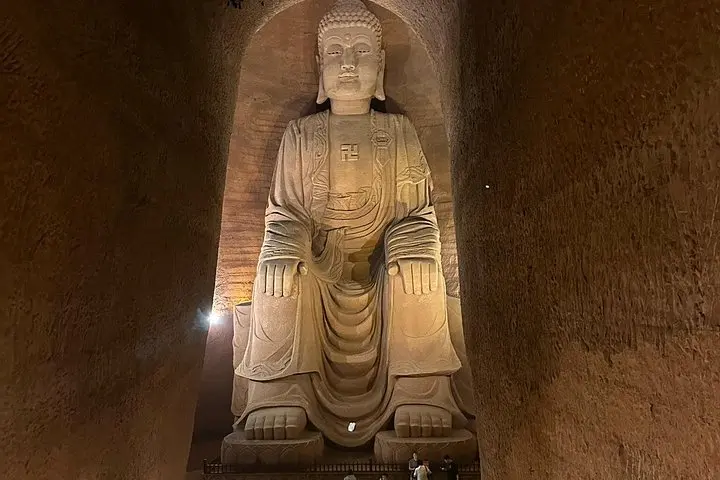
Day one moves from a Pengzhen teahouse—where tea steam and local conversation set the tone—into the shadow of the 71-metre statue and the intimate courtyards of Oriental Buddha Park. The next morning, Emei Mountain rises with forested switchbacks and temple roofs peeking through cloud. Geologically, the cliffs are Cretaceous red bed sandstones that have weathered into steep faces and narrow gullies; ecologically, Emei hosts mixed evergreen and broadleaf forests and endemic understory plants.
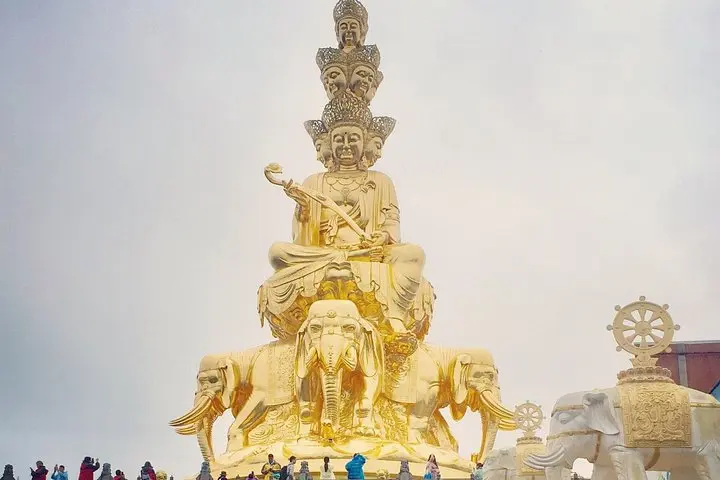
Culturally the route threads Buddhist pilgrimage, centuries-old monastic sites and Sichuan tea culture: expect temple bells, incense, and stairs worn smooth by generations. The cable car to Golden Summit shortens the ascent but keeps the reward—a wide alpine platform with panoramic ridgelines and, on clear days, views back toward the Buddha.
Practical guidance: bring sturdy shoes, layers for rapid temperature change at altitude, and water for the hike sections. Plan early starts to avoid crowds at Leshan and midday fog at Emei’s summit. If you opt out of the cable car, allow extra time and modest fitness for stepped trails. Respect temple etiquette—quiet voices, modest dress—and buy tickets or confirm inclusions ahead if you want skip-the-line access.
Expect short walks and stair climbs at Leshan and a moderate uphill hike at Emei; the cable car can replace much of the ascent.
Some packages include attraction tickets and the cable car if you book the all-inclusive option—confirm at booking to avoid surprises.
Yes; the tour is suitable for a wide range of ages, but children and older travelers should plan for stairs and opt for the cable car if mobility is limited.
Some departures include an English-speaking guide in the all-inclusive option—verify availability when you book.
MyPandaTours operates guided outdoor trips and adventures with an emphasis on safety, stewardship, and memorable experiences.

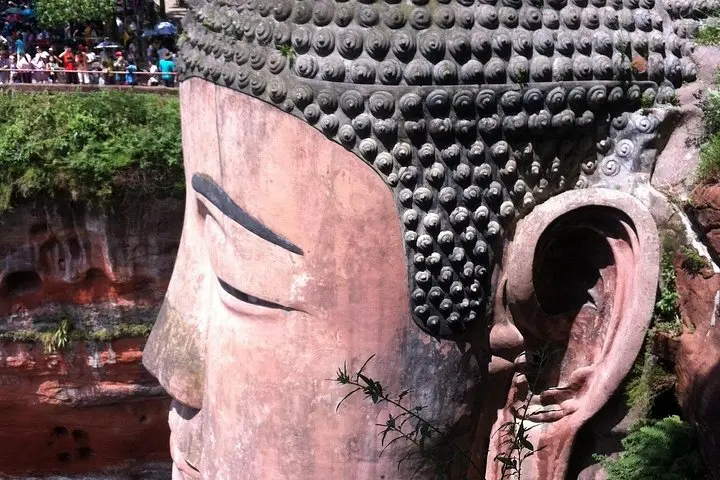
You step off an air-conditioned van into orange light striking a cliff face—the Leshan Giant Buddha looms where three rivers dare each other beneath its feet. The stone giant, carved during the Tang dynasty, watches the Min and Dadu Rivers push stubbornly onward while the city noise slips away.
You step off an air-conditioned van into orange light striking a cliff face—the Leshan Giant Buddha looms where three rivers dare each other beneath its feet. The stone giant, carved during the Tang dynasty, watches the Min and Dadu Rivers push stubbornly onward while the city noise slips away.
Day one moves from a Pengzhen teahouse—where tea steam and local conversation set the tone—into the shadow of the 71-metre statue and the intimate courtyards of Oriental Buddha Park. The next morning, Emei Mountain rises with forested switchbacks and temple roofs peeking through cloud. Geologically, the cliffs are Cretaceous red bed sandstones that have weathered into steep faces and narrow gullies; ecologically, Emei hosts mixed evergreen and broadleaf forests and endemic understory plants.
Culturally the route threads Buddhist pilgrimage, centuries-old monastic sites and Sichuan tea culture: expect temple bells, incense, and stairs worn smooth by generations. The cable car to Golden Summit shortens the ascent but keeps the reward—a wide alpine platform with panoramic ridgelines and, on clear days, views back toward the Buddha.
Practical guidance: bring sturdy shoes, layers for rapid temperature change at altitude, and water for the hike sections. Plan early starts to avoid crowds at Leshan and midday fog at Emei’s summit. If you opt out of the cable car, allow extra time and modest fitness for stepped trails. Respect temple etiquette—quiet voices, modest dress—and buy tickets or confirm inclusions ahead if you want skip-the-line access.