THE ADVENTURE COLLECTIVE® · Independent discovery and booking for outdoor travel

A private day tour from Chengdu brings you to the 71‑meter Leshan Giant Buddha and Tang‑era Lingyun Temple. Expect a mix of cliffside vistas, river views, and cultural depth with a practical, easy‑paced itinerary.
A private day tour from Chengdu brings you to the 71‑meter Leshan Giant Buddha and Tang‑era Lingyun Temple. Expect a mix of cliffside vistas, river views, and cultural depth with a practical, easy‑paced itinerary.
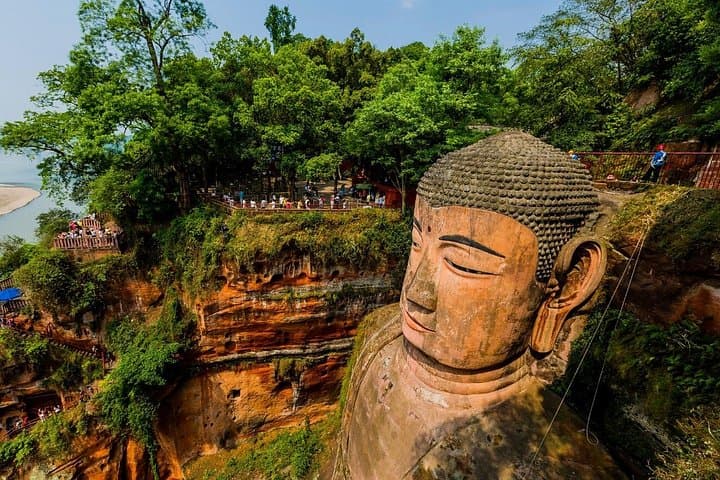
You arrive before the city hum — a two‑hour motorway unwind from Chengdu, trees thinning to limestone ridges where three rivers conspire. The Leshan Giant Buddha sits carved into the cliff, a stone colossus facing the water; river currents seem to circle with purpose, daring visitors to match their steady patience.
Verified experiences and guided adventures in the surrounding area.
Operated by China Travel Service · Leshan, Sichuan
You arrive before the city hum — a two‑hour motorway unwind from Chengdu, trees thinning to limestone ridges where three rivers conspire. The Leshan Giant Buddha sits carved into the cliff, a stone colossus facing the water; river currents seem to circle with purpose, daring visitors to match their steady patience.
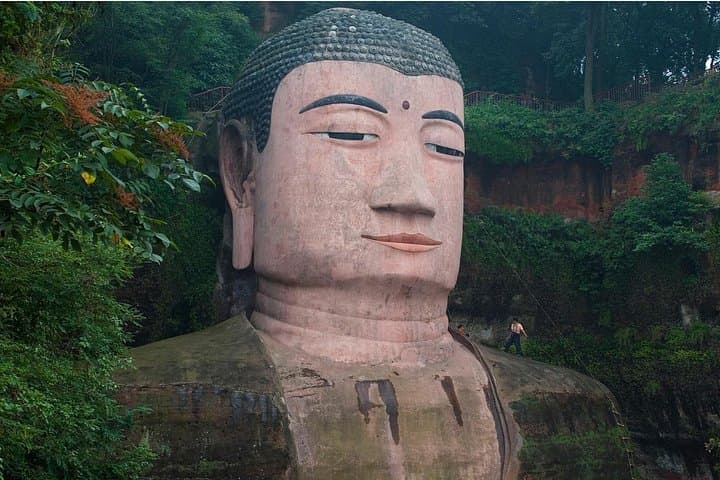
Carved beginning in A.D. 713, the Buddha stands about 71 meters high, its head roughly 14.7 meters tall. The sculpture’s coiled hair and an ancient drainage system speak to Tang‑dynasty engineering as much as devotional ambition. Across the terrace, Lingyun Temple perches on a slope, a quieter counterpoint where monks and pilgrims have left calligraphy and poems for centuries.
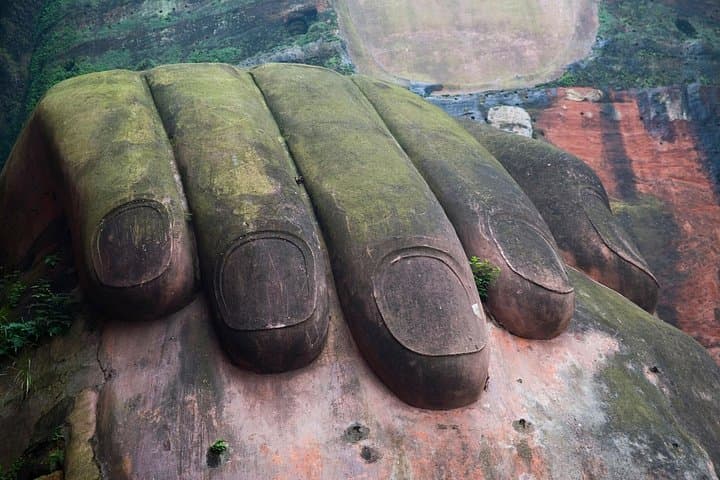
Geology here is river‑shaped: red sandstones and conglomerates eroded into steep cliffs, with the Min, Qingyi and Dadu Rivers meeting at the Buddha’s feet. Cultural layers are visible in stone and ritual — clan flags, temple incense, and inscriptions by literati who praised the site through the ages.
Practical side: plan 6–8 hours for door‑to‑door, expect steps and viewpoints rather than strenuous hiking. Morning departures beat the tour buses; bring water, sun protection and a camera with a wide lens if you want the full head‑to‑toe shot. Boats offer low‑angle views and softer light at midday, while temple courtyards reward quieter mid‑afternoon visits.
Wear comfortable shoes, carry cash for small offerings and snacks, and allow time for traffic back to Chengdu. The experience balances monumental scale with human touches — stone that still feels warm from centuries of attention.
Typical driving time is up to two hours each way depending on traffic, making this a full‑day excursion.
This tour’s price includes entrance fees to Leshan Giant Buddha and Lingyun Temple as stated in the inclusions.
Yes—infants must sit on an adult’s lap; please note accessibility can be limited on steep paths and steps.
Boat rides are commonly available and often recommended for the best low‑angle views; confirm availability with your guide on the day.
China Travel Service operates guided outdoor trips and adventures with an emphasis on safety, stewardship, and memorable experiences.
You arrive before the city hum — a two‑hour motorway unwind from Chengdu, trees thinning to limestone ridges where three rivers conspire. The Leshan Giant Buddha sits carved into the cliff, a stone colossus facing the water; river currents seem to circle with purpose, daring visitors to match their steady patience.
You arrive before the city hum — a two‑hour motorway unwind from Chengdu, trees thinning to limestone ridges where three rivers conspire. The Leshan Giant Buddha sits carved into the cliff, a stone colossus facing the water; river currents seem to circle with purpose, daring visitors to match their steady patience.
Carved beginning in A.D. 713, the Buddha stands about 71 meters high, its head roughly 14.7 meters tall. The sculpture’s coiled hair and an ancient drainage system speak to Tang‑dynasty engineering as much as devotional ambition. Across the terrace, Lingyun Temple perches on a slope, a quieter counterpoint where monks and pilgrims have left calligraphy and poems for centuries.
Geology here is river‑shaped: red sandstones and conglomerates eroded into steep cliffs, with the Min, Qingyi and Dadu Rivers meeting at the Buddha’s feet. Cultural layers are visible in stone and ritual — clan flags, temple incense, and inscriptions by literati who praised the site through the ages.
Practical side: plan 6–8 hours for door‑to‑door, expect steps and viewpoints rather than strenuous hiking. Morning departures beat the tour buses; bring water, sun protection and a camera with a wide lens if you want the full head‑to‑toe shot. Boats offer low‑angle views and softer light at midday, while temple courtyards reward quieter mid‑afternoon visits.
Wear comfortable shoes, carry cash for small offerings and snacks, and allow time for traffic back to Chengdu. The experience balances monumental scale with human touches — stone that still feels warm from centuries of attention.