THE ADVENTURE COLLECTIVE® · Independent discovery and booking for outdoor travel

A private, accessible levada walk from the Rabaçal descent leads to lakes and waterfalls, including the striking Lagoa Dona Beja. This short 6.8 km route combines easy walking, endemic flora, and dramatic valley views—ideal for half-day exploration from Funchal.
A private, accessible levada walk from the Rabaçal descent leads to lakes and waterfalls, including the striking Lagoa Dona Beja. This short 6.8 km route combines easy walking, endemic flora, and dramatic valley views—ideal for half-day exploration from Funchal.
You step off the narrow lane and the air changes—cooler, damp, scented by heather and laurel. The trail begins at the descent toward Rabaçal, where the levada towpath carves a quiet line through dense shrub and chest-high heather (urze) and the Uveira da Serra. Water accompanies the walk, sometimes a ribbon tucked against the stone, sometimes a roar where streams drop into small waterfalls that feed Lagoa Dona Beja and the Lagoa do Vento.
Verified experiences and guided adventures in the surrounding area.
Operated by Pearl of the Atlantic · Funchal, Madeira
You step off the narrow lane and the air changes—cooler, damp, scented by heather and laurel. The trail begins at the descent toward Rabaçal, where the levada towpath carves a quiet line through dense shrub and chest-high heather (urze) and the Uveira da Serra. Water accompanies the walk, sometimes a ribbon tucked against the stone, sometimes a roar where streams drop into small waterfalls that feed Lagoa Dona Beja and the Lagoa do Vento.
Madeira’s levadas are 16th-century irrigation engineering made persistent: granite channels that carried mountain runoff to terraced fields. Geologically this stretch sits on volcanic basalt sculpted by erosion, giving steep-sided valleys and hairline waterfalls. Locals historically tended these channels and the cattle that still graze on the plateau; on a good day you’ll hear endemic birds and the distant bell of a cow.
The Levada Alecrim route is roughly 6.8 km round trip and mostly level—designed for irrigation—so expect gentle grades rather than steep climbs. Allow 1–2 hours walking time; private pickup from Funchal makes timing flexible. Wear grippy shoes for narrow, often wet paths, and bring a lightweight rain shell and 1–2 liters of water.
Morning light softens the valley and eases crowds; late afternoon brings richer colors but cooler air. Your guide will point out endemic flora and the best viewpoints for Lagoa Dona Beja. Respect the levada edge: the path is narrow, and weather turns quickly here. With basic footwear and sensible layers, this is a rewarding half-day that pairs geological curiosity with easy-access waterfalls and lakes.
The route is about 6.8 km round trip; most groups complete it in 1–2 hours depending on stops.
Yes—it's largely level with minor ups and downs, but children should be supervised along narrow levada edges.
Bring at least 1 liter of water and a light snack; there are no reliable services on the trail itself.
Operators run in most weather conditions, but sections become slippery—waterproof footwear and caution are advised.
Pearl of the Atlantic operates guided outdoor trips and adventures with an emphasis on safety, stewardship, and memorable experiences.
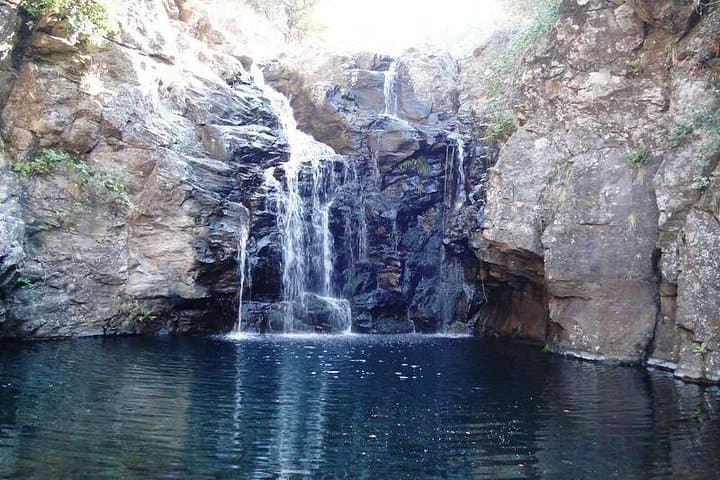
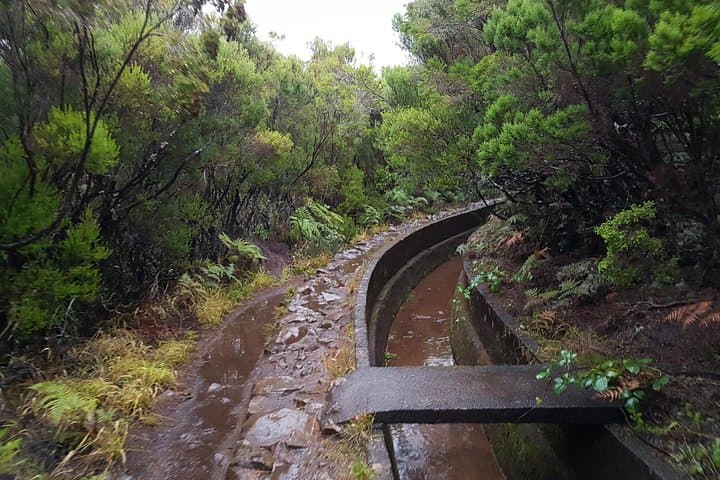
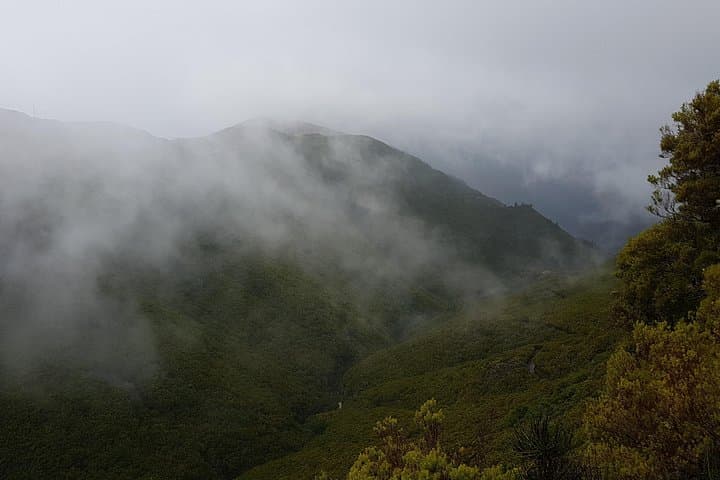
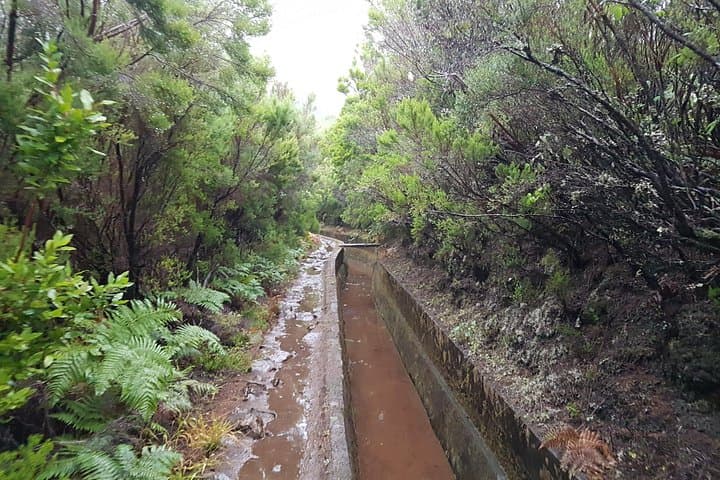
You step off the narrow lane and the air changes—cooler, damp, scented by heather and laurel. The trail begins at the descent toward Rabaçal, where the levada towpath carves a quiet line through dense shrub and chest-high heather (urze) and the Uveira da Serra. Water accompanies the walk, sometimes a ribbon tucked against the stone, sometimes a roar where streams drop into small waterfalls that feed Lagoa Dona Beja and the Lagoa do Vento.
You step off the narrow lane and the air changes—cooler, damp, scented by heather and laurel. The trail begins at the descent toward Rabaçal, where the levada towpath carves a quiet line through dense shrub and chest-high heather (urze) and the Uveira da Serra. Water accompanies the walk, sometimes a ribbon tucked against the stone, sometimes a roar where streams drop into small waterfalls that feed Lagoa Dona Beja and the Lagoa do Vento.
Madeira’s levadas are 16th-century irrigation engineering made persistent: granite channels that carried mountain runoff to terraced fields. Geologically this stretch sits on volcanic basalt sculpted by erosion, giving steep-sided valleys and hairline waterfalls. Locals historically tended these channels and the cattle that still graze on the plateau; on a good day you’ll hear endemic birds and the distant bell of a cow.
The Levada Alecrim route is roughly 6.8 km round trip and mostly level—designed for irrigation—so expect gentle grades rather than steep climbs. Allow 1–2 hours walking time; private pickup from Funchal makes timing flexible. Wear grippy shoes for narrow, often wet paths, and bring a lightweight rain shell and 1–2 liters of water.
Morning light softens the valley and eases crowds; late afternoon brings richer colors but cooler air. Your guide will point out endemic flora and the best viewpoints for Lagoa Dona Beja. Respect the levada edge: the path is narrow, and weather turns quickly here. With basic footwear and sensible layers, this is a rewarding half-day that pairs geological curiosity with easy-access waterfalls and lakes.