THE ADVENTURE COLLECTIVE® · Independent discovery and booking for outdoor travel

Walk a living irrigation channel from the glass cliff of Cabo Girão through the cultivated terraces of Quinta Grande to Campanário. This 6 km levada tour combines dramatic coastal geology with the island’s agricultural history—ideal for walkers wanting a steady-paced, scenic outing.
Walk a living irrigation channel from the glass cliff of Cabo Girão through the cultivated terraces of Quinta Grande to Campanário. This 6 km levada tour combines dramatic coastal geology with the island’s agricultural history—ideal for walkers wanting a steady-paced, scenic outing.
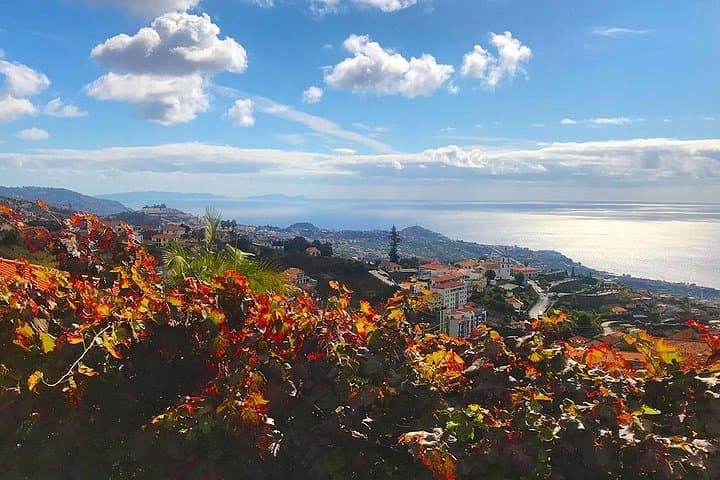
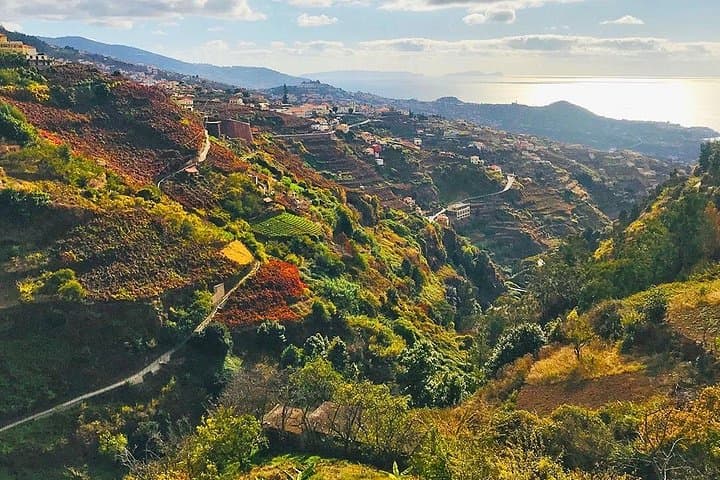
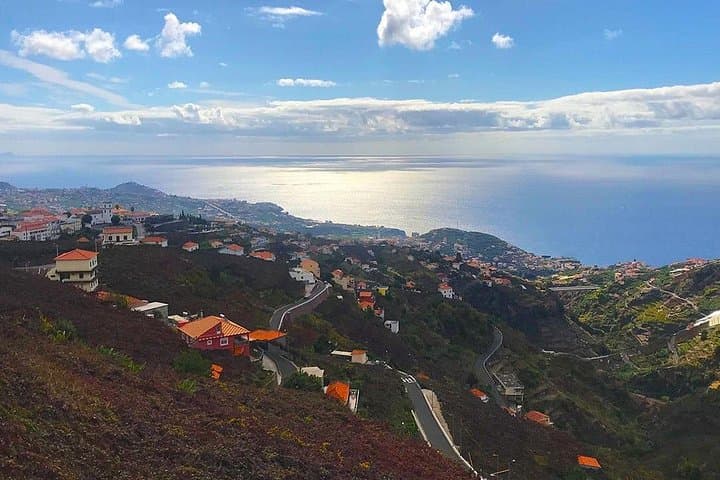
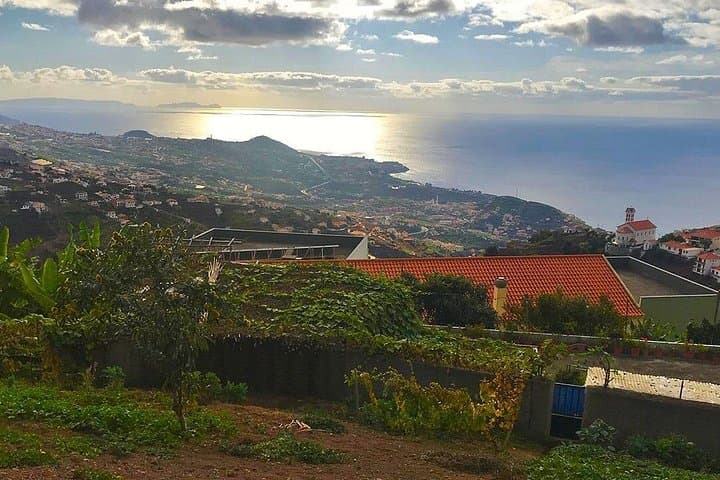
You step onto the narrow path at Cabo Girão and the island opens like a map: terraces stacked into the cliff, a ribbon of water in the levada that hushes underfoot, and the ocean pushing blue against the horizon.
Verified experiences and guided adventures in the surrounding area.
Operated by Lido Tours · Câmara de Lobos, Madeira
You step onto the narrow path at Cabo Girão and the island opens like a map: terraces stacked into the cliff, a ribbon of water in the levada that hushes underfoot, and the ocean pushing blue against the horizon.
This walk follows a working irrigation channel—Levada do Norte—one of Madeira’s longest levadas, cut into volcanic rock to ferry precious freshwater from high ravines to the south coast. Geology here is raw: basalt cliffs rise steep and sheer, soil clings to ledges and human hands have shaped farming plots into every available slope. Village houses in Quinta Grande and Campanário bear the island’s rural imprint—dry stone walls, small vineyards, and the quiet work of field terraces.
Culturally, levadas are both utility and social artery: they enabled agriculture on an island of steep relief and remain a daily presence in local life. Expect short stone culverts, narrow stretches where the channel runs close to the path, and cultivated plots showing traditional crops.
Practical guidance: the advertised walk is ~6 km and generally gentle in elevation but includes exposed sections and uneven footing—allow 2–3 hours at an easy pace. Wear sturdy walking shoes, bring 1–2 liters of water, sun protection, and a light layer for wind off the cliff. Morning light is best for views and cooler conditions. Trails can be slick after rain; keep to the guide’s route and respect private fields. The tour typically includes air-conditioned transfer to the trailhead.
The tour covers about 6 km and is rated easy—largely flat along the levada but with narrow and uneven sections; plan for 2–3 hours.
Yes—operators list it as suitable for most fitness levels, but children and those with balance issues should take care on exposed ledges and may prefer to stay close to the guide.
Walks can be cancelled for bad weather; paths get slippery and exposed sections are riskier—check the cancellation policy and bring waterproof layers.
Yes—this tour typically includes air-conditioned transfer to and from the trailhead as part of the booking.
Lido Tours operates guided outdoor trips and adventures with an emphasis on safety, stewardship, and memorable experiences.
You step onto the narrow path at Cabo Girão and the island opens like a map: terraces stacked into the cliff, a ribbon of water in the levada that hushes underfoot, and the ocean pushing blue against the horizon.
You step onto the narrow path at Cabo Girão and the island opens like a map: terraces stacked into the cliff, a ribbon of water in the levada that hushes underfoot, and the ocean pushing blue against the horizon.
This walk follows a working irrigation channel—Levada do Norte—one of Madeira’s longest levadas, cut into volcanic rock to ferry precious freshwater from high ravines to the south coast. Geology here is raw: basalt cliffs rise steep and sheer, soil clings to ledges and human hands have shaped farming plots into every available slope. Village houses in Quinta Grande and Campanário bear the island’s rural imprint—dry stone walls, small vineyards, and the quiet work of field terraces.
Culturally, levadas are both utility and social artery: they enabled agriculture on an island of steep relief and remain a daily presence in local life. Expect short stone culverts, narrow stretches where the channel runs close to the path, and cultivated plots showing traditional crops.
Practical guidance: the advertised walk is ~6 km and generally gentle in elevation but includes exposed sections and uneven footing—allow 2–3 hours at an easy pace. Wear sturdy walking shoes, bring 1–2 liters of water, sun protection, and a light layer for wind off the cliff. Morning light is best for views and cooler conditions. Trails can be slick after rain; keep to the guide’s route and respect private fields. The tour typically includes air-conditioned transfer to the trailhead.