THE ADVENTURE COLLECTIVE® · Independent discovery and booking for outdoor travel

Explore the Isle of Lewis in a private 4–6 hour tour that links Callanish’s ancient stones, Lews Castle’s Victorian history, and the windswept Butt of Lewis. Expect rugged coastlines, local culture, and flexible stops tailored to your interests.
Explore the Isle of Lewis in a private 4–6 hour tour that links Callanish’s ancient stones, Lews Castle’s Victorian history, and the windswept Butt of Lewis. Expect rugged coastlines, local culture, and flexible stops tailored to your interests.
You step out of the minivan into an Atlantic wind that pushes the story of these islands across your face — peat smoke, salt, and the hollow call of seabirds. The driver closes the door and the landscape opens: low machair, blackhouse roofs, and a solitary standing stone rising from the machair like a question left by another era.
Verified experiences and guided adventures in the surrounding area.
Operated by Hebridean Life Tours · Stornoway, Outer Hebrides
You step out of the minivan into an Atlantic wind that pushes the story of these islands across your face — peat smoke, salt, and the hollow call of seabirds. The driver closes the door and the landscape opens: low machair, blackhouse roofs, and a solitary standing stone rising from the machair like a question left by another era.
This day tour stitches together the human history and raw geology of Lewis. The Callanish stones predate Stonehenge and speak to Bronze Age ritual landscapes; Lews Castle and the Victorian town of Stornoway trace 19th‑century industrial and social shifts, while the Butt of Lewis lighthouse marks maritime routes and the dramatic coastal weather that defines life here. Geologically, Lewis is Lewisian gneiss — among the oldest rock in Europe — worn into cliffs and pebbled bays by relentless seas.
Culturally you’ll meet Harris tweed looms, peat‑cutting traces and Gaelic place names that point to Norse and Celtic layers. Wildlife can appear unexpectedly: porpoises in a bay, or kittiwakes on a cliff face.
Practical guide: allow 4–6 hours, expect unpaved paths at archaeological sites and variable weather — bring waterproofs and windproof layers. The tour is private and flexible; communicate mobility limits when booking since some stops involve short walks over uneven ground. Morning light is best for photos at Callanish; late afternoon brings calmer seas for wildlife viewing. Pack a reusable water bottle, sturdy footwear, and respect fragile sites by staying on marked paths. With planning, this tour delivers concentrated history, coastal drama, and a real sense of island life.
Standard duration is 4–6 hours; the tour is private and can often be extended for extra fee—confirm availability when booking.
Some attractions (Lews Castle grounds and visitor centres) have accessible areas, but standing stones and beaches involve uneven terrain—report mobility needs prior to booking.
Some stops like the Blackhouse Village museum may have admission included; verify inclusions with the operator at booking.
Common sightings include porpoises, seabirds and occasional seal activity; basking sharks can appear offshore in summer but are not guaranteed.
Hebridean Life Tours operates guided outdoor trips and adventures with an emphasis on safety, stewardship, and memorable experiences.
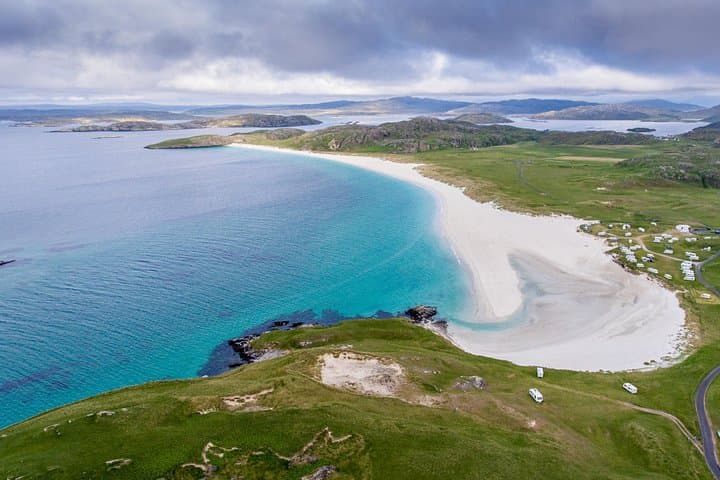


You step out of the minivan into an Atlantic wind that pushes the story of these islands across your face — peat smoke, salt, and the hollow call of seabirds. The driver closes the door and the landscape opens: low machair, blackhouse roofs, and a solitary standing stone rising from the machair like a question left by another era.
You step out of the minivan into an Atlantic wind that pushes the story of these islands across your face — peat smoke, salt, and the hollow call of seabirds. The driver closes the door and the landscape opens: low machair, blackhouse roofs, and a solitary standing stone rising from the machair like a question left by another era.
This day tour stitches together the human history and raw geology of Lewis. The Callanish stones predate Stonehenge and speak to Bronze Age ritual landscapes; Lews Castle and the Victorian town of Stornoway trace 19th‑century industrial and social shifts, while the Butt of Lewis lighthouse marks maritime routes and the dramatic coastal weather that defines life here. Geologically, Lewis is Lewisian gneiss — among the oldest rock in Europe — worn into cliffs and pebbled bays by relentless seas.
Culturally you’ll meet Harris tweed looms, peat‑cutting traces and Gaelic place names that point to Norse and Celtic layers. Wildlife can appear unexpectedly: porpoises in a bay, or kittiwakes on a cliff face.
Practical guide: allow 4–6 hours, expect unpaved paths at archaeological sites and variable weather — bring waterproofs and windproof layers. The tour is private and flexible; communicate mobility limits when booking since some stops involve short walks over uneven ground. Morning light is best for photos at Callanish; late afternoon brings calmer seas for wildlife viewing. Pack a reusable water bottle, sturdy footwear, and respect fragile sites by staying on marked paths. With planning, this tour delivers concentrated history, coastal drama, and a real sense of island life.