THE ADVENTURE COLLECTIVE® · Independent discovery and booking for outdoor travel

This intimate, two-hour walking tour of New Orleans’ French Quarter uncovers lesser-known LGBTQ history—from early gay Mardi Gras krewes to community responses after tragedy. Small groups (max 9) mean deep stories and time for questions.
This intimate, two-hour walking tour of New Orleans’ French Quarter uncovers lesser-known LGBTQ history—from early gay Mardi Gras krewes to community responses after tragedy. Small groups (max 9) mean deep stories and time for questions.
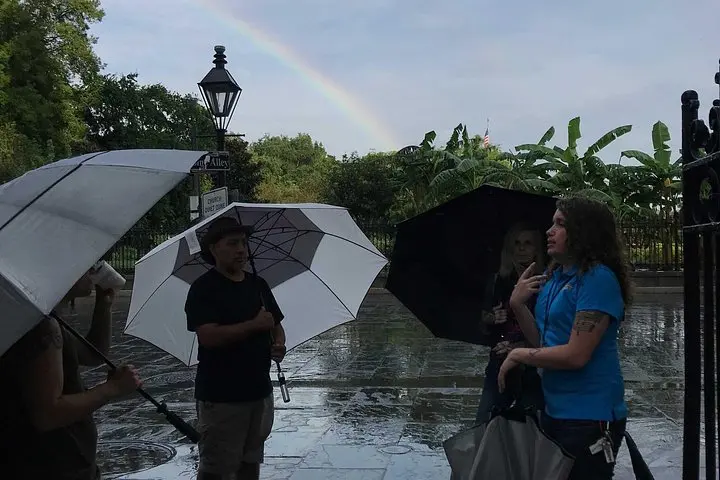
You meet on N. Rampart as the Quarter breathes—streetcars click a block away, and the air carries the scent of beignets and river-borne humidity. A guide in a bright blue polo gathers a group of nine and the city’s layered past begins to unfold with every cobblestone step.
Verified experiences and guided adventures in the surrounding area.
Operated by New Orleans Secrets Tours · New Orleans, Louisiana
You meet on N. Rampart as the Quarter breathes—streetcars click a block away, and the air carries the scent of beignets and river-borne humidity. A guide in a bright blue polo gathers a group of nine and the city’s layered past begins to unfold with every cobblestone step.
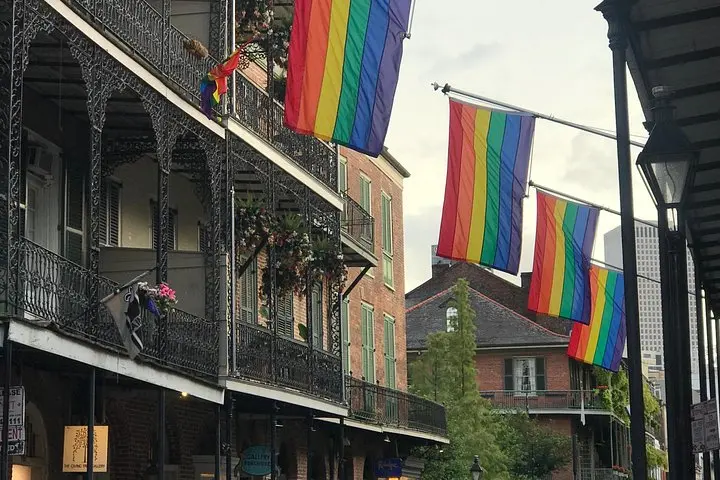
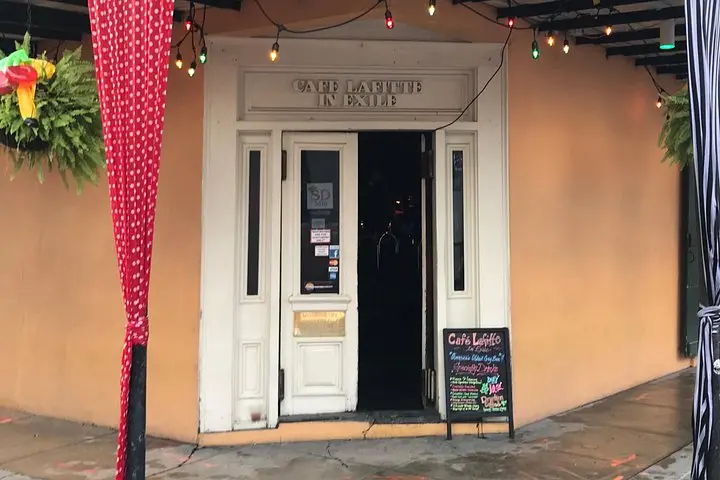
This two-hour walk traces LGBTQ lives through the Quarter’s streets: the rise of gay Mardi Gras krewes, clergy who quietly offered refuge, and the community’s response to tragedy such as the Upstairs Lounge fire. The architecture—Creole townhouses, ironwork balconies, and narrow lanes—frames the story, while the nearby Mississippi River hints at the geologic forces that shaped New Orleans’ low-lying layout and periodic fight against water.
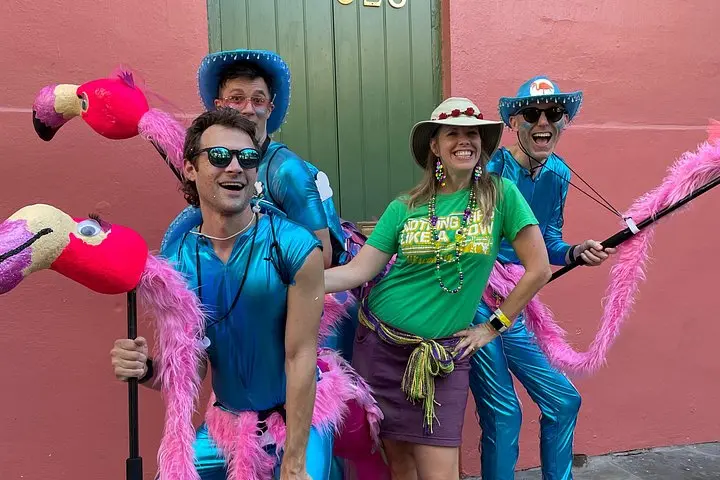
Culture here is visceral: bars that doubled as safe rooms, parade routes that became political statements, and neighborhoods where visibility changed slowly, then suddenly. Local voices and archival photos anchor the tour in real people rather than abstractions.
Practical guidance: this is a mostly flat, paved walk of about 1.5–2 miles spread over two hours with frequent stops. Small groups mean time for questions; the guide provides context and points to nearby sites you can revisit. Wear sturdy walking shoes, bring water, and plan for sun or sudden showers—shade is limited.
Accessibility notes: the route is wheelchair accessible but surfaces vary; contact the operator about specific needs. Finish points vary but often end in Jackson Square, a good place to continue exploring galleries and cafés.
The guide meets on N. Rampart between St. Philip and Ursuline — look for the guide in a bright blue polo.
Yes, the tour is listed as wheelchair accessible; contact the operator about specifics to ensure a smooth experience.
Groups are capped at nine guests to allow conversation and questions.
You can get a full refund if you cancel at least 24 hours before the scheduled departure; the operator may cancel for bad weather or low bookings.
New Orleans Secrets Tours operates guided outdoor trips and adventures with an emphasis on safety, stewardship, and memorable experiences.
You meet on N. Rampart as the Quarter breathes—streetcars click a block away, and the air carries the scent of beignets and river-borne humidity. A guide in a bright blue polo gathers a group of nine and the city’s layered past begins to unfold with every cobblestone step.
You meet on N. Rampart as the Quarter breathes—streetcars click a block away, and the air carries the scent of beignets and river-borne humidity. A guide in a bright blue polo gathers a group of nine and the city’s layered past begins to unfold with every cobblestone step.
This two-hour walk traces LGBTQ lives through the Quarter’s streets: the rise of gay Mardi Gras krewes, clergy who quietly offered refuge, and the community’s response to tragedy such as the Upstairs Lounge fire. The architecture—Creole townhouses, ironwork balconies, and narrow lanes—frames the story, while the nearby Mississippi River hints at the geologic forces that shaped New Orleans’ low-lying layout and periodic fight against water.
Culture here is visceral: bars that doubled as safe rooms, parade routes that became political statements, and neighborhoods where visibility changed slowly, then suddenly. Local voices and archival photos anchor the tour in real people rather than abstractions.
Practical guidance: this is a mostly flat, paved walk of about 1.5–2 miles spread over two hours with frequent stops. Small groups mean time for questions; the guide provides context and points to nearby sites you can revisit. Wear sturdy walking shoes, bring water, and plan for sun or sudden showers—shade is limited.
Accessibility notes: the route is wheelchair accessible but surfaces vary; contact the operator about specific needs. Finish points vary but often end in Jackson Square, a good place to continue exploring galleries and cafés.