THE ADVENTURE COLLECTIVE® · Independent discovery and booking for outdoor travel

From Potala’s stone steps to Rongbuk’s prayer flags, this eight-day overland journey threads Lhasa’s monasteries and Himalayan passes to reach Everest Base Camp. Expect high-altitude vistas, cultural landmarks, and practical logistics that make the plateau accessible to prepared travelers.
From Potala’s stone steps to Rongbuk’s prayer flags, this eight-day overland journey threads Lhasa’s monasteries and Himalayan passes to reach Everest Base Camp. Expect high-altitude vistas, cultural landmarks, and practical logistics that make the plateau accessible to prepared travelers.
The van hums away from Potala Palace before dawn, headlights cutting across the wide Yarlung Tsangpo as it pushes through the valley like a slow, deliberate animal. On the first morning in Lhasa, prayer flags flutter on Barkhor Street and the air tastes of butter tea and incense; eight days later you will be standing above 5,000 meters with Everest's south face looming like a folded sheet of stone. This is not a climb but a traverse of changing altitudes, temple courtyards and glacial passes—the kind of trip that asks for patience and repays it with uncluttered, enormous views.
Verified experiences and guided adventures in the surrounding area.
Operated by Zhuoma Tour · Lhasa, Tibet Autonomous Region
The van hums away from Potala Palace before dawn, headlights cutting across the wide Yarlung Tsangpo as it pushes through the valley like a slow, deliberate animal. On the first morning in Lhasa, prayer flags flutter on Barkhor Street and the air tastes of butter tea and incense; eight days later you will be standing above 5,000 meters with Everest's south face looming like a folded sheet of stone. This is not a climb but a traverse of changing altitudes, temple courtyards and glacial passes—the kind of trip that asks for patience and repays it with uncluttered, enormous views.
The route itself is history and geology in motion. Lhasa’s Potala Palace and Jokhang Temple mark the spiritual center of Tibetan Buddhism; the trip south through Gyantse and Shigatse moves from cultivated barley fields into broad highland plateaus carved by the uplift of the Himalaya. Karola Glacier and the ribbon lakes like Yamdrok-tso relieve the road’s austerity with bright turquoise and sudden ice. The final approach to Everest—Gawula and Gyatsola passes—expose creased, ancient rock and the grey-blue sweep of glaciers that feed the region’s rivers.
Culture threads through the journey: you’ll see monks debating at Sera, pilgrims circling Jokhang, and the Panchen Lama’s seat at Tashilhunpo. At Rongbuk Monastery the human scale shifts—stone prayer wheels and tumbled prayer flags frame a view that wants to be photographed but also quietly observed. Local drivers and guides handle permits and logistics on a landscape where bureaucracy and weather can both be decisive.
Practical guidance is straightforward. Allow at least 48 hours of light activity in Lhasa for acclimatization; symptoms of altitude sickness are real and should be treated promptly. The trip mixes paved highway with high passes and a final dirt-and-gravel approach to EBC; suspension isn’t luxury—it's safety. Pack for sun and cold in the same bag: UV is intense at altitude, nights get thin and cold, and the wind will find any exposed layer.
Expect simple but functional lodging: four-star hotels in Lhasa and Shigatse, basic guesthouses or tents near Rongbuk/EBC. Weather windows matter—clear dawns give the classic Everest silhouette; storms can close visibility for days. Finally, treat the plateau with care: stay on roads, pack out non-biodegradable waste where possible, and respect monastic sites. The trip is equal parts cultural immersion and high-altitude landscape, and it rewards travelers who move slowly, listen to their guides, and keep an eye on breath and pace as much as on the horizon.
Yes—foreign visitors require Tibet Travel Permits and additional permits for military-controlled areas like Everest; your tour operator arranges these with passport details in advance.
The trip involves long drives and significant altitude gain; it’s not technical but is challenging due to thin air—moderate-to-good fitness and attention to acclimatization are key.
Accommodations near Rongbuk/EBC are basic—guesthouses and tents with simple heating; expect limited amenities compared with Lhasa’s four-star hotels.
Late spring (May–June) and early autumn (September–October) offer the clearest skies and milder conditions; monsoon and winter bring more clouds or extreme cold.
Altitude sickness can affect anyone; descend if symptoms worsen, use acetazolamide if prescribed, and seek medical help if serious signs appear such as severe breathlessness or confusion.
Local guides and hotels can usually manage common dietary needs with advance notice, but options are more limited at high-altitude guesthouses—carry snacks you trust.
Zhuoma Tour operates guided outdoor trips and adventures with an emphasis on safety, stewardship, and memorable experiences.
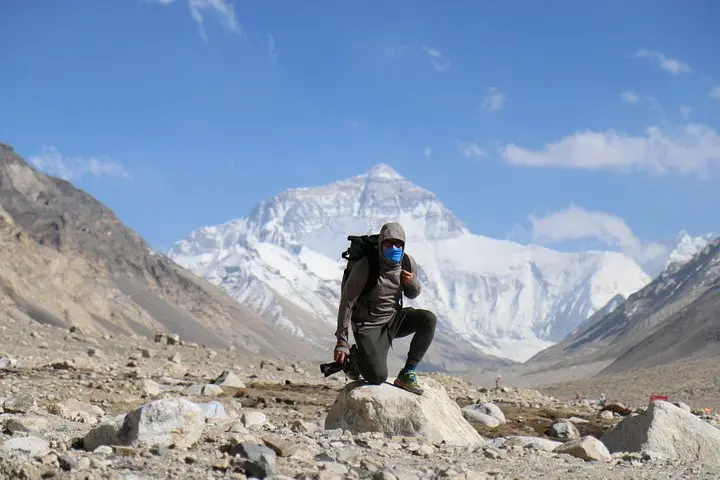
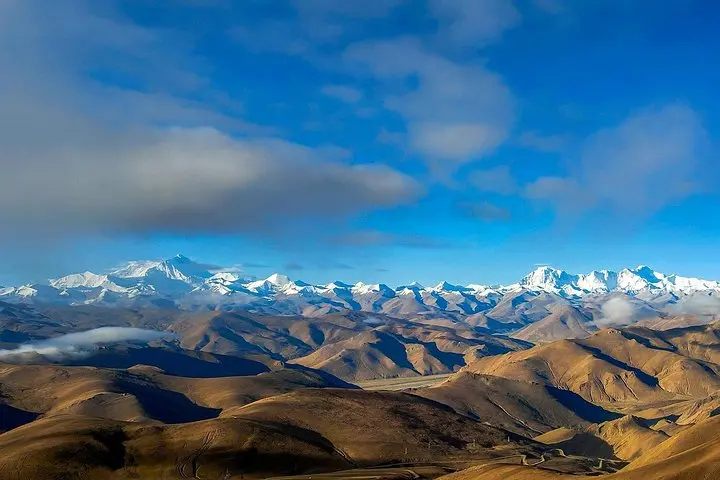
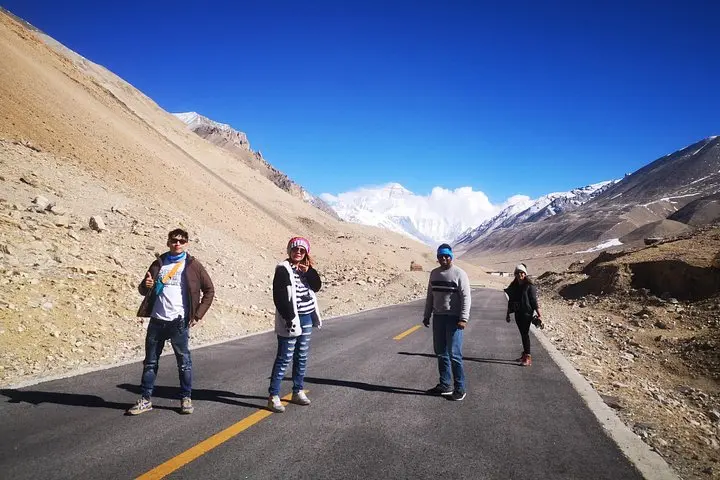
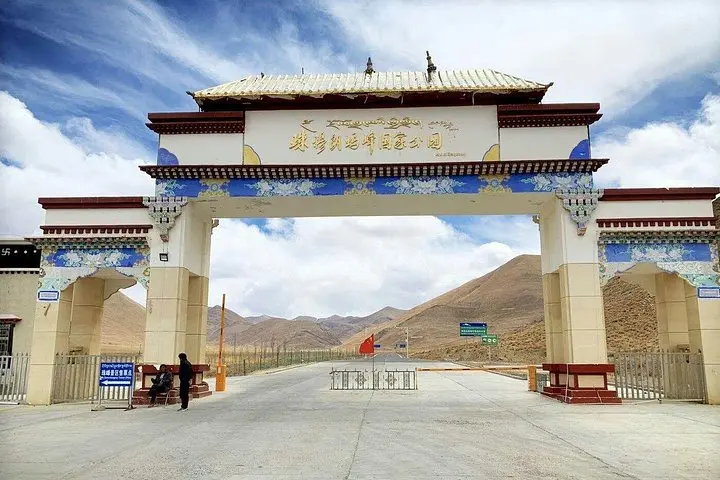
The van hums away from Potala Palace before dawn, headlights cutting across the wide Yarlung Tsangpo as it pushes through the valley like a slow, deliberate animal. On the first morning in Lhasa, prayer flags flutter on Barkhor Street and the air tastes of butter tea and incense; eight days later you will be standing above 5,000 meters with Everest's south face looming like a folded sheet of stone. This is not a climb but a traverse of changing altitudes, temple courtyards and glacial passes—the kind of trip that asks for patience and repays it with uncluttered, enormous views.
The van hums away from Potala Palace before dawn, headlights cutting across the wide Yarlung Tsangpo as it pushes through the valley like a slow, deliberate animal. On the first morning in Lhasa, prayer flags flutter on Barkhor Street and the air tastes of butter tea and incense; eight days later you will be standing above 5,000 meters with Everest's south face looming like a folded sheet of stone. This is not a climb but a traverse of changing altitudes, temple courtyards and glacial passes—the kind of trip that asks for patience and repays it with uncluttered, enormous views.
The route itself is history and geology in motion. Lhasa’s Potala Palace and Jokhang Temple mark the spiritual center of Tibetan Buddhism; the trip south through Gyantse and Shigatse moves from cultivated barley fields into broad highland plateaus carved by the uplift of the Himalaya. Karola Glacier and the ribbon lakes like Yamdrok-tso relieve the road’s austerity with bright turquoise and sudden ice. The final approach to Everest—Gawula and Gyatsola passes—expose creased, ancient rock and the grey-blue sweep of glaciers that feed the region’s rivers.
Culture threads through the journey: you’ll see monks debating at Sera, pilgrims circling Jokhang, and the Panchen Lama’s seat at Tashilhunpo. At Rongbuk Monastery the human scale shifts—stone prayer wheels and tumbled prayer flags frame a view that wants to be photographed but also quietly observed. Local drivers and guides handle permits and logistics on a landscape where bureaucracy and weather can both be decisive.
Practical guidance is straightforward. Allow at least 48 hours of light activity in Lhasa for acclimatization; symptoms of altitude sickness are real and should be treated promptly. The trip mixes paved highway with high passes and a final dirt-and-gravel approach to EBC; suspension isn’t luxury—it's safety. Pack for sun and cold in the same bag: UV is intense at altitude, nights get thin and cold, and the wind will find any exposed layer.
Expect simple but functional lodging: four-star hotels in Lhasa and Shigatse, basic guesthouses or tents near Rongbuk/EBC. Weather windows matter—clear dawns give the classic Everest silhouette; storms can close visibility for days. Finally, treat the plateau with care: stay on roads, pack out non-biodegradable waste where possible, and respect monastic sites. The trip is equal parts cultural immersion and high-altitude landscape, and it rewards travelers who move slowly, listen to their guides, and keep an eye on breath and pace as much as on the horizon.