THE ADVENTURE COLLECTIVE® · Independent discovery and booking for outdoor travel

Skip the shuttle lines and ride straight from Liberia Airport to Playa Grande with a private driver. This guide covers what to expect, local context, and practical tips to arrive ready for beach or turtle-season activities.
Skip the shuttle lines and ride straight from Liberia Airport to Playa Grande with a private driver. This guide covers what to expect, local context, and practical tips to arrive ready for beach or turtle-season activities.
You step out of the humid terminal at Daniel Oduber Quirós International and the Pacific coast seems to pull you west — a low line of palms, the glint of distant surf. A driver with a name sign meets you, slides open a clean, air-conditioned vehicle, and the road to Playa Grande begins: flat savannah giving way to black volcanic rock and coastal scrub as the coastline draws near.
Verified experiences and guided adventures in the surrounding area.
Operated by taxiGo DMC · Playa Grande, Guanacaste
You step out of the humid terminal at Daniel Oduber Quirós International and the Pacific coast seems to pull you west — a low line of palms, the glint of distant surf. A driver with a name sign meets you, slides open a clean, air-conditioned vehicle, and the road to Playa Grande begins: flat savannah giving way to black volcanic rock and coastal scrub as the coastline draws near.
The route traces Guanacaste’s recent history: cattle ranchlands turned tourism corridor, roads cut through old lava flows and mangrove estuaries that feed Las Baulas National Marine Park. The coast’s geology is simple and honest — dark basalt and volcanic sediments meeting sand — while local culture still reflects a slower pace, where fishing and turtle conservation shape schedules more than traffic lights.
Practically, expect 1¼–2½ hours depending on tides and tailwinds of traffic; the transfer is private and door-to-door, designed for travelers with surfboards or light luggage. Drivers typically provide a meet-and-greet at arrivals, basic assistance with bags, and local tips on beaches, tide times, and turtle-watching protocols.
For planning: confirm flight numbers and arrival time, allow for immigration lines, and use the driver’s contact the day before. Keep a printed or mobile voucher, note the one-luggage-per-booking allowance, and communicate special needs like child seats in advance. The road is straightforward but can be slower in heavy rains, and arriving at sunrise or late afternoon avoids peak heat and gives better coastal light for photos.
Expect about 80 to 160 minutes depending on traffic and weather; actual time varies with exact pickup/drop-off locations.
The operator accommodates sports equipment with advance notice; state dimensions at booking—standard allowance is one checked bag and one carry-on per booking.
Yes, infant and child seats are available on request — request them when booking to ensure availability.
Provide the updated flight number and contact the operator; most transfers include a set waiting period at the airport but cancellation and extra-wait policies may apply.
taxiGo DMC operates guided outdoor trips and adventures with an emphasis on safety, stewardship, and memorable experiences.
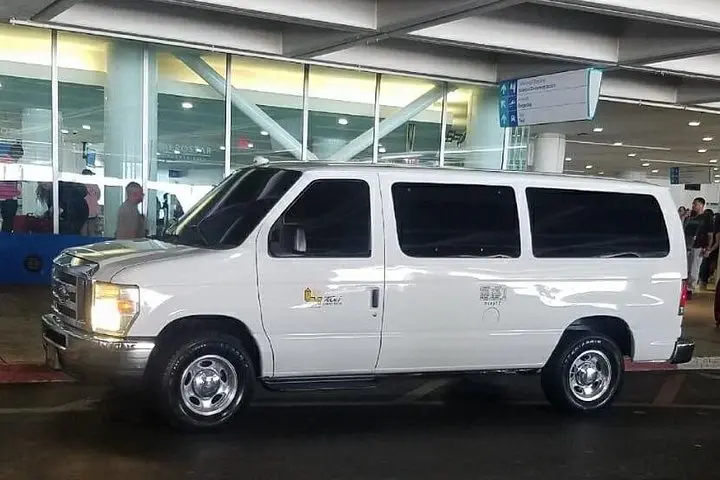
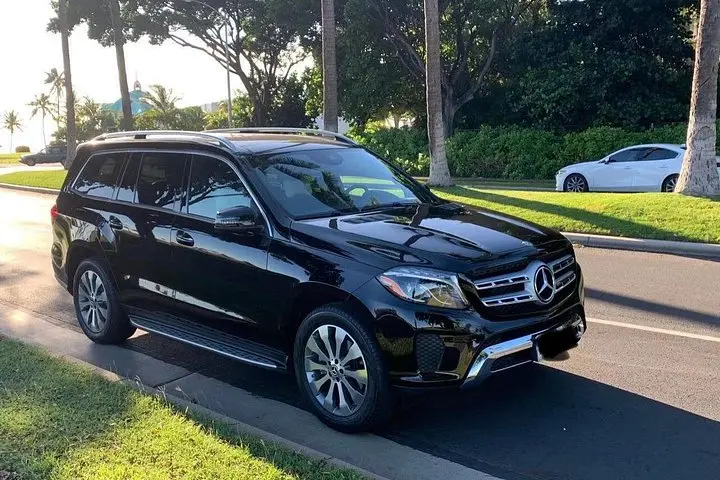
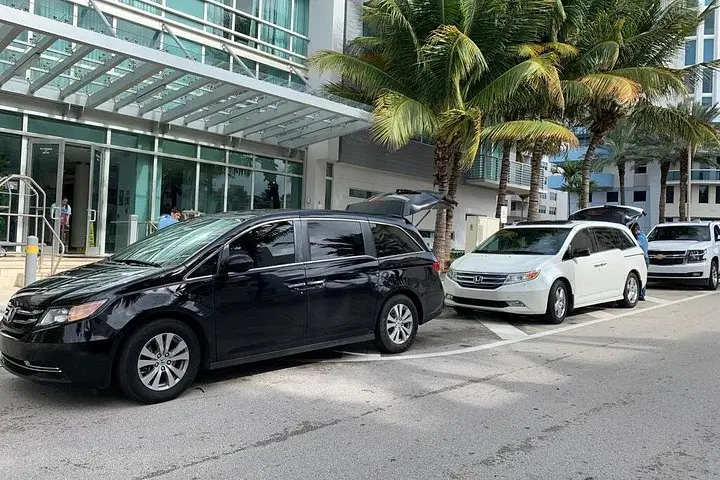
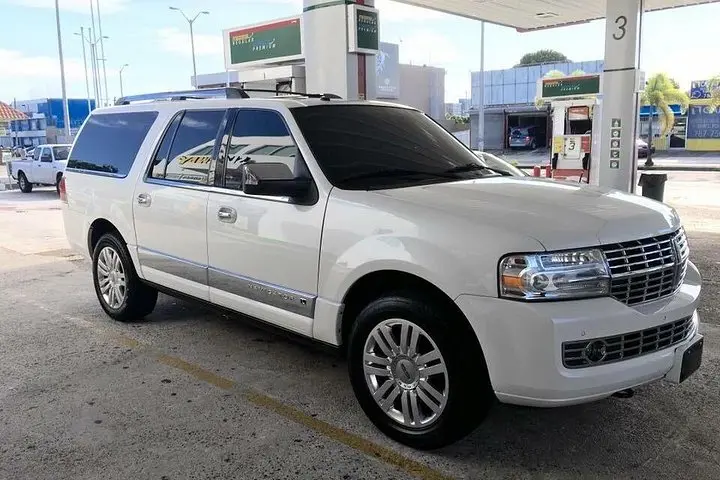
You step out of the humid terminal at Daniel Oduber Quirós International and the Pacific coast seems to pull you west — a low line of palms, the glint of distant surf. A driver with a name sign meets you, slides open a clean, air-conditioned vehicle, and the road to Playa Grande begins: flat savannah giving way to black volcanic rock and coastal scrub as the coastline draws near.
You step out of the humid terminal at Daniel Oduber Quirós International and the Pacific coast seems to pull you west — a low line of palms, the glint of distant surf. A driver with a name sign meets you, slides open a clean, air-conditioned vehicle, and the road to Playa Grande begins: flat savannah giving way to black volcanic rock and coastal scrub as the coastline draws near.
The route traces Guanacaste’s recent history: cattle ranchlands turned tourism corridor, roads cut through old lava flows and mangrove estuaries that feed Las Baulas National Marine Park. The coast’s geology is simple and honest — dark basalt and volcanic sediments meeting sand — while local culture still reflects a slower pace, where fishing and turtle conservation shape schedules more than traffic lights.
Practically, expect 1¼–2½ hours depending on tides and tailwinds of traffic; the transfer is private and door-to-door, designed for travelers with surfboards or light luggage. Drivers typically provide a meet-and-greet at arrivals, basic assistance with bags, and local tips on beaches, tide times, and turtle-watching protocols.
For planning: confirm flight numbers and arrival time, allow for immigration lines, and use the driver’s contact the day before. Keep a printed or mobile voucher, note the one-luggage-per-booking allowance, and communicate special needs like child seats in advance. The road is straightforward but can be slower in heavy rains, and arriving at sunrise or late afternoon avoids peak heat and gives better coastal light for photos.