THE ADVENTURE COLLECTIVE® · Independent discovery and booking for outdoor travel

Travel from Lima to the ancient city of Caral in the Supe Valley for a full-day look at one of the earliest urban centers in the Americas. Walk low pyramids, hear stories of coastal irrigation and return the same day with insights into preceramic civilization.
Travel from Lima to the ancient city of Caral in the Supe Valley for a full-day look at one of the earliest urban centers in the Americas. Walk low pyramids, hear stories of coastal irrigation and return the same day with insights into preceramic civilization.
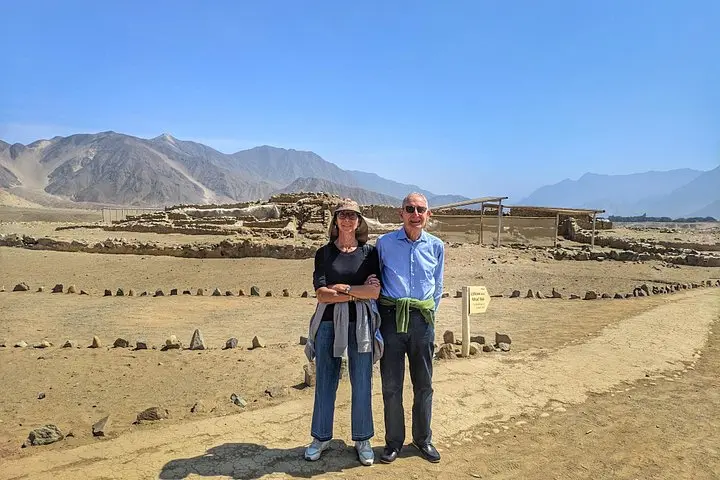
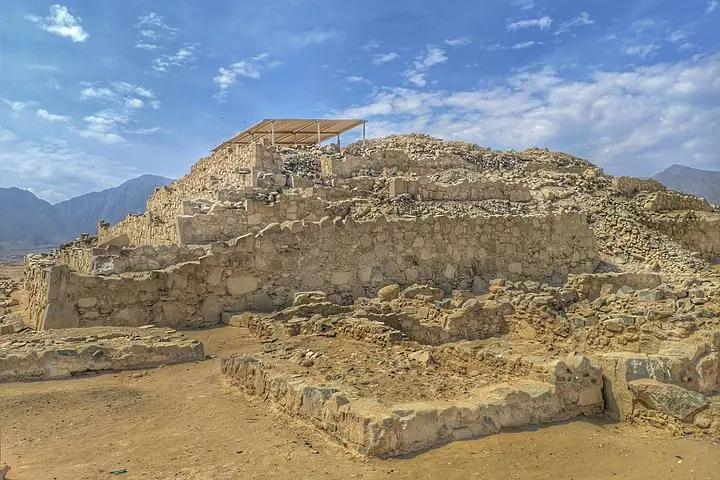
Early morning on the Pan-American Highway feels decisive — fog lifting off the desert plain, the bus threading coastal scrub toward a river valley where the earth keeps a very old secret. By late morning the low pyramids of Caral rise like earthen rooms cut from the same sand; wind scours their faces and the view opens to a wide, quiet valley where you can hear the past in the pulse of the landscape.
Verified experiences and guided adventures in the surrounding area.
Operated by Peruna · Supe, Lima Region
Early morning on the Pan-American Highway feels decisive — fog lifting off the desert plain, the bus threading coastal scrub toward a river valley where the earth keeps a very old secret. By late morning the low pyramids of Caral rise like earthen rooms cut from the same sand; wind scours their faces and the view opens to a wide, quiet valley where you can hear the past in the pulse of the landscape.
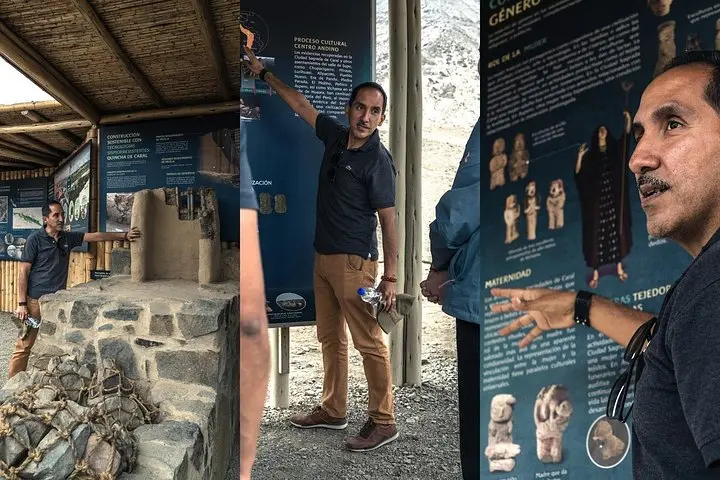
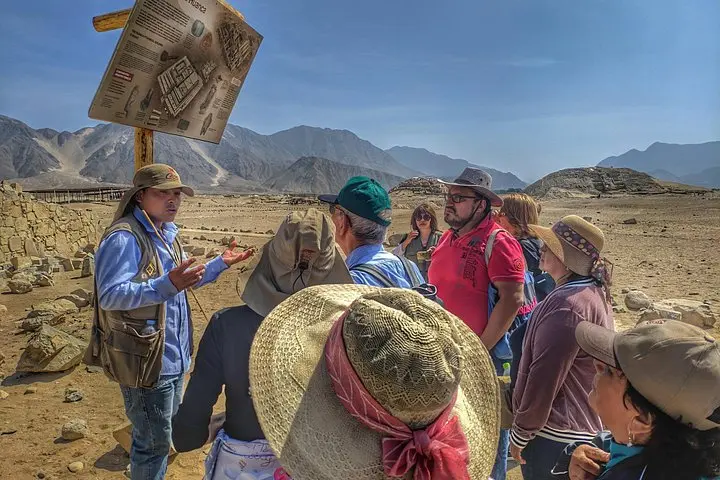
Caral is one of the oldest urban centers in the Americas, founded around 2600 BCE in the Supe Valley. Its plazas, sunken circular amphitheaters and stepped mounds reveal sophisticated planning long before ceramics spread through the region. Geology here is coastal alluvium — soft terraces shaped by ancient rivers — and the site offers a clear look at a civilization that relied on irrigated cotton and maritime resources rather than heavy agriculture. Local guides tie archaeology to contemporary coastal communities, explaining how fishing and trade shaped social complexity.
Practicalities matter: the site visit involves several hundred meters of uneven stone and packed-earth walks with short stair sections; shade is limited. Expect a full day — travel time from Lima plus three hours at the ruins — and comfortable shoes, sun protection and water will make the difference. Tours typically include round-trip transport and bilingual guides; some include entrance. Photography is excellent in the golden light of late afternoon but check your pickup schedule. For anyone curious about deep time in human society, Caral is a day that rearranges scale — small pyramids, huge implications.
Many organized day tours include the official entrance fee; confirm with the operator at booking.
Expect roughly 3–4 hours each way depending on traffic; the full experience is typically a 10–12 hour day.
Some areas and paths are relatively flat, but many mounds have steps; check with the operator for specific accessibility arrangements.
Some tours include a boxed lunch or stop in a coastal town like Barranca; verify inclusions before booking.
Peruna operates guided outdoor trips and adventures with an emphasis on safety, stewardship, and memorable experiences.
Early morning on the Pan-American Highway feels decisive — fog lifting off the desert plain, the bus threading coastal scrub toward a river valley where the earth keeps a very old secret. By late morning the low pyramids of Caral rise like earthen rooms cut from the same sand; wind scours their faces and the view opens to a wide, quiet valley where you can hear the past in the pulse of the landscape.
Early morning on the Pan-American Highway feels decisive — fog lifting off the desert plain, the bus threading coastal scrub toward a river valley where the earth keeps a very old secret. By late morning the low pyramids of Caral rise like earthen rooms cut from the same sand; wind scours their faces and the view opens to a wide, quiet valley where you can hear the past in the pulse of the landscape.
Caral is one of the oldest urban centers in the Americas, founded around 2600 BCE in the Supe Valley. Its plazas, sunken circular amphitheaters and stepped mounds reveal sophisticated planning long before ceramics spread through the region. Geology here is coastal alluvium — soft terraces shaped by ancient rivers — and the site offers a clear look at a civilization that relied on irrigated cotton and maritime resources rather than heavy agriculture. Local guides tie archaeology to contemporary coastal communities, explaining how fishing and trade shaped social complexity.
Practicalities matter: the site visit involves several hundred meters of uneven stone and packed-earth walks with short stair sections; shade is limited. Expect a full day — travel time from Lima plus three hours at the ruins — and comfortable shoes, sun protection and water will make the difference. Tours typically include round-trip transport and bilingual guides; some include entrance. Photography is excellent in the golden light of late afternoon but check your pickup schedule. For anyone curious about deep time in human society, Caral is a day that rearranges scale — small pyramids, huge implications.