THE ADVENTURE COLLECTIVE® · Independent discovery and booking for outdoor travel

Taste Lima’s culinary crossroads on a market tour through Surquillo and Surco—sample Amazon fruits, coastal ceviche and pisco while a guide traces the origins of each dish. Ideal for travelers who want history with every bite.
Taste Lima’s culinary crossroads on a market tour through Surquillo and Surco—sample Amazon fruits, coastal ceviche and pisco while a guide traces the origins of each dish. Ideal for travelers who want history with every bite.
The tour begins beneath the hum of an early Lima market: produce stalls stacked with glossy purple yacón, golden lucuma and trunks of plantain that seem to challenge you to try them. Vendors call out in quick rhythms; steam from a ceviche stall rises like a signal. Walking these alleys puts you inside a living food map where coastal ceviche, Andean tubers and Amazonian fruits meet at a single stall.
Verified experiences and guided adventures in the surrounding area.
Operated by HAKU TOURS · Lima, Lima
The tour begins beneath the hum of an early Lima market: produce stalls stacked with glossy purple yacón, golden lucuma and trunks of plantain that seem to challenge you to try them. Vendors call out in quick rhythms; steam from a ceviche stall rises like a signal. Walking these alleys puts you inside a living food map where coastal ceviche, Andean tubers and Amazonian fruits meet at a single stall.
Peru’s culinary story is a collision of ecosystems and peoples. Coastal fishing villages shaped ceviche; Andean agriculture contributed potatoes and corn; the Amazon sent exotic fruits and herbs; Chinese, African and European arrivals layered techniques and spices. Geology matters here too: the cold Humboldt Current keeps Lima’s seafood abundant, while the Andes funnel crops down to coastal markets.
The itinerary moves through Surquillo and Santiago de Surco markets, then to Ugarelli vineyard for pisco and wine tasting. Expect small-group conversation with a guide who links dishes to migration, trade and local farming. The pace is walking-forward: sampling, short walks between stalls, and a vineyard stop for seated tasting.
Practical guidance: wear comfortable shoes, bring a refillable water bottle and a light layer for coastal breezes. Carry local cash for extra snacks and let your guide know dietary limits in advance. The tour suits people with a moderate fitness level who can stand and walk for a few hours. It’s a good cultural primer for first-time visitors and a concentrated way to taste Peru’s coastal, Andean and Amazonian flavors in a single afternoon.
Guides select trusted, well-established vendors and samples are prepared fresh; visitors with specific health concerns should notify the operator before booking.
The tour meets in central Lima neighborhoods (Surquillo/San Isidro area) — exact pickup or meeting point is provided at booking or via the operator’s WhatsApp.
Yes—mention allergies, vegetarian or halal needs when you book so the guide can tailor tastings and avoid certain vendors.
Children can join but infants must sit on an adult’s lap; the pace and sampling portions are aimed at older kids and adults.
HAKU TOURS operates guided outdoor trips and adventures with an emphasis on safety, stewardship, and memorable experiences.
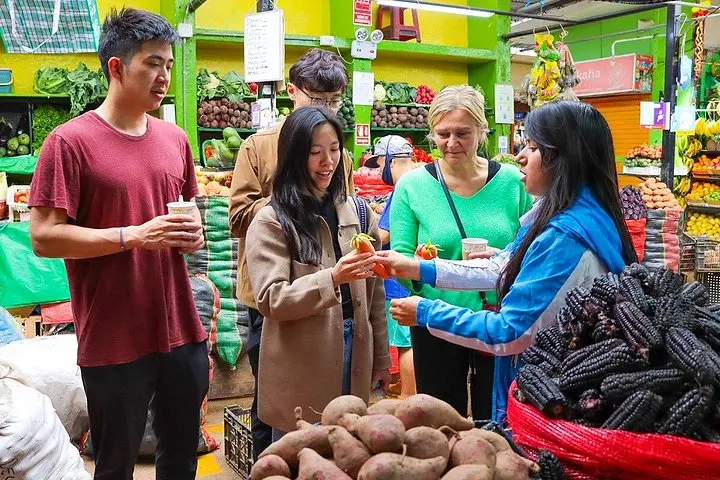
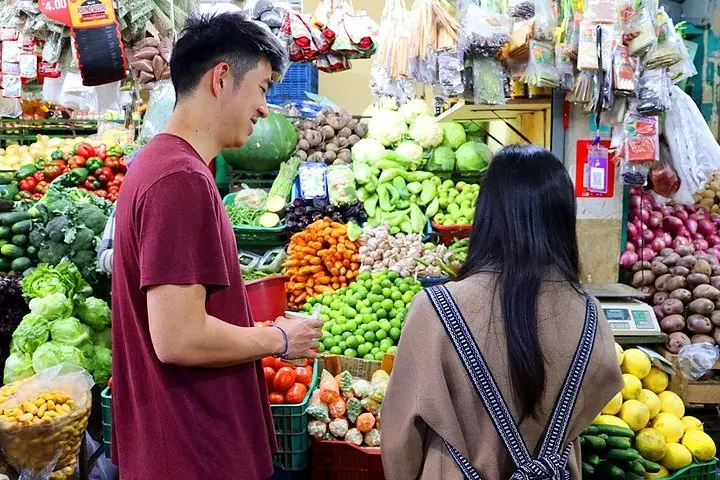
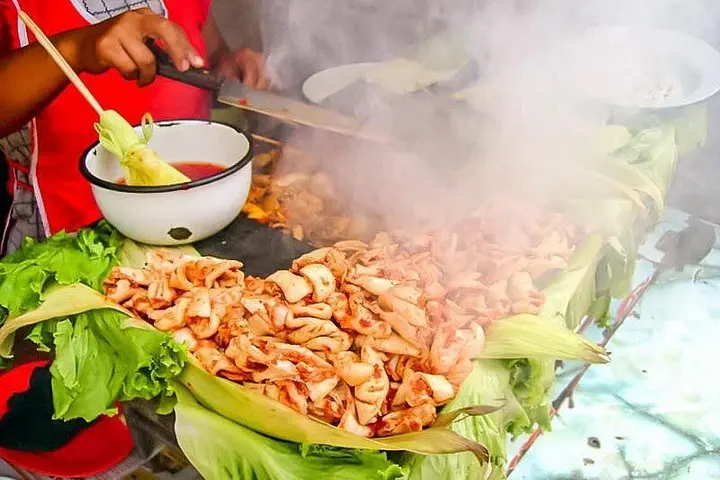
The tour begins beneath the hum of an early Lima market: produce stalls stacked with glossy purple yacón, golden lucuma and trunks of plantain that seem to challenge you to try them. Vendors call out in quick rhythms; steam from a ceviche stall rises like a signal. Walking these alleys puts you inside a living food map where coastal ceviche, Andean tubers and Amazonian fruits meet at a single stall.
The tour begins beneath the hum of an early Lima market: produce stalls stacked with glossy purple yacón, golden lucuma and trunks of plantain that seem to challenge you to try them. Vendors call out in quick rhythms; steam from a ceviche stall rises like a signal. Walking these alleys puts you inside a living food map where coastal ceviche, Andean tubers and Amazonian fruits meet at a single stall.
Peru’s culinary story is a collision of ecosystems and peoples. Coastal fishing villages shaped ceviche; Andean agriculture contributed potatoes and corn; the Amazon sent exotic fruits and herbs; Chinese, African and European arrivals layered techniques and spices. Geology matters here too: the cold Humboldt Current keeps Lima’s seafood abundant, while the Andes funnel crops down to coastal markets.
The itinerary moves through Surquillo and Santiago de Surco markets, then to Ugarelli vineyard for pisco and wine tasting. Expect small-group conversation with a guide who links dishes to migration, trade and local farming. The pace is walking-forward: sampling, short walks between stalls, and a vineyard stop for seated tasting.
Practical guidance: wear comfortable shoes, bring a refillable water bottle and a light layer for coastal breezes. Carry local cash for extra snacks and let your guide know dietary limits in advance. The tour suits people with a moderate fitness level who can stand and walk for a few hours. It’s a good cultural primer for first-time visitors and a concentrated way to taste Peru’s coastal, Andean and Amazonian flavors in a single afternoon.