THE ADVENTURE COLLECTIVE® · Independent discovery and booking for outdoor travel

Walk from Miraflores to Lima’s colonial heart on a guided tour that mixes Plaza de Armas architecture with the colorful chaos of the Central Market and the San Francisco Monastery’s catacombs. Perfect for travelers wanting history, food, and an efficient local transit experience.
Walk from Miraflores to Lima’s colonial heart on a guided tour that mixes Plaza de Armas architecture with the colorful chaos of the Central Market and the San Francisco Monastery’s catacombs. Perfect for travelers wanting history, food, and an efficient local transit experience.
The morning begins on the Pacific edge in Miraflores, where the fog-softened air and the distant roar of the ocean set the tempo. You step off the coastal avenues into busier streets, then into the historic center where colonial stone facades loom and balconies watch the flow of the city. The guide leads the group along Jirón de la Unión toward Plaza de Armas, and the city’s layered past becomes tactile — carved wood, brass plaque, and church bells marking time.
Verified experiences and guided adventures in the surrounding area.
Operated by Intrepid Urban Adventures - Latin America · Lima, Lima
The morning begins on the Pacific edge in Miraflores, where the fog-softened air and the distant roar of the ocean set the tempo. You step off the coastal avenues into busier streets, then into the historic center where colonial stone facades loom and balconies watch the flow of the city. The guide leads the group along Jirón de la Unión toward Plaza de Armas, and the city’s layered past becomes tactile — carved wood, brass plaque, and church bells marking time.
Founded by Francisco Pizarro in 1535, Lima’s center preserves Spanish colonial urban design while the San Francisco Monastery holds the city’s most tangible echoes: baroque altars and the cool, echoing catacombs beneath. Geology here is subtle — the city rests on coastal terraces above the alluvial plain of the Rimac River — but the mountain-to-coast cultural exchange shows in market stalls overflowing with fruits from the highlands and jungle.
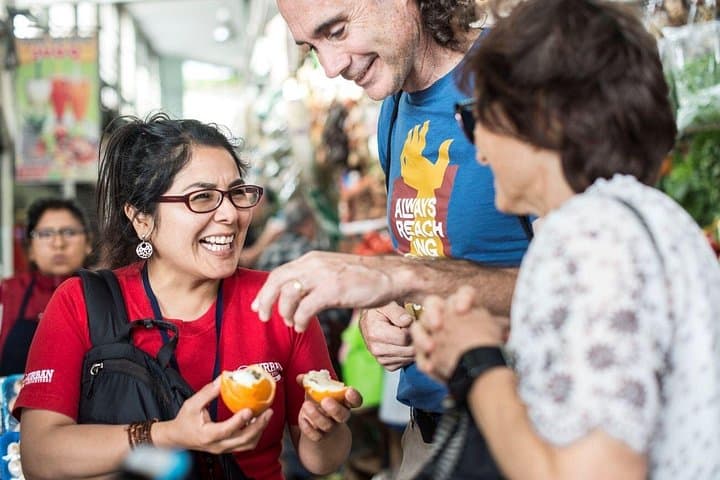
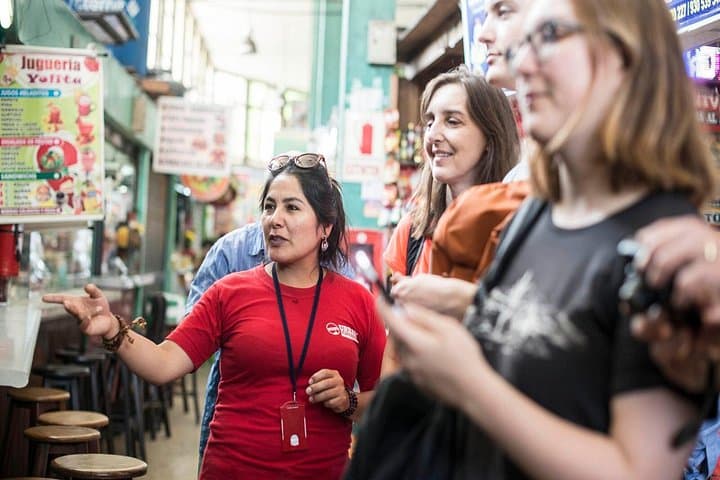
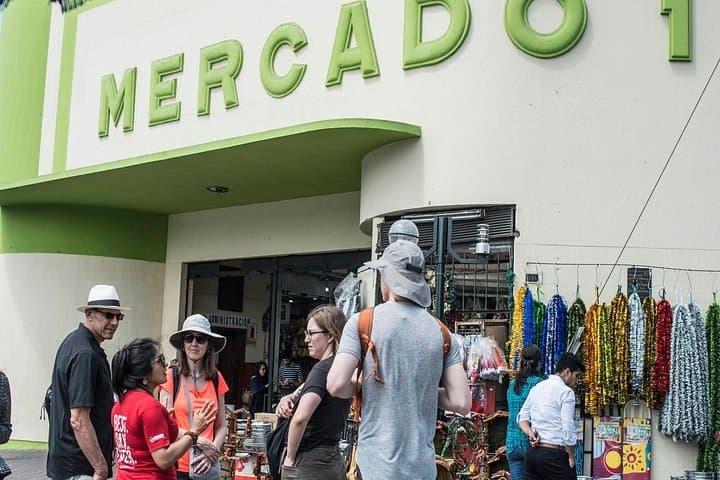
Expect a mix of paved streets, pedestrian alleys, and crowded market lanes; the Central Market is sensory and practical, teaching regional produce by taste and touch. Practical guidance: wear sturdy walking shoes, bring a small daypack with water and a light layer for the garúa (coastal drizzle), and carry local currency for small purchases. The tour uses public transport to cross districts, giving a real feel for Lima’s scale and pace.
Timing matters — mornings are cooler and markets livelier; afternoons can grow busy. Ask your guide about quieter courtyards like Casa de Aliaga or the small arcade passages off the main plazas for short breaks between sights.
About 3 to 4 hours at a relaxed walking pace with stops at major plazas, a market visit, and the San Francisco Monastery.
Yes — entrance to the San Francisco Monastery and its catacombs is included in the tour price.
Yes — the itinerary includes a short ride on a dedicated-lane, natural gas public bus to experience local transit and speed up the journey between districts.
Children are welcome (under 6 free), but the tour involves walking on uneven surfaces and stairs at the monastery; not recommended for people with significant mobility limitations.
Intrepid Urban Adventures - Latin America operates guided outdoor trips and adventures with an emphasis on safety, stewardship, and memorable experiences.
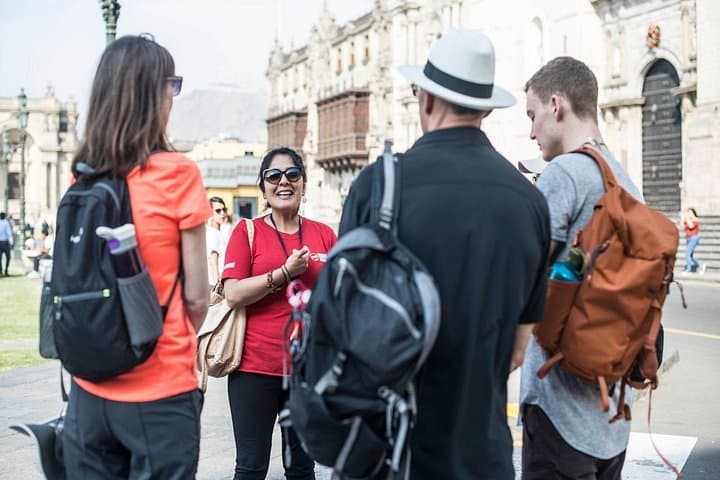
The morning begins on the Pacific edge in Miraflores, where the fog-softened air and the distant roar of the ocean set the tempo. You step off the coastal avenues into busier streets, then into the historic center where colonial stone facades loom and balconies watch the flow of the city. The guide leads the group along Jirón de la Unión toward Plaza de Armas, and the city’s layered past becomes tactile — carved wood, brass plaque, and church bells marking time.
The morning begins on the Pacific edge in Miraflores, where the fog-softened air and the distant roar of the ocean set the tempo. You step off the coastal avenues into busier streets, then into the historic center where colonial stone facades loom and balconies watch the flow of the city. The guide leads the group along Jirón de la Unión toward Plaza de Armas, and the city’s layered past becomes tactile — carved wood, brass plaque, and church bells marking time.
Founded by Francisco Pizarro in 1535, Lima’s center preserves Spanish colonial urban design while the San Francisco Monastery holds the city’s most tangible echoes: baroque altars and the cool, echoing catacombs beneath. Geology here is subtle — the city rests on coastal terraces above the alluvial plain of the Rimac River — but the mountain-to-coast cultural exchange shows in market stalls overflowing with fruits from the highlands and jungle.
Expect a mix of paved streets, pedestrian alleys, and crowded market lanes; the Central Market is sensory and practical, teaching regional produce by taste and touch. Practical guidance: wear sturdy walking shoes, bring a small daypack with water and a light layer for the garúa (coastal drizzle), and carry local currency for small purchases. The tour uses public transport to cross districts, giving a real feel for Lima’s scale and pace.
Timing matters — mornings are cooler and markets livelier; afternoons can grow busy. Ask your guide about quieter courtyards like Casa de Aliaga or the small arcade passages off the main plazas for short breaks between sights.