THE ADVENTURE COLLECTIVE® · Independent discovery and booking for outdoor travel

A 20-day expedition through Nepal’s far-western Humla district that crosses high passes above 4,000 m and follows ancient Tibetan trade routes. Expect remote tea-houses, glacial views and deep cultural encounters with traditional Buddhist villages.
A 20-day expedition through Nepal’s far-western Humla district that crosses high passes above 4,000 m and follows ancient Tibetan trade routes. Expect remote tea-houses, glacial views and deep cultural encounters with traditional Buddhist villages.
The trail opens at dawn above Simikot, where prayer flags stiffen in cold wind and the first light paints the high ridges. Walkers move from oak-scrub into a harder world of scree and alpine meadows; rivers dare you to cross and high passes push the lungs until the peaks relent and reveal Api, Saipal and the distant ridgeline that points toward Tibet and sacred Mt. Kailash.
Verified experiences and guided adventures in the surrounding area.
Operated by Mega Mount Trekking Expedition P. Ltd · Simikot, Karnali Province
The trail opens at dawn above Simikot, where prayer flags stiffen in cold wind and the first light paints the high ridges. Walkers move from oak-scrub into a harder world of scree and alpine meadows; rivers dare you to cross and high passes push the lungs until the peaks relent and reveal Api, Saipal and the distant ridgeline that points toward Tibet and sacred Mt. Kailash.
This route follows an ancient trade and pilgrimage corridor that was closed to foreigners until 2002. Geologically, the valley is carved by glacial moraine and river incision, with uplifted metamorphic beds and sharp snow-fed ridges. Culturally, Humla’s villages preserve Tibetan Buddhist practices—chortens, mani walls and small gompas appear in high meadows where yak caravans once threaded the same narrow ledges.
Expect long, demanding days: typical stages cross passes above 4,000–4,900 m, with initial and ending flights to Nepalgunj and Simikot. Trails range from packed yak tracks to loose scree; weather can swing from sun to wind-driven snow in hours. Accommodation is basic—tea-houses and simple lodges—with food focused on high-calorie staples.
Practically, acclimatize, pace uphill, and watch for early signs of altitude illness. Carry layered clothing, a reliable sleeping system and water-purification. Hire local guides and porters; permits and airport transfers are arranged from Kathmandu. Best months are late spring and early autumn for stable skies, while winter brings severe cold and summer monsoon makes river crossings hazardous.
The Limi Valley trek rewards endurance with raw panoramas and living Tibetan culture—an expedition-grade journey where preparation matters as much as the view.
Yes—treks in Humla may require region-specific permits and a TIMS card; operators typically arrange permits and local permissions.
Late April–June and mid-September–October offer the most stable weather and clearer mountain views; monsoon months bring slippery trails and winter brings severe cold.
Medical facilities are minimal; basic first-aid is available in larger villages but serious cases require evacuation to Simikot and onward to Nepalgunj or Kathmandu.
Basic tea-houses and simple lodges—rooms are shared, heated intermittently, and food is simple but calorie-dense; camping may be used in more remote stretches.
Mega Mount Trekking Expedition P. Ltd operates guided outdoor trips and adventures with an emphasis on safety, stewardship, and memorable experiences.
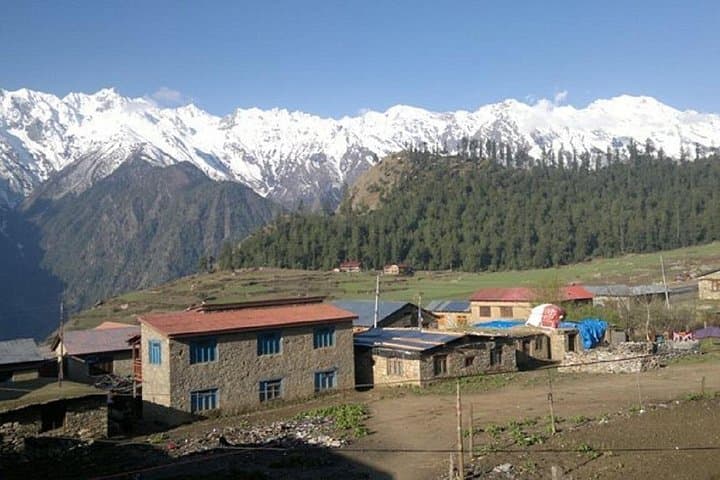
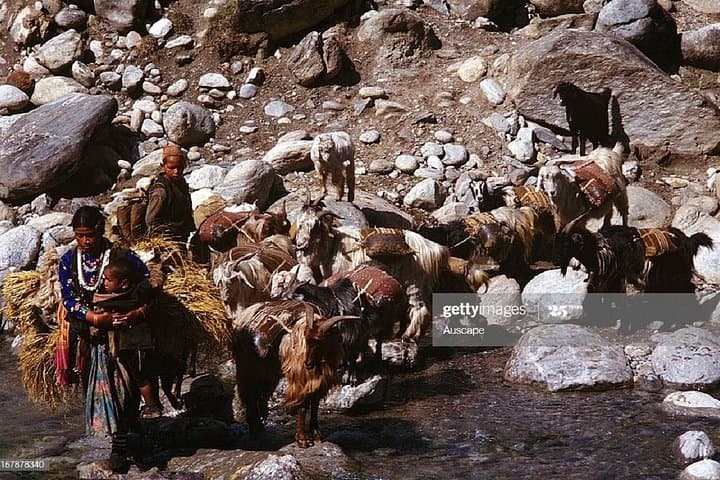
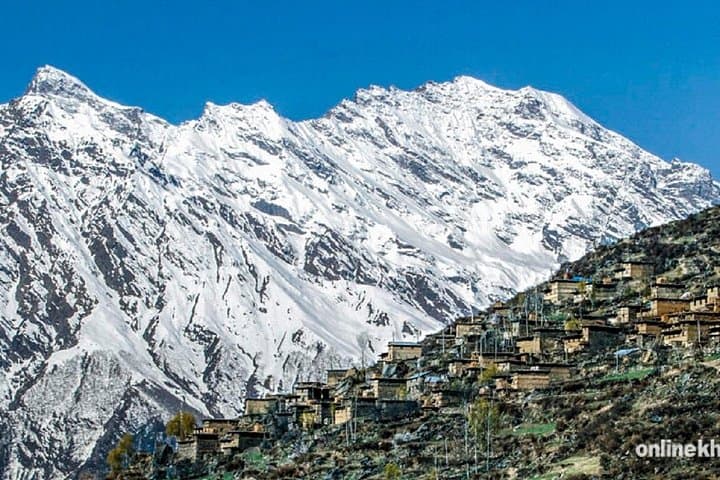
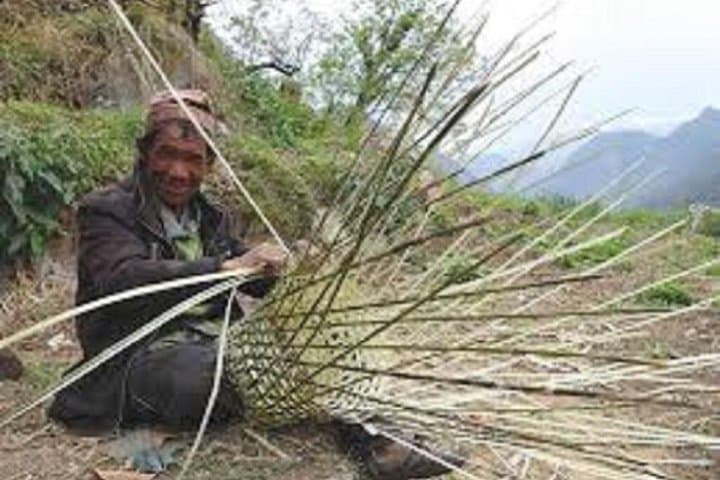
The trail opens at dawn above Simikot, where prayer flags stiffen in cold wind and the first light paints the high ridges. Walkers move from oak-scrub into a harder world of scree and alpine meadows; rivers dare you to cross and high passes push the lungs until the peaks relent and reveal Api, Saipal and the distant ridgeline that points toward Tibet and sacred Mt. Kailash.
The trail opens at dawn above Simikot, where prayer flags stiffen in cold wind and the first light paints the high ridges. Walkers move from oak-scrub into a harder world of scree and alpine meadows; rivers dare you to cross and high passes push the lungs until the peaks relent and reveal Api, Saipal and the distant ridgeline that points toward Tibet and sacred Mt. Kailash.
This route follows an ancient trade and pilgrimage corridor that was closed to foreigners until 2002. Geologically, the valley is carved by glacial moraine and river incision, with uplifted metamorphic beds and sharp snow-fed ridges. Culturally, Humla’s villages preserve Tibetan Buddhist practices—chortens, mani walls and small gompas appear in high meadows where yak caravans once threaded the same narrow ledges.
Expect long, demanding days: typical stages cross passes above 4,000–4,900 m, with initial and ending flights to Nepalgunj and Simikot. Trails range from packed yak tracks to loose scree; weather can swing from sun to wind-driven snow in hours. Accommodation is basic—tea-houses and simple lodges—with food focused on high-calorie staples.
Practically, acclimatize, pace uphill, and watch for early signs of altitude illness. Carry layered clothing, a reliable sleeping system and water-purification. Hire local guides and porters; permits and airport transfers are arranged from Kathmandu. Best months are late spring and early autumn for stable skies, while winter brings severe cold and summer monsoon makes river crossings hazardous.
The Limi Valley trek rewards endurance with raw panoramas and living Tibetan culture—an expedition-grade journey where preparation matters as much as the view.