THE ADVENTURE COLLECTIVE® · Independent discovery and booking for outdoor travel

Ride a short train into Lipa Cave and spend an hour exploring vaulted chambers and karst formations with a multilingual guide. This compact, weather-proof excursion near Budva highlights dramatic cave halls, steady 8–12°C temperatures, and easy logistics—perfect as a half-day addition to a Montenegro itinerary.
Ride a short train into Lipa Cave and spend an hour exploring vaulted chambers and karst formations with a multilingual guide. This compact, weather-proof excursion near Budva highlights dramatic cave halls, steady 8–12°C temperatures, and easy logistics—perfect as a half-day addition to a Montenegro itinerary.
The train rattles over a short incline and the daylight narrows to a slit as visitors step from the parking area into the cool throat of Lipa Cave. For the next hour a multilingual guide leads a steady procession through vaulted chambers, narrow passages and a main corridor where dripping stalactites mark slow geological time. The air holds a constant 8–12°C, and the cave’s hush gives the rock a deliberate presence — every breeze through a passage feels like the cave itself is breathing.
Verified experiences and guided adventures in the surrounding area.
Operated by Lipa cave · Lipa (near Budva/Cetinje), Cetinje Municipality
The train rattles over a short incline and the daylight narrows to a slit as visitors step from the parking area into the cool throat of Lipa Cave. For the next hour a multilingual guide leads a steady procession through vaulted chambers, narrow passages and a main corridor where dripping stalactites mark slow geological time. The air holds a constant 8–12°C, and the cave’s hush gives the rock a deliberate presence — every breeze through a passage feels like the cave itself is breathing.
Lipa Cave is one of Montenegro’s larger show caves, with mapped passages stretching more than 2.5 km; the guided loop concentrates on the most striking halls and formations discovered during 20th-century speleological surveys. The karst limestone here formed under ancient seas, folded and fractured by tectonic uplift, then sculpted by underground streams. Local culture values these caverns as natural heritage, and the site’s interpretation highlights both geology and the region’s history of exploration.
Practically, the experience is compact and accessible: a 60-minute tour (including the short train from the lot), all necessary equipment and an expert guide; groups are capped at 50. Footing can be uneven and sections feel damp; wear grippy shoes and a light insulating layer. Cameras are welcome, but allow space for the group and follow the guide’s route. Arrive on time to collect tickets at the information desk and plan for cooler temperatures than the coast. For travelers based in Budva or Cetinje, the cave makes a concentrated, weather-proof half-day that pairs well with coastal or mountain itineraries.
The full experience lasts about 60 minutes, including the short train ride from the parking area to the cave entrance.
Children may join but must be accompanied by an adult; the operator notes a moderate fitness level is recommended.
Wear grippy shoes and a light insulating layer—the cave remains cool year-round (8–12°C) and floors can be wet or slippery.
Yes, photography is permitted; avoid flash in sensitive sections and follow the guide’s directions to protect formations.
Lipa cave operates guided outdoor trips and adventures with an emphasis on safety, stewardship, and memorable experiences.
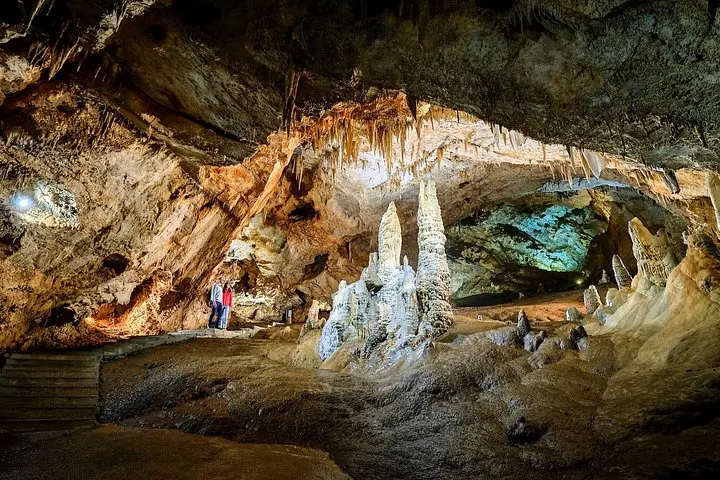
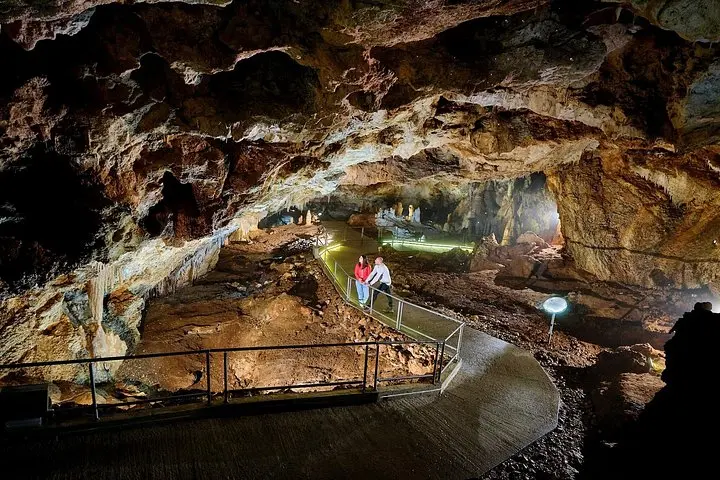
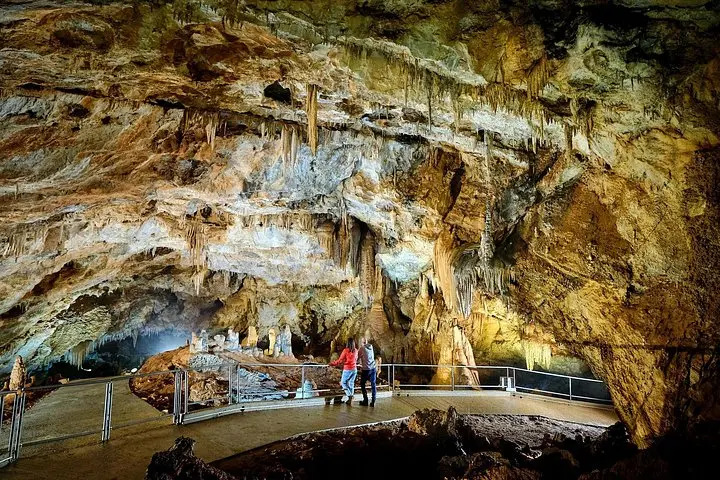
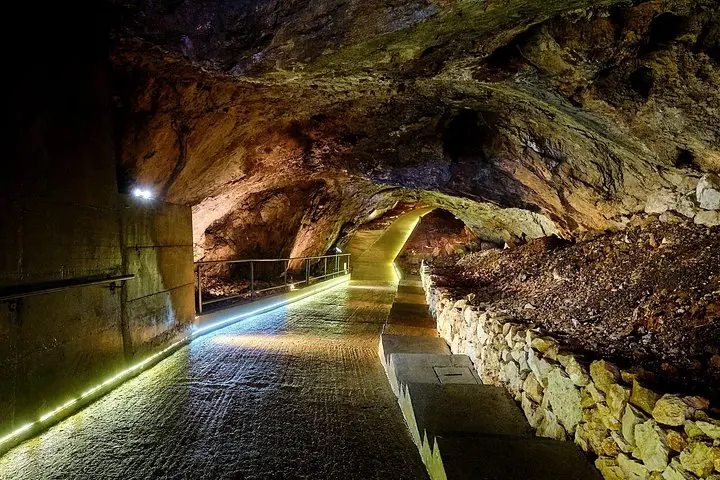
The train rattles over a short incline and the daylight narrows to a slit as visitors step from the parking area into the cool throat of Lipa Cave. For the next hour a multilingual guide leads a steady procession through vaulted chambers, narrow passages and a main corridor where dripping stalactites mark slow geological time. The air holds a constant 8–12°C, and the cave’s hush gives the rock a deliberate presence — every breeze through a passage feels like the cave itself is breathing.
The train rattles over a short incline and the daylight narrows to a slit as visitors step from the parking area into the cool throat of Lipa Cave. For the next hour a multilingual guide leads a steady procession through vaulted chambers, narrow passages and a main corridor where dripping stalactites mark slow geological time. The air holds a constant 8–12°C, and the cave’s hush gives the rock a deliberate presence — every breeze through a passage feels like the cave itself is breathing.
Lipa Cave is one of Montenegro’s larger show caves, with mapped passages stretching more than 2.5 km; the guided loop concentrates on the most striking halls and formations discovered during 20th-century speleological surveys. The karst limestone here formed under ancient seas, folded and fractured by tectonic uplift, then sculpted by underground streams. Local culture values these caverns as natural heritage, and the site’s interpretation highlights both geology and the region’s history of exploration.
Practically, the experience is compact and accessible: a 60-minute tour (including the short train from the lot), all necessary equipment and an expert guide; groups are capped at 50. Footing can be uneven and sections feel damp; wear grippy shoes and a light insulating layer. Cameras are welcome, but allow space for the group and follow the guide’s route. Arrive on time to collect tickets at the information desk and plan for cooler temperatures than the coast. For travelers based in Budva or Cetinje, the cave makes a concentrated, weather-proof half-day that pairs well with coastal or mountain itineraries.