THE ADVENTURE COLLECTIVE® · Independent discovery and booking for outdoor travel

A five-hour round-trip from Sistiana that pairs the serene historic world of the white Lipizzan horses at Lipica with a guided walk through the UNESCO-listed Škocjan Caves. Expect stable tours, a small museum, and dramatic underground canyons with stairways and viewpoints.
A five-hour round-trip from Sistiana that pairs the serene historic world of the white Lipizzan horses at Lipica with a guided walk through the UNESCO-listed Škocjan Caves. Expect stable tours, a small museum, and dramatic underground canyons with stairways and viewpoints.
You step off the coach into a low, dry wind that smells of limestone and hay. White Lipizzan mares move like carved weather, patient beneath old oaks, while farther on the Karst opens into a tannish plain that seems to store the sun. Later, the underground river Reka dares you into darkness: a canyon the size of a small city cuts through the earth and a bridge spans it 40 meters above the rushing water.
Verified experiences and guided adventures in the surrounding area.
Operated by KoperTrips.com · Lipica, Coastal–Karst
You step off the coach into a low, dry wind that smells of limestone and hay. White Lipizzan mares move like carved weather, patient beneath old oaks, while farther on the Karst opens into a tannish plain that seems to store the sun. Later, the underground river Reka dares you into darkness: a canyon the size of a small city cuts through the earth and a bridge spans it 40 meters above the rushing water.
Lipica’s stud farm dates back more than 400 years and is the cradle of the classical Lipizzan breed—walking the stable rows is walking through a continuity of equestrian practice. The Karst region around Škocjan is a geological classroom: soluble limestone, sinkholes, and subterranean canyons carved by dramatic underground drainage. Škocjan Caves joined UNESCO in 1986 for its outstanding karst phenomena and cultural importance.
The day trip pairs two different facets of this borderland—cultivated animal heritage and raw subterranean geology—so expect gentle estate walks, a stable tour and museum, then a guided cave circuit with steps, narrow passages and a high pedestrian bridge. Wear grippy footwear, bring a light jacket (cave temps stay cool year-round), and allow time for border formalities and photo stops on the return.
Practical: total outing runs about five hours; tours are guided and often include hotel or port pickup from Sistiana/Trieste. Strollers can access parts of the stud; caves involve stairs and uneven surfaces. Hydrate between stops and keep to marked paths to protect fragile karst systems.
Škocjan Caves have stairs, narrow passages and bridges—older children can usually manage but strollers are not suitable inside the caves; the stud farm is more accessible for prams.
You travel from Italy into Slovenia; while both countries are in Schengen, carry a passport or national ID in case of checks and for cruise/port requirements.
Most tours include transport and guiding but not meals—bring water and snacks or plan to buy food at local cafés after the tour.
Expect several hundred meters of walking with multiple stair sections and a high pedestrian bridge; the guided circuit typically lasts 60–90 minutes inside.
KoperTrips.com operates guided outdoor trips and adventures with an emphasis on safety, stewardship, and memorable experiences.
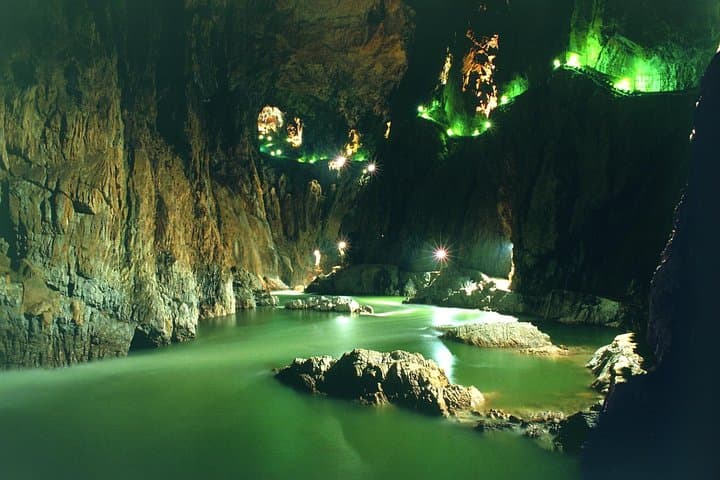
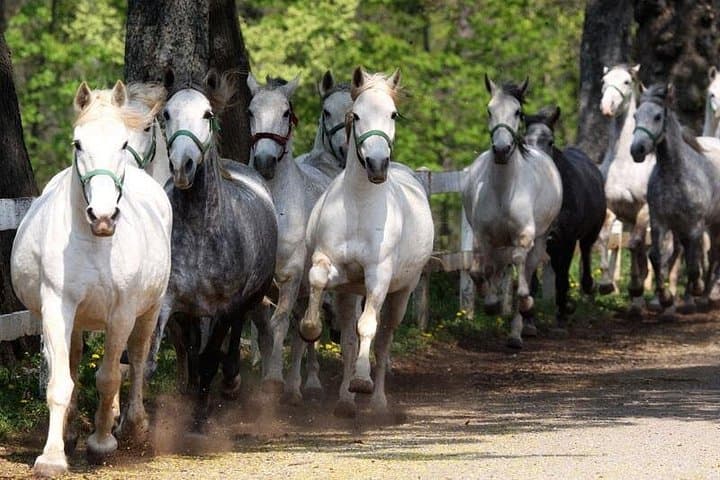
You step off the coach into a low, dry wind that smells of limestone and hay. White Lipizzan mares move like carved weather, patient beneath old oaks, while farther on the Karst opens into a tannish plain that seems to store the sun. Later, the underground river Reka dares you into darkness: a canyon the size of a small city cuts through the earth and a bridge spans it 40 meters above the rushing water.
You step off the coach into a low, dry wind that smells of limestone and hay. White Lipizzan mares move like carved weather, patient beneath old oaks, while farther on the Karst opens into a tannish plain that seems to store the sun. Later, the underground river Reka dares you into darkness: a canyon the size of a small city cuts through the earth and a bridge spans it 40 meters above the rushing water.
Lipica’s stud farm dates back more than 400 years and is the cradle of the classical Lipizzan breed—walking the stable rows is walking through a continuity of equestrian practice. The Karst region around Škocjan is a geological classroom: soluble limestone, sinkholes, and subterranean canyons carved by dramatic underground drainage. Škocjan Caves joined UNESCO in 1986 for its outstanding karst phenomena and cultural importance.
The day trip pairs two different facets of this borderland—cultivated animal heritage and raw subterranean geology—so expect gentle estate walks, a stable tour and museum, then a guided cave circuit with steps, narrow passages and a high pedestrian bridge. Wear grippy footwear, bring a light jacket (cave temps stay cool year-round), and allow time for border formalities and photo stops on the return.
Practical: total outing runs about five hours; tours are guided and often include hotel or port pickup from Sistiana/Trieste. Strollers can access parts of the stud; caves involve stairs and uneven surfaces. Hydrate between stops and keep to marked paths to protect fragile karst systems.