THE ADVENTURE COLLECTIVE® · Independent discovery and booking for outdoor travel

Slide out of Lisbon and into the Tagus Estuary on a short birdwatching cruise that reaches protected marshes and salt pans where migratory and resident birds gather. Perfect for photographers and wildlife lovers who want a low-impact, informative wildlife outing.
Slide out of Lisbon and into the Tagus Estuary on a short birdwatching cruise that reaches protected marshes and salt pans where migratory and resident birds gather. Perfect for photographers and wildlife lovers who want a low-impact, informative wildlife outing.
On a brisk morning the Tagus pushes sunlight across low marshes and tidal channels, the river daring you to slow down and watch. A compact tour boat slips away from the Lisbon docks and eases into the wide estuary where mudflats, salt pans and reed beds frame distant cranes and whitewashed neighborhoods.
Verified experiences and guided adventures in the surrounding area.
Operated by SeaEO-Tours · Lisbon, Lisbon
On a brisk morning the Tagus pushes sunlight across low marshes and tidal channels, the river daring you to slow down and watch. A compact tour boat slips away from the Lisbon docks and eases into the wide estuary where mudflats, salt pans and reed beds frame distant cranes and whitewashed neighborhoods.
The Tagus Estuary is one of Europe’s largest and most important wetlands; its protected sectors were folded into Portugal’s Natura 2000 network after centuries as a strategic maritime approach to Lisbon. Geologically, the estuary is a drowned river valley where sediment from the interior builds tidal flats that attract migratory birds in large numbers. Culturally the ride is close to Lisbon’s Pombaline harbor and the riverine livelihoods of fishing and salt harvesting you can still spot along the shores.
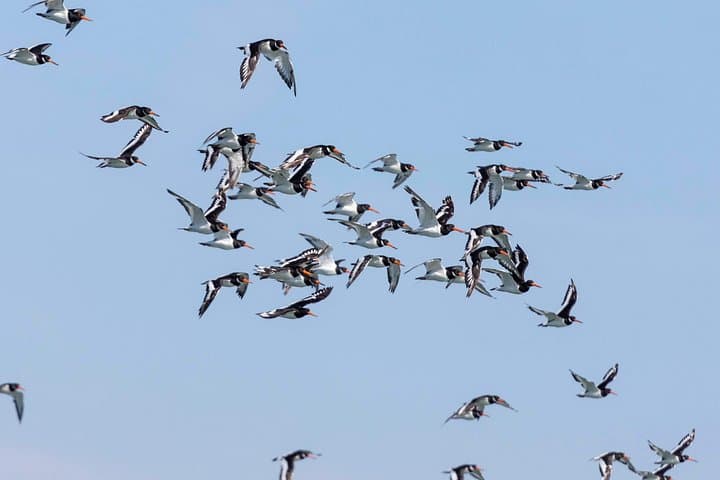
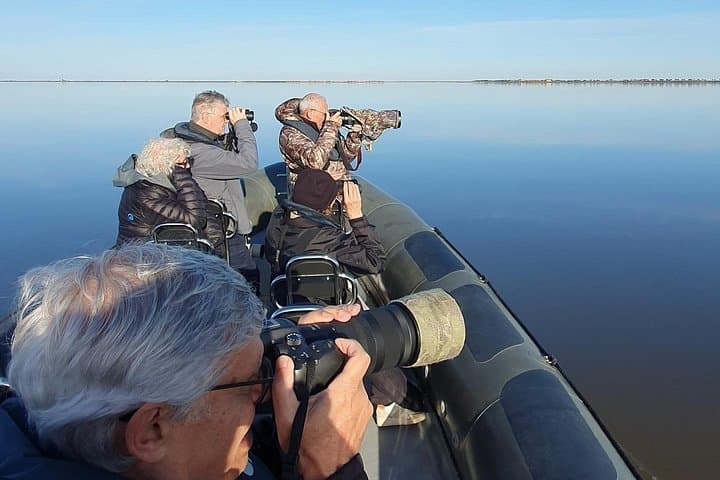
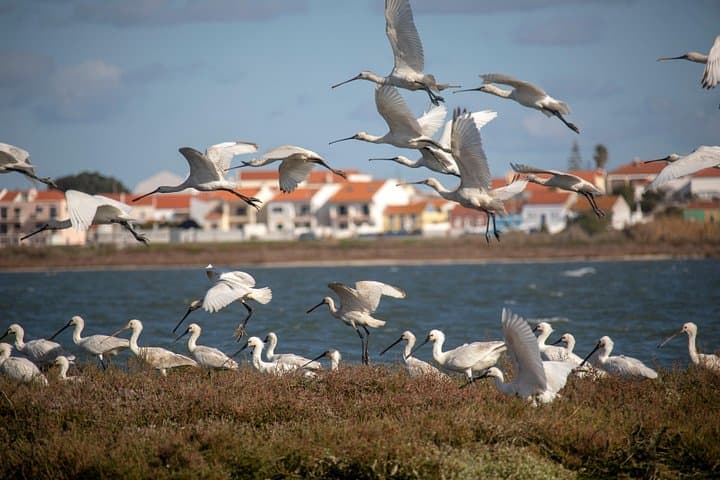
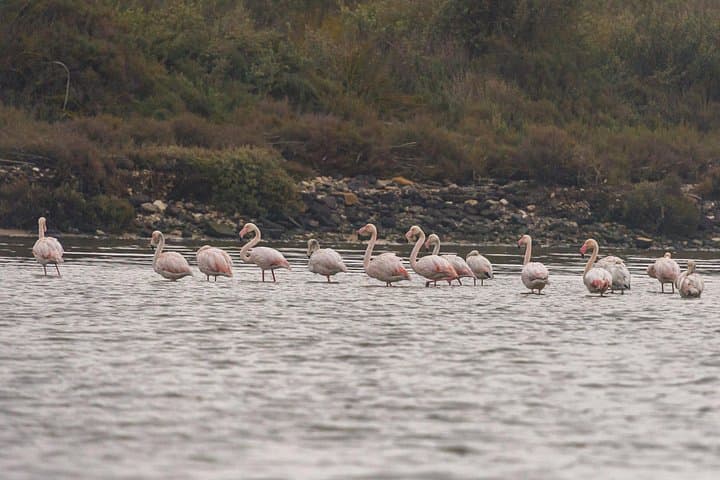
Expect to see wading birds, ducks and—season dependent—flamingos and gulls, while the boat’s low wake and the pilot’s local knowledge get you near the best viewing zones without disturbing roosts. Guides often provide binoculars and a welcome regional Muscat.
Practical notes: tours run about 2–3 hours, leave from central piers with public-transport links. Dress in windproof layers and bring sunscreen; mornings and late afternoons deliver the best light and active birds. If you’re prone to seasickness, take precautions before boarding. Keep voices low and cameras ready—respect protected areas by staying on the boat and following guide instructions. This is a gentle, wildlife-focused outing that rewards patience and quiet observation.
Most departures are from central Lisbon piers with nearby public transport; check your booking confirmation for the exact meeting point and arrive 15 minutes early.
Infants may travel on laps; service animals are permitted but pets are typically not advised—confirm with the operator before booking.
Common sightings include waders like black-tailed godwit and avocet, shelduck, terns and, seasonally, greater flamingo and various gull species.
Operators usually cancel in poor weather for safety and will offer a full refund if the tour is canceled at least 24 hours in advance or by the provider for weather reasons.
SeaEO-Tours operates guided outdoor trips and adventures with an emphasis on safety, stewardship, and memorable experiences.
On a brisk morning the Tagus pushes sunlight across low marshes and tidal channels, the river daring you to slow down and watch. A compact tour boat slips away from the Lisbon docks and eases into the wide estuary where mudflats, salt pans and reed beds frame distant cranes and whitewashed neighborhoods.
On a brisk morning the Tagus pushes sunlight across low marshes and tidal channels, the river daring you to slow down and watch. A compact tour boat slips away from the Lisbon docks and eases into the wide estuary where mudflats, salt pans and reed beds frame distant cranes and whitewashed neighborhoods.
The Tagus Estuary is one of Europe’s largest and most important wetlands; its protected sectors were folded into Portugal’s Natura 2000 network after centuries as a strategic maritime approach to Lisbon. Geologically, the estuary is a drowned river valley where sediment from the interior builds tidal flats that attract migratory birds in large numbers. Culturally the ride is close to Lisbon’s Pombaline harbor and the riverine livelihoods of fishing and salt harvesting you can still spot along the shores.
Expect to see wading birds, ducks and—season dependent—flamingos and gulls, while the boat’s low wake and the pilot’s local knowledge get you near the best viewing zones without disturbing roosts. Guides often provide binoculars and a welcome regional Muscat.
Practical notes: tours run about 2–3 hours, leave from central piers with public-transport links. Dress in windproof layers and bring sunscreen; mornings and late afternoons deliver the best light and active birds. If you’re prone to seasickness, take precautions before boarding. Keep voices low and cameras ready—respect protected areas by staying on the boat and following guide instructions. This is a gentle, wildlife-focused outing that rewards patience and quiet observation.