THE ADVENTURE COLLECTIVE® · Independent discovery and booking for outdoor travel

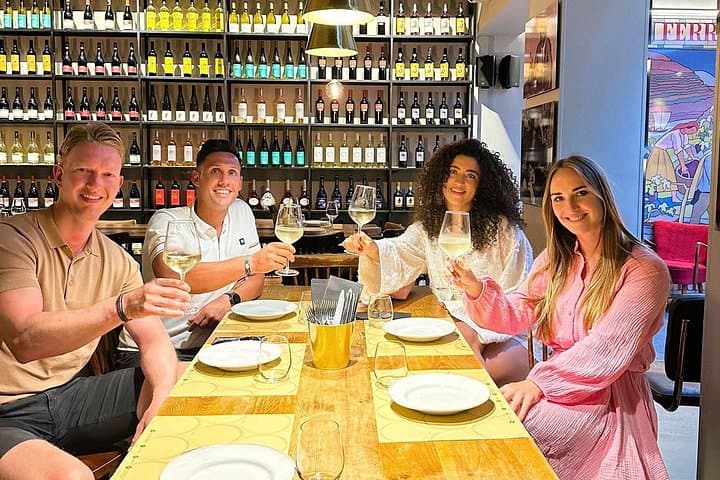
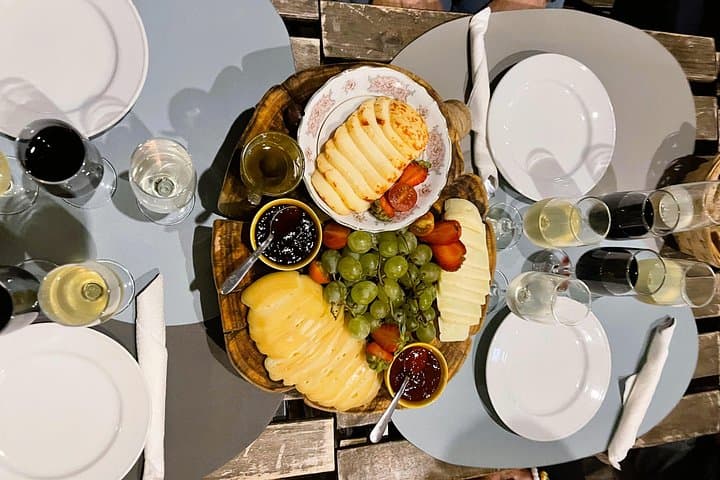
Taste Lisbon like a local on this three-hour small-group walk through neighborhoods of taverns, wine bars, and pastry counters. Sample bifana sandwiches, pica-pau, regional wines, and the city's best Pastel de Nata while learning culinary and cultural context from a local guide.
Taste Lisbon like a local on this three-hour small-group walk through neighborhoods of taverns, wine bars, and pastry counters. Sample bifana sandwiches, pica-pau, regional wines, and the city's best Pastel de Nata while learning culinary and cultural context from a local guide.
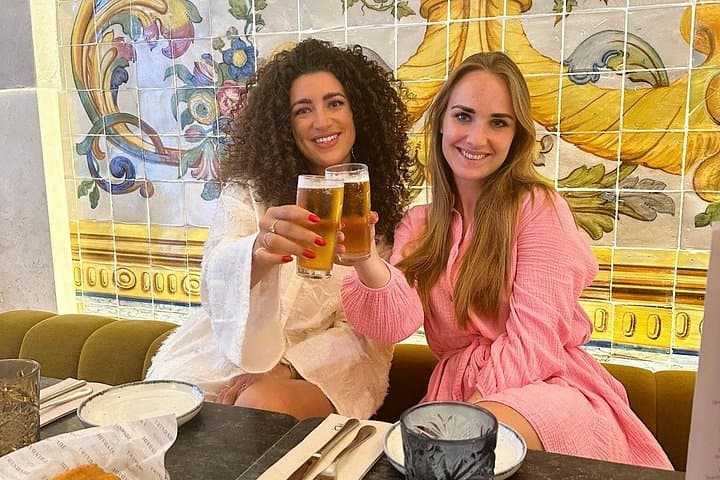
You step off a tram into a patchwork of sun-warmed tiles and narrow alleys where the Tagus river murmurs just out of sight. The group threads through a neighborhood of working kitchens and tile-fronted taverns, the air carrying the scent of frying garlic and a slow-simmered stew. Conversation drifts between bites; laughter punctuates the clink of glasses.
Verified experiences and guided adventures in the surrounding area.
Operated by Enjoy&Live Tours · Lisbon, Lisbon
You step off a tram into a patchwork of sun-warmed tiles and narrow alleys where the Tagus river murmurs just out of sight. The group threads through a neighborhood of working kitchens and tile-fronted taverns, the air carrying the scent of frying garlic and a slow-simmered stew. Conversation drifts between bites; laughter punctuates the clink of glasses.
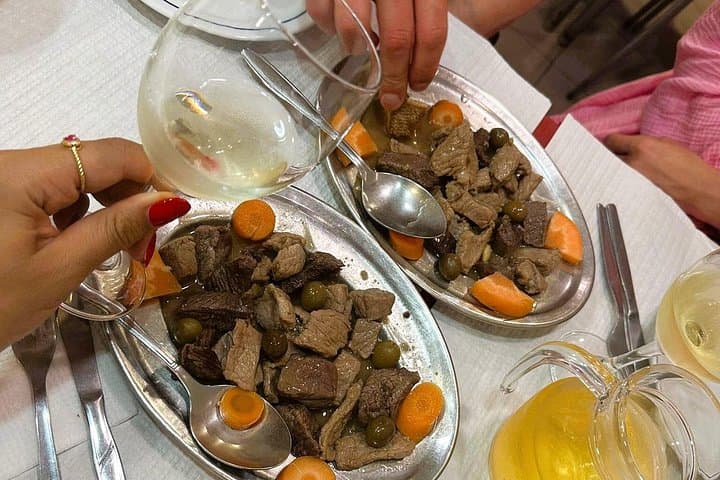
Lisbon’s food culture is a palimpsest of maritime trade and regional Portuguese traditions — from pork sandwiches like the bifana to tavern plates of pica-pau, and the custardy Pastel de Nata that seals any meal. The city’s seven hills and the Tagus estuary shaped not just streets but tastes: salt and citrus arrived on ships, while rural cheeses and wines migrated from nearby Alentejo and Setúbal.
Expect a mostly walking experience across cobbled streets and short stairways, stopping at small, often family-run spots that favor authenticity over spectacle. Guides explain preparation techniques, wine pairings, and neighborhood histories as you move between tastings.
Practical notes: the tour runs about three hours and suits most fitness levels; wear comfortable shoes and plan for close quarters in popular tascas. Bring a reusable water bottle and have cash or a card handy—some traditional places prefer one or the other. If you have dietary restrictions, notify the operator in advance. Small groups keep the experience intimate and support local purveyors — taste deliberately, leave no trace, and let the city’s flavors tell their own story.
The tour lasts approximately three hours and includes multiple tasting stops across a compact walking route.
Yes—local wines and some alcoholic beverages are included as part of the tasting experience for adults.
Yes—inform the operator at booking and they will make reasonable accommodations when possible.
Meeting details are provided at booking—most tours start centrally in Lisbon and guides commonly speak English; check the operator listing for specifics.
Enjoy&Live Tours operates guided outdoor trips and adventures with an emphasis on safety, stewardship, and memorable experiences.
You step off a tram into a patchwork of sun-warmed tiles and narrow alleys where the Tagus river murmurs just out of sight. The group threads through a neighborhood of working kitchens and tile-fronted taverns, the air carrying the scent of frying garlic and a slow-simmered stew. Conversation drifts between bites; laughter punctuates the clink of glasses.
You step off a tram into a patchwork of sun-warmed tiles and narrow alleys where the Tagus river murmurs just out of sight. The group threads through a neighborhood of working kitchens and tile-fronted taverns, the air carrying the scent of frying garlic and a slow-simmered stew. Conversation drifts between bites; laughter punctuates the clink of glasses.
Lisbon’s food culture is a palimpsest of maritime trade and regional Portuguese traditions — from pork sandwiches like the bifana to tavern plates of pica-pau, and the custardy Pastel de Nata that seals any meal. The city’s seven hills and the Tagus estuary shaped not just streets but tastes: salt and citrus arrived on ships, while rural cheeses and wines migrated from nearby Alentejo and Setúbal.
Expect a mostly walking experience across cobbled streets and short stairways, stopping at small, often family-run spots that favor authenticity over spectacle. Guides explain preparation techniques, wine pairings, and neighborhood histories as you move between tastings.
Practical notes: the tour runs about three hours and suits most fitness levels; wear comfortable shoes and plan for close quarters in popular tascas. Bring a reusable water bottle and have cash or a card handy—some traditional places prefer one or the other. If you have dietary restrictions, notify the operator in advance. Small groups keep the experience intimate and support local purveyors — taste deliberately, leave no trace, and let the city’s flavors tell their own story.