THE ADVENTURE COLLECTIVE® · Independent discovery and booking for outdoor travel

Walk Lisbon’s heart from Praça Luís de Camões through Baixa, Chiado and Alfama with a local guide. This 2½-hour tour mixes urban history, panoramic viewpoints and insider tips for cafés and viewpoints.
Walk Lisbon’s heart from Praça Luís de Camões through Baixa, Chiado and Alfama with a local guide. This 2½-hour tour mixes urban history, panoramic viewpoints and insider tips for cafés and viewpoints.
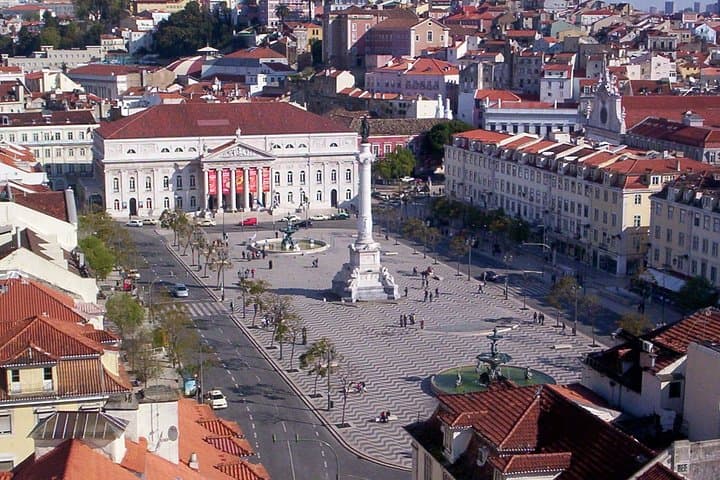
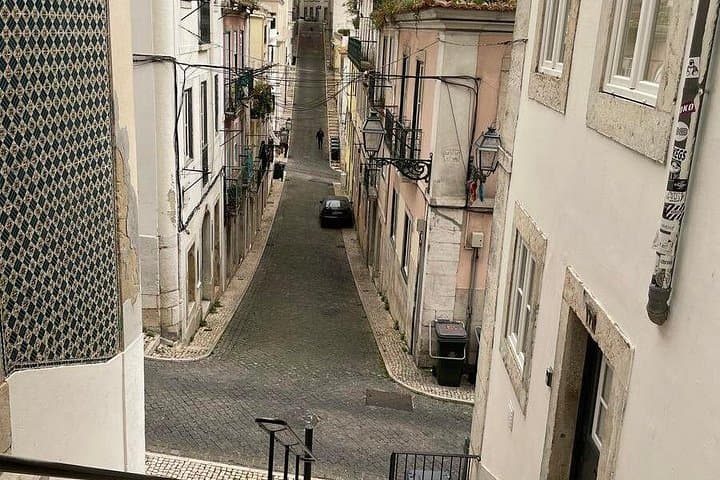
You step off a tram onto a mosaic square where the salt air from the Tagus nudges the skyline and the city hums in a language of tile, bell and tram bell. The tour begins at Praça Luís de Camões and moves like a practiced conversation through Baixa’s grand avenues, the book-lined cafes of Chiado, and the narrow, singing alleys of Alfama.
Verified experiences and guided adventures in the surrounding area.
Operated by Viva Brussels · Lisbon, Lisbon
You step off a tram onto a mosaic square where the salt air from the Tagus nudges the skyline and the city hums in a language of tile, bell and tram bell. The tour begins at Praça Luís de Camões and moves like a practiced conversation through Baixa’s grand avenues, the book-lined cafes of Chiado, and the narrow, singing alleys of Alfama.
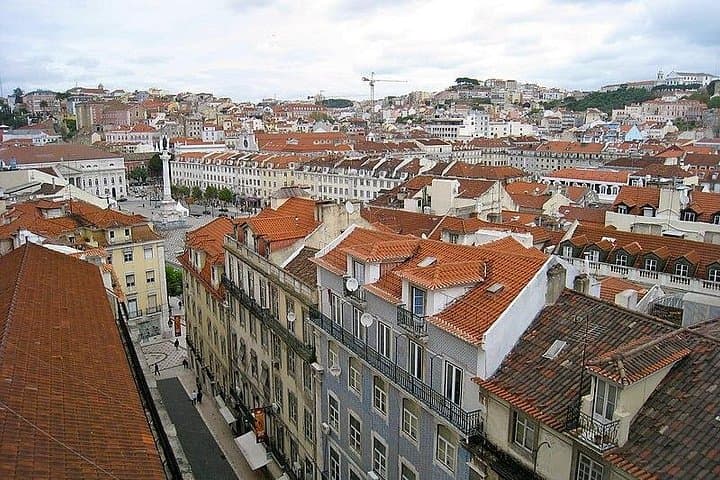
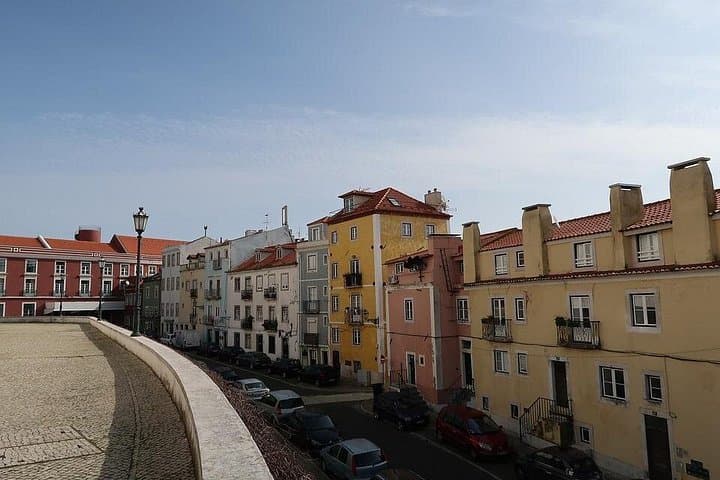
Lisbon’s streets are maps of history: medieval lanes rising up to miradouros, Pombaline gridwork born from the 1755 earthquake, and façades covered in azulejos that track styles from Moorish to Modernist. The Convento do Carmo’s roofless nave still points to that seismic past; nearby, the Elevador de Santa Justa offers ironwork views into old merchant quarters. Culture here is public — fado drifting from a doorway, markets spilling citrus and cod, shopkeepers who know names and stories.
Practically, expect 2–3 hours of steady walking over cobbles and occasional steps; good shoes and a water bottle matter more than peak fitness. Guides pause for photos, stories, and quick local tips about where to eat pastéis de nata or catch a sunset from Miradouro de Santa Luzia. Accessibility is generally good in main squares but watch cobbles and steep lanes in Alfama.
Plan mornings for softer light and quieter streets, carry a light rain layer most seasons, and leave time after the tour to explore a museum or a riverside cafe — Lisbon rewards the slow second look.
The tour lasts about 2½ hours and covers roughly 2–3 miles of walking over mostly cobbled streets with some stairs and slopes.
Main meeting points and many squares are wheelchair accessible, but narrow lanes and steps in Alfama may limit full access—check with the operator for tailored arrangements.
This is a guided walking tour; entrance fees to paid attractions are generally not included, though the guide may take you to viewpoints like the Santa Justa elevator (access may require a ticket).
Guides typically speak English and Portuguese; confirm at booking if you require another language or a private guide.
Viva Brussels operates guided outdoor trips and adventures with an emphasis on safety, stewardship, and memorable experiences.
You step off a tram onto a mosaic square where the salt air from the Tagus nudges the skyline and the city hums in a language of tile, bell and tram bell. The tour begins at Praça Luís de Camões and moves like a practiced conversation through Baixa’s grand avenues, the book-lined cafes of Chiado, and the narrow, singing alleys of Alfama.
You step off a tram onto a mosaic square where the salt air from the Tagus nudges the skyline and the city hums in a language of tile, bell and tram bell. The tour begins at Praça Luís de Camões and moves like a practiced conversation through Baixa’s grand avenues, the book-lined cafes of Chiado, and the narrow, singing alleys of Alfama.
Lisbon’s streets are maps of history: medieval lanes rising up to miradouros, Pombaline gridwork born from the 1755 earthquake, and façades covered in azulejos that track styles from Moorish to Modernist. The Convento do Carmo’s roofless nave still points to that seismic past; nearby, the Elevador de Santa Justa offers ironwork views into old merchant quarters. Culture here is public — fado drifting from a doorway, markets spilling citrus and cod, shopkeepers who know names and stories.
Practically, expect 2–3 hours of steady walking over cobbles and occasional steps; good shoes and a water bottle matter more than peak fitness. Guides pause for photos, stories, and quick local tips about where to eat pastéis de nata or catch a sunset from Miradouro de Santa Luzia. Accessibility is generally good in main squares but watch cobbles and steep lanes in Alfama.
Plan mornings for softer light and quieter streets, carry a light rain layer most seasons, and leave time after the tour to explore a museum or a riverside cafe — Lisbon rewards the slow second look.