THE ADVENTURE COLLECTIVE® · Independent discovery and booking for outdoor travel

Walk the streets where ritual punishment met theatre in Lisbon’s historic core. This 65–75 minute guided route combines Inquisition history, theatrical lore and a live fado to reveal how public spectacle shaped the city.
Walk the streets where ritual punishment met theatre in Lisbon’s historic core. This 65–75 minute guided route combines Inquisition history, theatrical lore and a live fado to reveal how public spectacle shaped the city.
Stone, song and a public stage: the tour opens where the Palace of the Inquisition once sealed verdicts and later became Teatro Nacional Dona Maria II. Under Lisbon’s pale sky the guide threads through narrow lanes, pointing to patched façades and the cobbled alleys where penitents processed, while a live fado punctuates a tale of ritual, punishment and performance.
Verified experiences and guided adventures in the surrounding area.
Operated by Bruno Schiappa · Lisbon, Lisbon
Stone, song and a public stage: the tour opens where the Palace of the Inquisition once sealed verdicts and later became Teatro Nacional Dona Maria II. Under Lisbon’s pale sky the guide threads through narrow lanes, pointing to patched façades and the cobbled alleys where penitents processed, while a live fado punctuates a tale of ritual, punishment and performance.
The route traces 17th–18th century practices when the Inquisition used theatrical techniques—vestments, sermons and choreographed processions—to dramatize authority. The 1755 earthquake reshaped streets and names; subsequent rebuilding relocated theatres and public squares, folding judicial spectacle into emerging urban culture. Geologically, Lisbon’s steep hills and calçada stone set the scene: sound carries across plazas and the Tagus estuary sits just beyond the rooftops, a low, moving backdrop.
Culturally the walk connects criminal justice, theatrical tradition and literary life—visitors pause where Fernando Pessoa once wrote and, at one stop, sample port as part of an interpretive vignette. Expect stories about toponymic changes, the alley of straw and even theatrical expressions that survived in Portuguese stagecraft.
Practical guidance: the tour is a 65–75 minute, mostly level walk on cobbles and short stair sections; it’s wheelchair accessible but may include narrow passages. Bring closed-toe, low-heel shoes, a light layer for coastal breezes, and a small bottle of water. Morning or late afternoon slots avoid the busiest tourist surge. Tickets are mobile-friendly; be prepared for a short live fado performance and to keep a respectful silence in sensitive locations.
The tour lasts about 65–75 minutes and meets at Teatro Nacional Dona Maria II (Rossio), a central and easily reached location by public transport.
Yes—routes have been adapted for wheelchair access, though narrow historical passages may require minor detours; contact the operator if you need special accommodations.
Yes—a short live fado performance is included near the end of the route as part of the interpretive program.
Mobile tickets are accepted; full refunds are available if you cancel at least 24 hours before the scheduled departure time.
Bruno Schiappa operates guided outdoor trips and adventures with an emphasis on safety, stewardship, and memorable experiences.

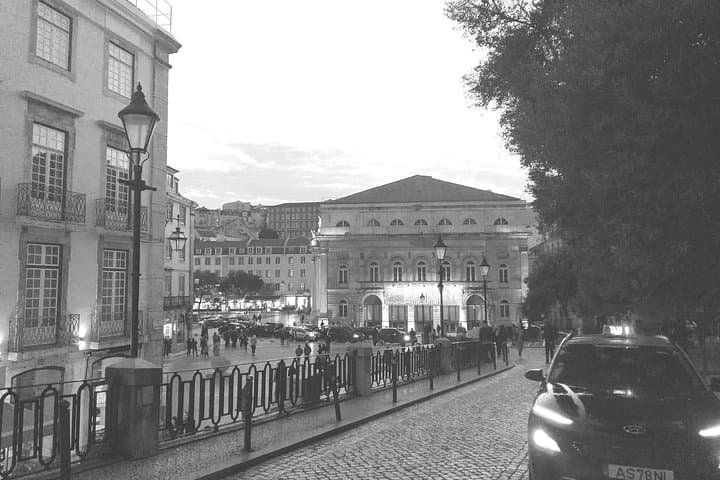
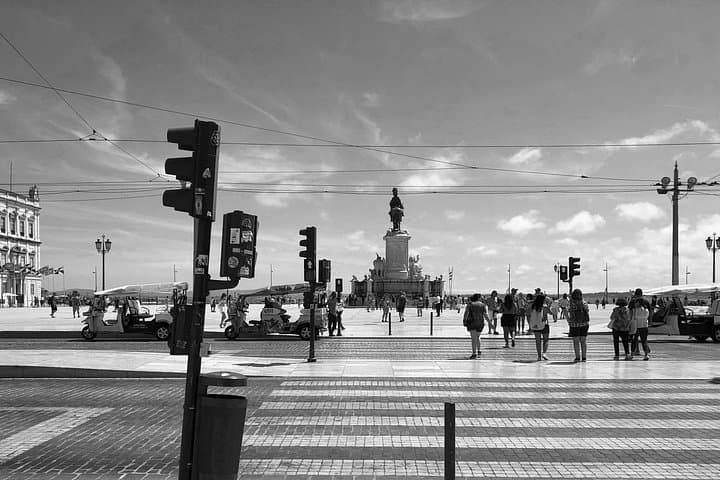
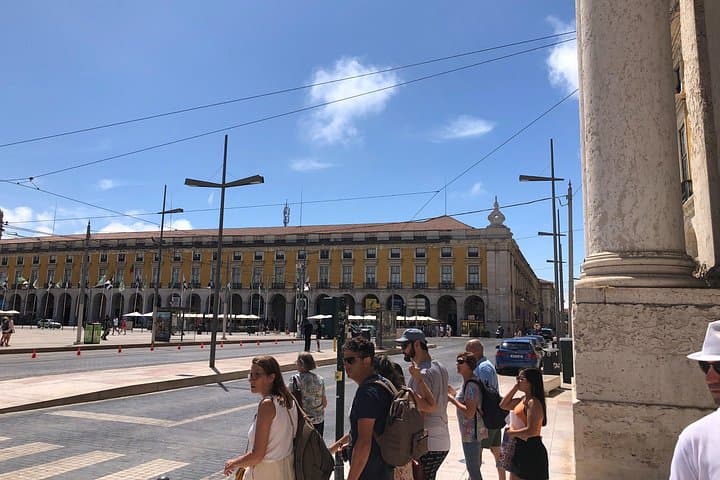
Stone, song and a public stage: the tour opens where the Palace of the Inquisition once sealed verdicts and later became Teatro Nacional Dona Maria II. Under Lisbon’s pale sky the guide threads through narrow lanes, pointing to patched façades and the cobbled alleys where penitents processed, while a live fado punctuates a tale of ritual, punishment and performance.
Stone, song and a public stage: the tour opens where the Palace of the Inquisition once sealed verdicts and later became Teatro Nacional Dona Maria II. Under Lisbon’s pale sky the guide threads through narrow lanes, pointing to patched façades and the cobbled alleys where penitents processed, while a live fado punctuates a tale of ritual, punishment and performance.
The route traces 17th–18th century practices when the Inquisition used theatrical techniques—vestments, sermons and choreographed processions—to dramatize authority. The 1755 earthquake reshaped streets and names; subsequent rebuilding relocated theatres and public squares, folding judicial spectacle into emerging urban culture. Geologically, Lisbon’s steep hills and calçada stone set the scene: sound carries across plazas and the Tagus estuary sits just beyond the rooftops, a low, moving backdrop.
Culturally the walk connects criminal justice, theatrical tradition and literary life—visitors pause where Fernando Pessoa once wrote and, at one stop, sample port as part of an interpretive vignette. Expect stories about toponymic changes, the alley of straw and even theatrical expressions that survived in Portuguese stagecraft.
Practical guidance: the tour is a 65–75 minute, mostly level walk on cobbles and short stair sections; it’s wheelchair accessible but may include narrow passages. Bring closed-toe, low-heel shoes, a light layer for coastal breezes, and a small bottle of water. Morning or late afternoon slots avoid the busiest tourist surge. Tickets are mobile-friendly; be prepared for a short live fado performance and to keep a respectful silence in sensitive locations.