THE ADVENTURE COLLECTIVE® · Independent discovery and booking for outdoor travel
Spend a day painting traditional azulejos, wandering a historic market, and tasting wines beneath the Arrábida ridge. This 7–8 hour trip pairs hands-on craft with coastal geology and family-run cellars.
Spend a day painting traditional azulejos, wandering a historic market, and tasting wines beneath the Arrábida ridge. This 7–8 hour trip pairs hands-on craft with coastal geology and family-run cellars.
A morning begins in Lisbon with a quiet car folding out of the city and climbing toward the Arrábida hills; the road opens to sea-scrub slopes and sudden coastal blue that seems to push the view outward. You arrive at a modest studio where local artisans lay out brushes, pigments and unglazed ceramic tiles, and the tactile work of painting teaches a different pace — deliberate strokes, glazes, and a patience that belongs to place.
Verified experiences and guided adventures in the surrounding area.
Operated by FunTasting Tours · Setúbal, Lisbon District
A morning begins in Lisbon with a quiet car folding out of the city and climbing toward the Arrábida hills; the road opens to sea-scrub slopes and sudden coastal blue that seems to push the view outward. You arrive at a modest studio where local artisans lay out brushes, pigments and unglazed ceramic tiles, and the tactile work of painting teaches a different pace — deliberate strokes, glazes, and a patience that belongs to place.
The tour threads history and geology: Setúbal’s Livramento Market, its 1930 tiled panels recording fishermen and farmers, speaks to the region’s long maritime life. The Arrábida ridge itself is a remnant of tectonic collision and limestone uplift, where Mediterranean maquis clings to steep karst slopes and limestone cliffs drop toward turquoise coves.
Culture here moves between small-scale craft and family-run cellars. At a quinta, guests taste wines shaped by thin soils and maritime breezes while learning about local varietals and production practices. The day closes with quiet coastal views, a short walk among scrub and olive groves, and a hand-painted tile boxed and shipped if needed.
Practical guidance: expect light walking between short stops, bring sun protection and a reusable bottle, and plan for a 7–8 hour day with hotel pickup. Photography is allowed in most places but respect working artisans; bring a small bag for purchases and expect card payments but carry a little cash for market snacks.
Yes; the tour includes hotel pickup within Lisbon and nearby neighborhoods — confirm your pickup point at booking.
Yes; the workshop can pack and ship tiles for an additional fee — request shipping details beforehand to arrange courier service.
Yes; the winery typically offers non-alcoholic options and water; inform the operator of preferences when booking.
Yes; the itinerary is rated easy and suitable for families; studios accommodate younger children with simpler activities.
FunTasting Tours operates guided outdoor trips and adventures with an emphasis on safety, stewardship, and memorable experiences.
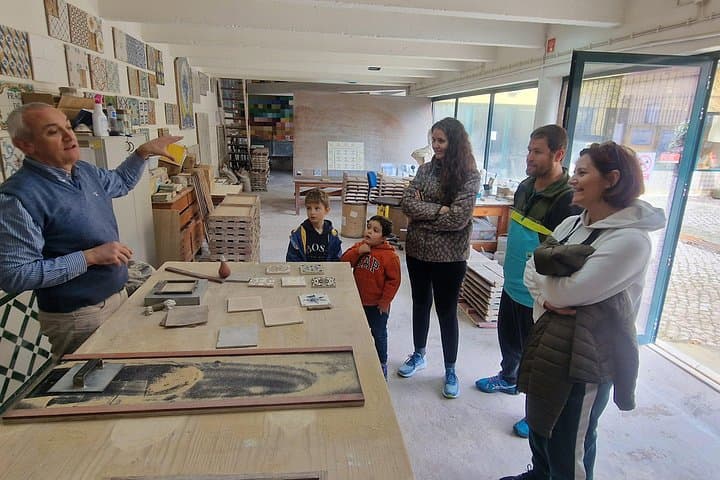
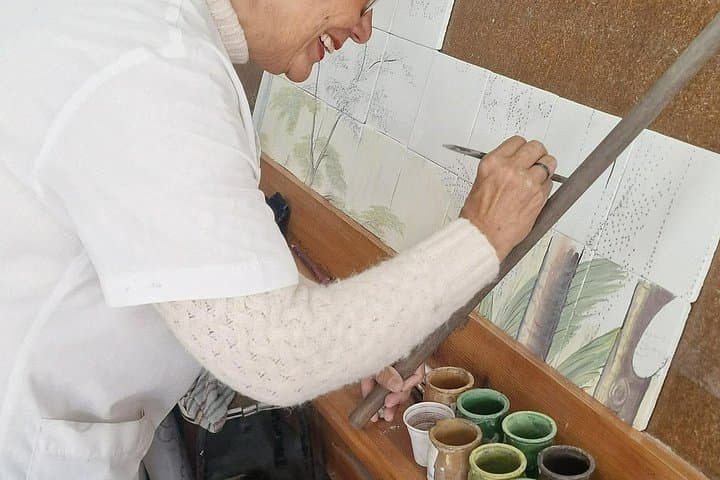
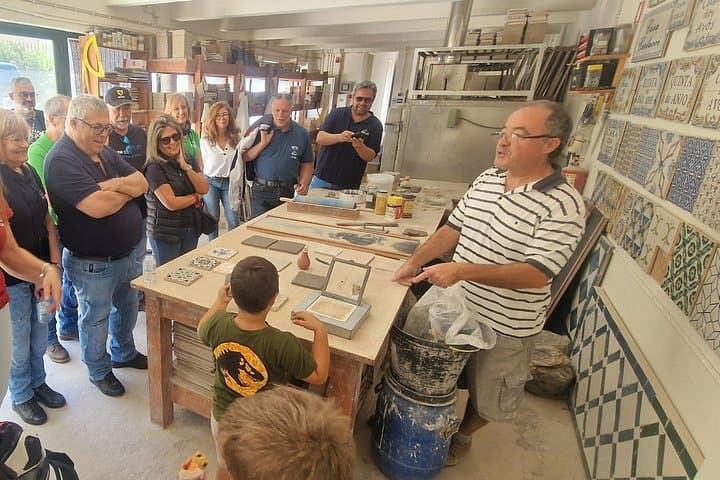
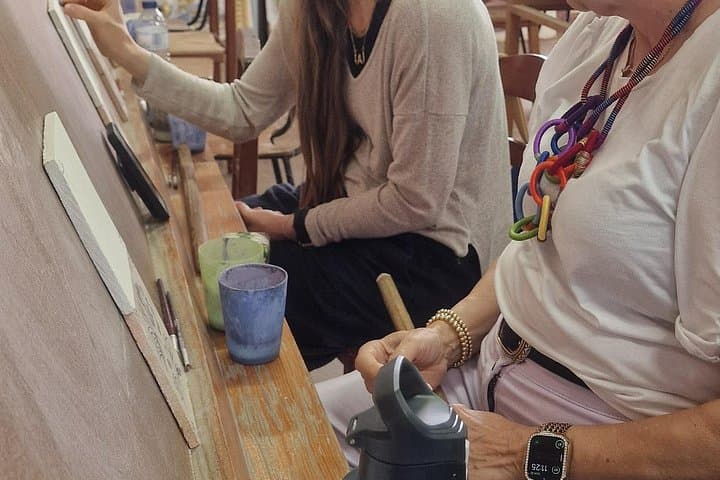
A morning begins in Lisbon with a quiet car folding out of the city and climbing toward the Arrábida hills; the road opens to sea-scrub slopes and sudden coastal blue that seems to push the view outward. You arrive at a modest studio where local artisans lay out brushes, pigments and unglazed ceramic tiles, and the tactile work of painting teaches a different pace — deliberate strokes, glazes, and a patience that belongs to place.
A morning begins in Lisbon with a quiet car folding out of the city and climbing toward the Arrábida hills; the road opens to sea-scrub slopes and sudden coastal blue that seems to push the view outward. You arrive at a modest studio where local artisans lay out brushes, pigments and unglazed ceramic tiles, and the tactile work of painting teaches a different pace — deliberate strokes, glazes, and a patience that belongs to place.
The tour threads history and geology: Setúbal’s Livramento Market, its 1930 tiled panels recording fishermen and farmers, speaks to the region’s long maritime life. The Arrábida ridge itself is a remnant of tectonic collision and limestone uplift, where Mediterranean maquis clings to steep karst slopes and limestone cliffs drop toward turquoise coves.
Culture here moves between small-scale craft and family-run cellars. At a quinta, guests taste wines shaped by thin soils and maritime breezes while learning about local varietals and production practices. The day closes with quiet coastal views, a short walk among scrub and olive groves, and a hand-painted tile boxed and shipped if needed.
Practical guidance: expect light walking between short stops, bring sun protection and a reusable bottle, and plan for a 7–8 hour day with hotel pickup. Photography is allowed in most places but respect working artisans; bring a small bag for purchases and expect card payments but carry a little cash for market snacks.
