THE ADVENTURE COLLECTIVE® · Independent discovery and booking for outdoor travel

Cycle across Switzerland on an 11‑day guided route that links lakes, medieval towns and low Jura climbs. Learn what to expect from daily distances, terrain, language zones and practical supports like GPS navigation and train bail-outs.
Cycle across Switzerland on an 11‑day guided route that links lakes, medieval towns and low Jura climbs. Learn what to expect from daily distances, terrain, language zones and practical supports like GPS navigation and train bail-outs.
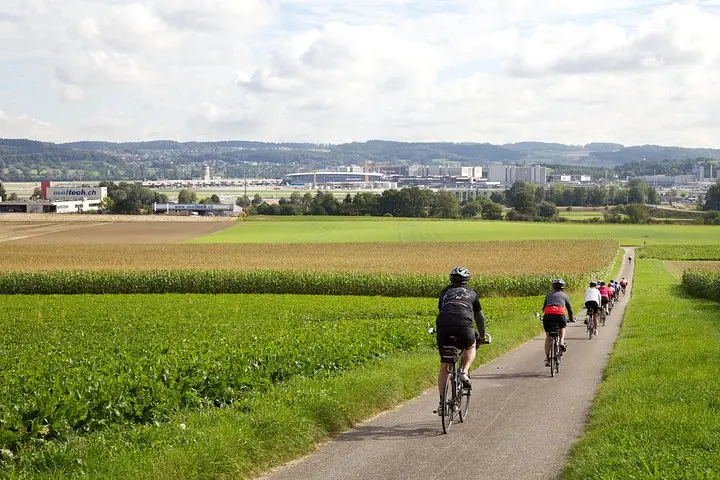
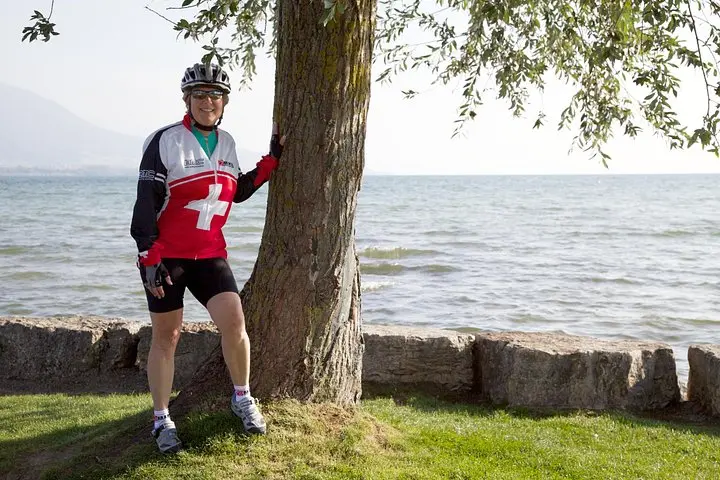
You roll out of Geneva before dawn, the city lights shrinking behind you while the first lake mists cling to road edges and the Aare river dares you to keep pace. Over the next ten riding days the route threads lakeshores, medieval streets and low Alpine foothills—each morning a new town on the map, each evening a hotel bed and local supper.
Verified experiences and guided adventures in the surrounding area.
Operated by Bike Switzerland · Geneva, Canton of Geneva
You roll out of Geneva before dawn, the city lights shrinking behind you while the first lake mists cling to road edges and the Aare river dares you to keep pace. Over the next ten riding days the route threads lakeshores, medieval streets and low Alpine foothills—each morning a new town on the map, each evening a hotel bed and local supper.
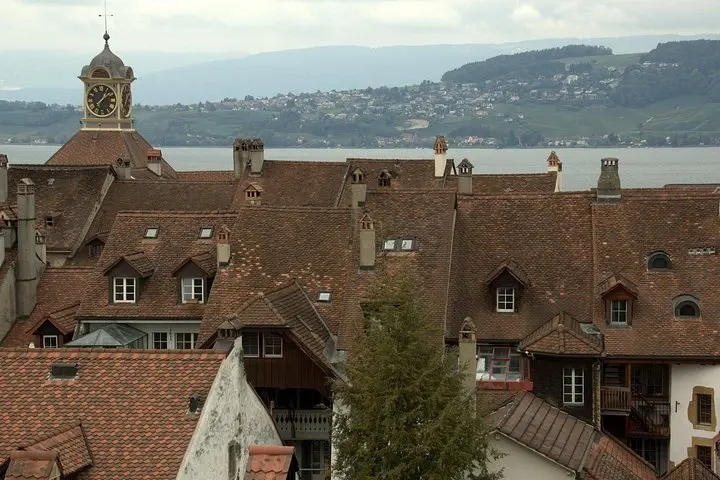
This is a route shaped by Switzerland’s transport logic and layered history: Roman roads repurposed as bike paths, medieval market towns on rivers that once moved trade and timber, and spa towns built where thermal springs shaped settlement. Geologically the line crosses molasse basins and the Jura’s lower slopes, so expect long flat lakefront stretches punctuated by short, rolling climbs rather than sustained alpine ascents.
Culturally the ride moves through francophone and German-speaking cantons—menus, signage and accents change in short stages—offering regional cheeses, vineyard terraces and monastery hospitality in equal measure.
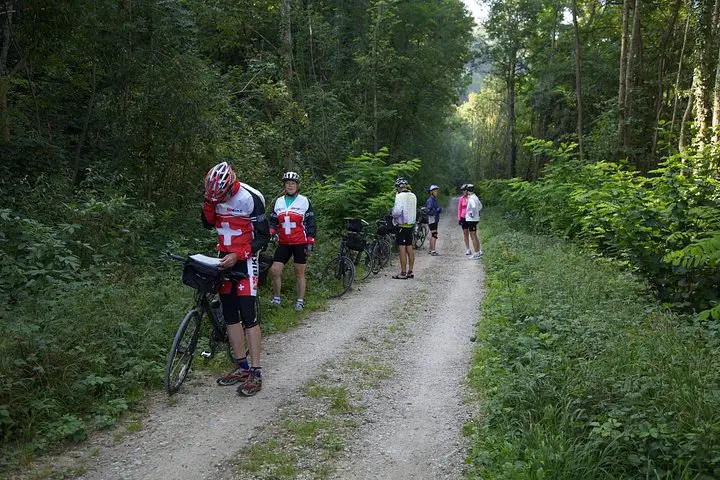
Practical guidance: the tour is achievable for riders in moderate shape—daily distances typically 40–76 km with modest elevation gains (200–750 m). The operator provides GPS turn-by-turn navigation, bicycle fitting and hotel rooms, and the Swiss rail network runs close to the route for bail-outs or shorter days.
Plan for variable weather, secure luggage transfers if you prefer lighter riding, and time in Solothurn for an optional Jura hike that rewards you with long views to the high Alps. Hydrate on warm days, use layered clothing for valley fog and river breezes, and allow an extra day in Bern or Romanshorn to recover and celebrate the crossing.
The tour provides turn-by-turn voice GPS navigation; local signage is generally good on major bike routes but GPS reduces left/right confusion in towns.
Bicycles are included with fitting at the shop; models suit road and mixed paved surfaces—confirm frame size and gearing when booking.
Yes—Swiss trains run close to many stages so you can shorten days or transfer to the next town; the operator can help arrange train travel back to Geneva.
Accommodations are 3–4 star hotels and a monastery stay—rooms are reserved each night and breakfast is included for all stays.
Bike Switzerland operates guided outdoor trips and adventures with an emphasis on safety, stewardship, and memorable experiences.
You roll out of Geneva before dawn, the city lights shrinking behind you while the first lake mists cling to road edges and the Aare river dares you to keep pace. Over the next ten riding days the route threads lakeshores, medieval streets and low Alpine foothills—each morning a new town on the map, each evening a hotel bed and local supper.
You roll out of Geneva before dawn, the city lights shrinking behind you while the first lake mists cling to road edges and the Aare river dares you to keep pace. Over the next ten riding days the route threads lakeshores, medieval streets and low Alpine foothills—each morning a new town on the map, each evening a hotel bed and local supper.
This is a route shaped by Switzerland’s transport logic and layered history: Roman roads repurposed as bike paths, medieval market towns on rivers that once moved trade and timber, and spa towns built where thermal springs shaped settlement. Geologically the line crosses molasse basins and the Jura’s lower slopes, so expect long flat lakefront stretches punctuated by short, rolling climbs rather than sustained alpine ascents.
Culturally the ride moves through francophone and German-speaking cantons—menus, signage and accents change in short stages—offering regional cheeses, vineyard terraces and monastery hospitality in equal measure.
Practical guidance: the tour is achievable for riders in moderate shape—daily distances typically 40–76 km with modest elevation gains (200–750 m). The operator provides GPS turn-by-turn navigation, bicycle fitting and hotel rooms, and the Swiss rail network runs close to the route for bail-outs or shorter days.
Plan for variable weather, secure luggage transfers if you prefer lighter riding, and time in Solothurn for an optional Jura hike that rewards you with long views to the high Alps. Hydrate on warm days, use layered clothing for valley fog and river breezes, and allow an extra day in Bern or Romanshorn to recover and celebrate the crossing.