THE ADVENTURE COLLECTIVE® · Independent discovery and booking for outdoor travel

Taste the full sweep of Indian cuisine across Bur Dubai in a four-hour walking tour that pairs street snacks with royal kebabs and an abra crossing on Dubai Creek. Learn the stories behind each dish while walking compact, food-forward streets.
Taste the full sweep of Indian cuisine across Bur Dubai in a four-hour walking tour that pairs street snacks with royal kebabs and an abra crossing on Dubai Creek. Learn the stories behind each dish while walking compact, food-forward streets.
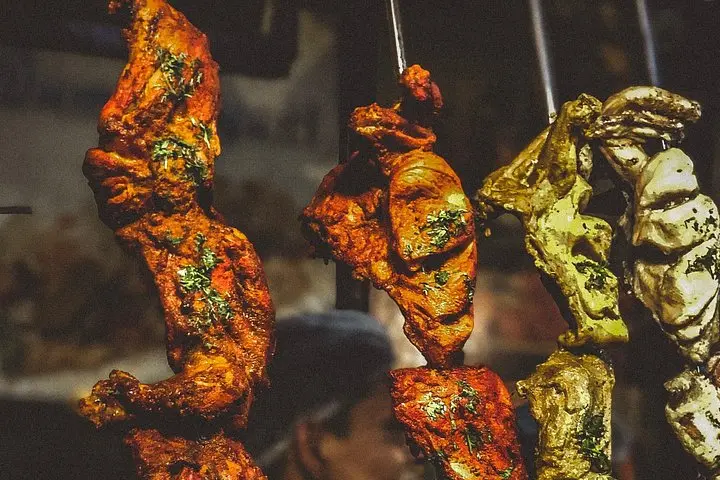
You step off the shaded lane and the scent of frying spices and charred kebab meets the warm air—this is Little India in Bur Dubai, where the city’s Indian diaspora pours decades of culinary habit into narrow streets and family-run kitchens.
Verified experiences and guided adventures in the surrounding area.
Operated by Explore Dubai with Gomez & Sandy (private tours only) · Dubai, Emirate of Dubai
You step off the shaded lane and the scent of frying spices and charred kebab meets the warm air—this is Little India in Bur Dubai, where the city’s Indian diaspora pours decades of culinary habit into narrow streets and family-run kitchens.
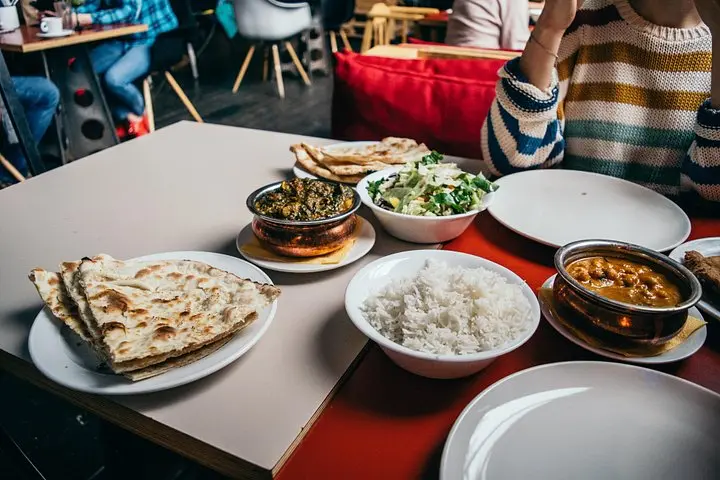
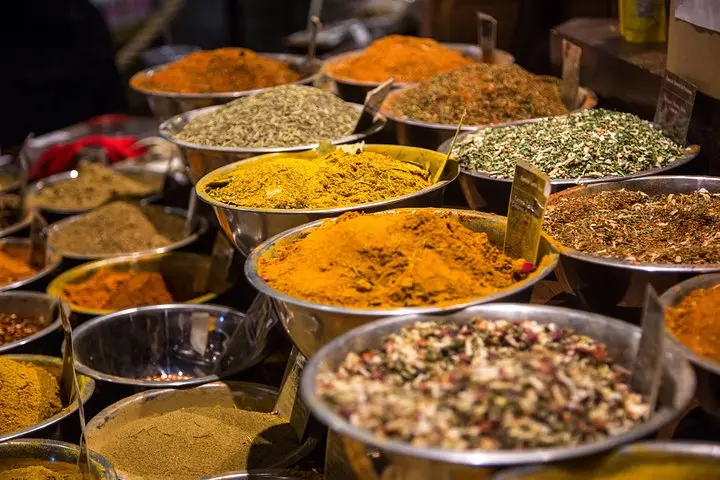
The tour threads through markets and alleys that grew up alongside Dubai Creek, the tidal inlet that shaped the city’s trading history. Here Mughal kebabs sit beside South Indian dosas; biryani carries saffron’s dusty gold, and lassis cool the mouth after a spicy bite. The area’s culture reflects waves of migration from India’s many states: Punjabi grills, Hyderabadi rice, Chettinad spice, each dish a short story of place and people.
Geology shows up in the creek’s mudflats and the old dhows that once moved goods between the Arabian Gulf and the subcontinent—today an abra crossing adds a quick, photogenic link to the tour.
Expect about four hours of mostly flat walking, around 2–3 km on compact city streets with several food stops (roughly 12–15 tastings). Guides explain ingredients, preparation and how dishes migrated to Dubai. The pace is social rather than athletic; wear comfortable shoes and carry water.
Practicalities: mention allergies at booking, bring cash for small purchases, and plan tours outside peak afternoon heat in summer. The walk is best between October and April when evenings are cool.
This is a taste-first urban adventure—equal parts history, neighborhood life and hands-on sampling—ideal for travelers who want flavor, context and a little local movement between bites.
Yes—you must declare allergies or dietary needs at booking so the guide can tailor stops and warn vendors; strict cross-contamination avoidance cannot be guaranteed at all street stalls.
Expect about 2–3 km of mostly flat walking over 3–4 hours with frequent stops for tastings and an abra crossing across Dubai Creek.
Yes—families with children are welcome; note that some spice levels may be high and a minimum of two participants is required for the experience.
The tour includes multiple tastings, but bringing small amounts of AED is recommended for additional purchases, tips, or drinks not included.
Explore Dubai with Gomez & Sandy (private tours only) operates guided outdoor trips and adventures with an emphasis on safety, stewardship, and memorable experiences.
You step off the shaded lane and the scent of frying spices and charred kebab meets the warm air—this is Little India in Bur Dubai, where the city’s Indian diaspora pours decades of culinary habit into narrow streets and family-run kitchens.
You step off the shaded lane and the scent of frying spices and charred kebab meets the warm air—this is Little India in Bur Dubai, where the city’s Indian diaspora pours decades of culinary habit into narrow streets and family-run kitchens.
The tour threads through markets and alleys that grew up alongside Dubai Creek, the tidal inlet that shaped the city’s trading history. Here Mughal kebabs sit beside South Indian dosas; biryani carries saffron’s dusty gold, and lassis cool the mouth after a spicy bite. The area’s culture reflects waves of migration from India’s many states: Punjabi grills, Hyderabadi rice, Chettinad spice, each dish a short story of place and people.
Geology shows up in the creek’s mudflats and the old dhows that once moved goods between the Arabian Gulf and the subcontinent—today an abra crossing adds a quick, photogenic link to the tour.
Expect about four hours of mostly flat walking, around 2–3 km on compact city streets with several food stops (roughly 12–15 tastings). Guides explain ingredients, preparation and how dishes migrated to Dubai. The pace is social rather than athletic; wear comfortable shoes and carry water.
Practicalities: mention allergies at booking, bring cash for small purchases, and plan tours outside peak afternoon heat in summer. The walk is best between October and April when evenings are cool.
This is a taste-first urban adventure—equal parts history, neighborhood life and hands-on sampling—ideal for travelers who want flavor, context and a little local movement between bites.