THE ADVENTURE COLLECTIVE® · Independent discovery and booking for outdoor travel

Step into Sakai’s samurai-era world with hands-on knife-making, a formal tea ceremony, and multi-course kaiseki cuisine. This five-hour private tour blends craftsmanship, culinary tradition, and living history in the birthplace of Japan’s finest blades.
Step into Sakai’s samurai-era world with hands-on knife-making, a formal tea ceremony, and multi-course kaiseki cuisine. This five-hour private tour blends craftsmanship, culinary tradition, and living history in the birthplace of Japan’s finest blades.
A cool morning on the Sakai waterfront sets the scene: gulls wheel over Osaka Bay, canal water pushes past stone weirs, and a narrow street of small workshops smells faintly of oil and hot steel. The tour starts at Porto no Suke Bridge, where a guide outlines Sakai’s role as a bustling Edo-period trade hub, then moves through a day of deliberate craft and ritual.
Verified experiences and guided adventures in the surrounding area.
Operated by 堺歴史体験ツアー – 「異国の商人と堺の秘密」 · Sakai, Osaka Prefecture
A cool morning on the Sakai waterfront sets the scene: gulls wheel over Osaka Bay, canal water pushes past stone weirs, and a narrow street of small workshops smells faintly of oil and hot steel. The tour starts at Porto no Suke Bridge, where a guide outlines Sakai’s role as a bustling Edo-period trade hub, then moves through a day of deliberate craft and ritual.
Sakai’s history is visible in every lane. Once a port city that supplied weapons and goods to the Shōgun, its knife-making tradition traces back centuries; nearby tomb mounds from the Kofun era and the legacy of tea master Sen no Rikyu add cultural weight. Geologically the city sits on the Osaka Plain—flat, reclaimed land shaped by rivers and tides—which made it ideal for commerce and craftwork.
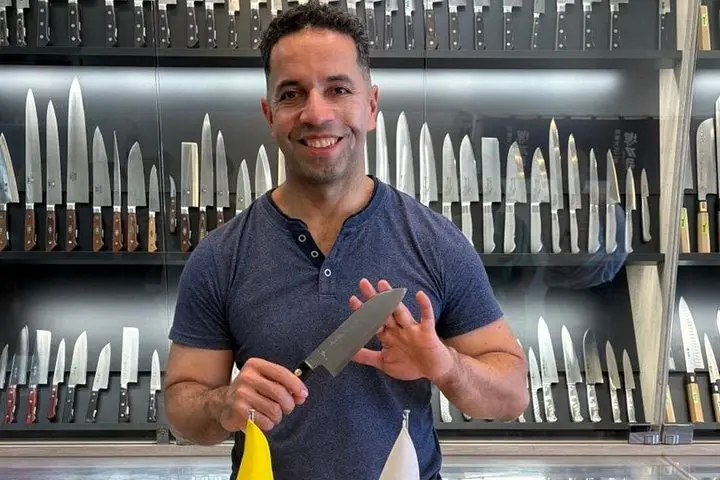
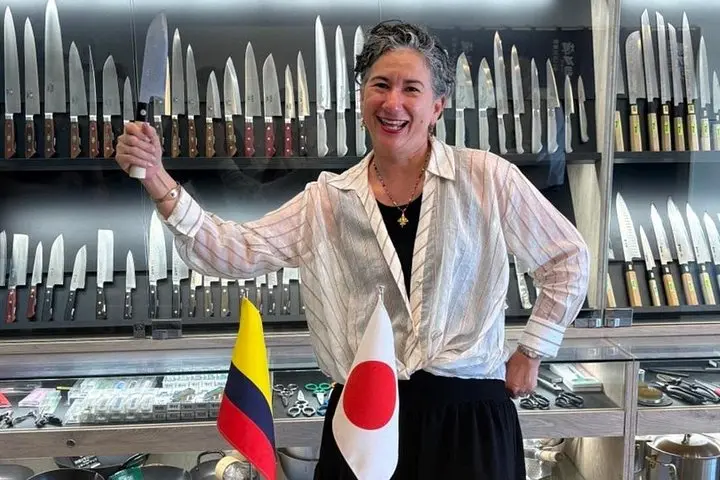
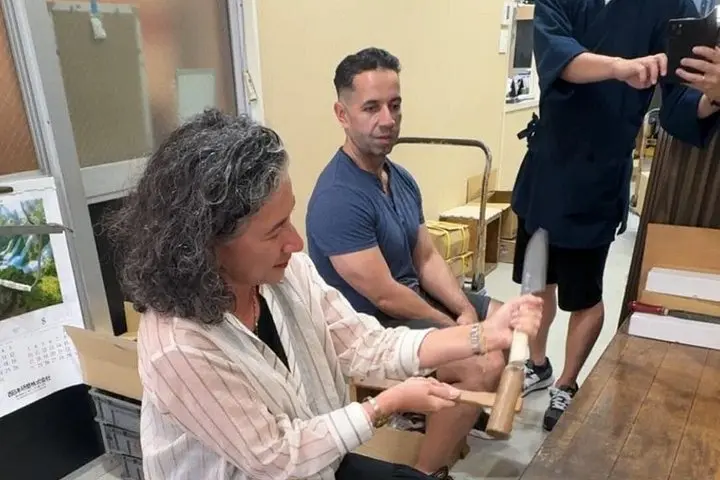
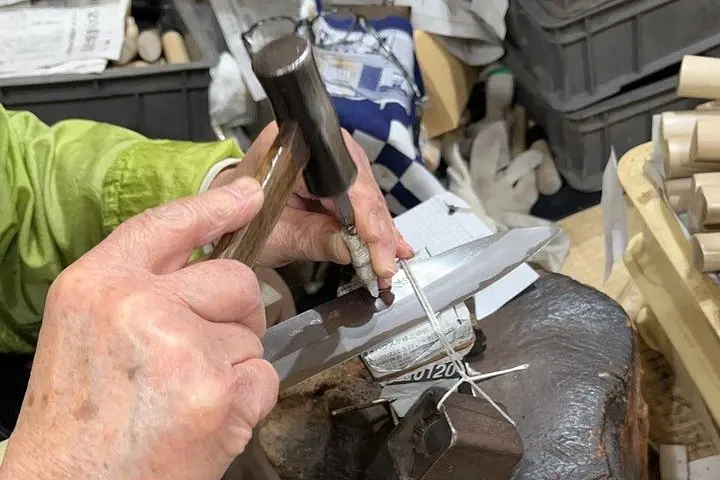
Participants dine on seasonal kaiseki—carefully paced courses that reflect local produce—then enter Rishō-no-Mori for a formal tea ceremony where silence and precision are part of the lesson. At Sakai Tōji, artisans demonstrate blade finishing; guests fit handles and leave with an engraved blade made on-site, a tangible link to the city’s craft lineage.
Practical guidance: this private, five-hour experience involves light walking on paved streets and inside workshops—comfortable shoes and modest clothing are advised. Photography is usually welcome but respect workshop rules and tea-room etiquette; avoid flash. If you plan to transport a blade afterward, know that aviation and customs rules restrict carrying knives—arrange checked luggage or local shipment. Book ahead, bring ID for engraving, and allow time to savor the food and ceremony—this is a day built around craft, not speed.
Yes—this experience includes a multi-course kaiseki lunch with vegetarian and vegan options available.
Knives are generally not allowed in carry-on luggage; you must follow your airline’s rules for checked baggage or arrange local shipping.
Yes—the tea ceremony is presented for visitors and guided by a host; it’s appropriate for first-timers who follow etiquette cues.
The tour involves standing and some walking; it is not recommended for those with serious back, heart, or pregnancy-related concerns—check provider restrictions before booking.
堺歴史体験ツアー – 「異国の商人と堺の秘密」 operates guided outdoor trips and adventures with an emphasis on safety, stewardship, and memorable experiences.
A cool morning on the Sakai waterfront sets the scene: gulls wheel over Osaka Bay, canal water pushes past stone weirs, and a narrow street of small workshops smells faintly of oil and hot steel. The tour starts at Porto no Suke Bridge, where a guide outlines Sakai’s role as a bustling Edo-period trade hub, then moves through a day of deliberate craft and ritual.
A cool morning on the Sakai waterfront sets the scene: gulls wheel over Osaka Bay, canal water pushes past stone weirs, and a narrow street of small workshops smells faintly of oil and hot steel. The tour starts at Porto no Suke Bridge, where a guide outlines Sakai’s role as a bustling Edo-period trade hub, then moves through a day of deliberate craft and ritual.
Sakai’s history is visible in every lane. Once a port city that supplied weapons and goods to the Shōgun, its knife-making tradition traces back centuries; nearby tomb mounds from the Kofun era and the legacy of tea master Sen no Rikyu add cultural weight. Geologically the city sits on the Osaka Plain—flat, reclaimed land shaped by rivers and tides—which made it ideal for commerce and craftwork.
Participants dine on seasonal kaiseki—carefully paced courses that reflect local produce—then enter Rishō-no-Mori for a formal tea ceremony where silence and precision are part of the lesson. At Sakai Tōji, artisans demonstrate blade finishing; guests fit handles and leave with an engraved blade made on-site, a tangible link to the city’s craft lineage.
Practical guidance: this private, five-hour experience involves light walking on paved streets and inside workshops—comfortable shoes and modest clothing are advised. Photography is usually welcome but respect workshop rules and tea-room etiquette; avoid flash. If you plan to transport a blade afterward, know that aviation and customs rules restrict carrying knives—arrange checked luggage or local shipment. Book ahead, bring ID for engraving, and allow time to savor the food and ceremony—this is a day built around craft, not speed.