THE ADVENTURE COLLECTIVE® · Independent discovery and booking for outdoor travel

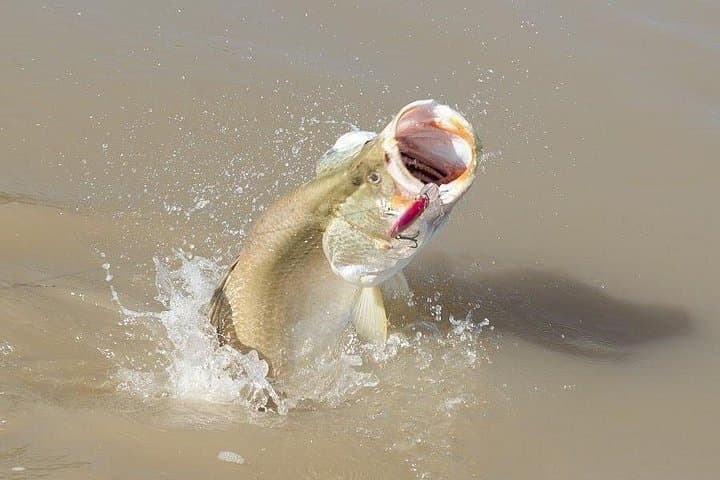
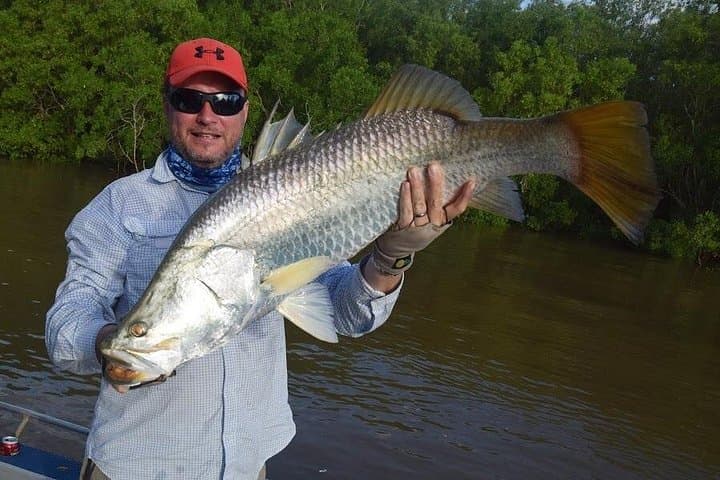
Board a mother ship in Darwin and head into the remote rivers of Australia’s Top End for multi-day barramundi fishing. Expect mudflats, mangrove-lined creeks, crocodile sightings, and guided angling with all gear provided.
Board a mother ship in Darwin and head into the remote rivers of Australia’s Top End for multi-day barramundi fishing. Expect mudflats, mangrove-lined creeks, crocodile sightings, and guided angling with all gear provided.
Low clouds break over mangrove crowns as the mother ship slips from Darwin Harbour into tidal channels that wind like veins across the floodplain. Rods are rigged on the aft deck, and the salt-sweet air carries the distant cry of sea birds while guides study tide charts and satellite maps. By night the vessel becomes a basecamp; by day it pushes into remote rivers where mudbanks and paperbark stands hold waiting barramundi.
Verified experiences and guided adventures in the surrounding area.
Operated by Spring Tide Safaris · Darwin, Northern Territory
Low clouds break over mangrove crowns as the mother ship slips from Darwin Harbour into tidal channels that wind like veins across the floodplain. Rods are rigged on the aft deck, and the salt-sweet air carries the distant cry of sea birds while guides study tide charts and satellite maps. By night the vessel becomes a basecamp; by day it pushes into remote rivers where mudbanks and paperbark stands hold waiting barramundi.
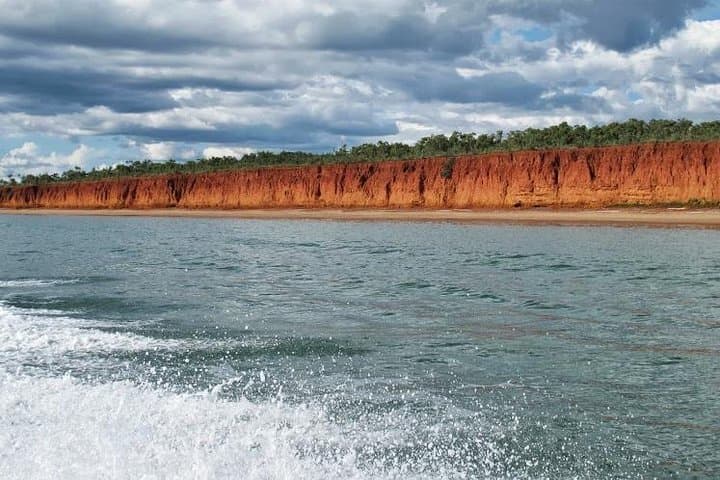
This region sits at the edge of Australia’s tropical Top End, shaped by seasonal run-off and ancient sandstone shelves. The river systems — Moyle, Little Moyle, Marry and Anson Bay creeks — are carved by the wet-season pulse, then reveal sandbars and tidal flats in the dry months. Local Indigenous communities have fished these waterways for millennia; contemporary guide operations blend that local knowledge with modern tackle and safety procedures.
Expect a mix of estuarine flats fishing, creek casting under mangroves, and occasional blue-water opportunities offshore. Wildlife encounters are frequent: estuarine crocodiles sunning on banks, egrets quartering shallows, and raptors riding thermal lifts.
Practicalities: multi-night bookings typically start and end in Darwin, with transfers arranged. Bring sun-protective clothing, a good headlamp, and quick-dry layers; insect repellent and sea-sickness remedies are essential in the build-up and wet seasons. Guides provide rods, bait, and safety briefings; anglers should be prepared for long casting sessions and variable conditions. Timing your trip for the run-off (Feb–May) or build-up (Sep–Dec) will change accessibility and species activity — consult the operator for exact itineraries and weather-dependent plans.
No — most liveaboard safaris supply rods, reels, terminal tackle and bait; check with the operator if you prefer to use personal gear.
Operators may allow children but policies vary; infants often must sit on laps and parents should confirm safety provisions before booking.
Yes — estuarine (saltwater) crocodiles are common; guides will brief you on safe behavior and viewing distances.
Trips visit remote rivers where medical access is limited; operators carry first-aid kits and satellite comms, but travelers with serious medical conditions should consult their doctor before booking.
Spring Tide Safaris operates guided outdoor trips and adventures with an emphasis on safety, stewardship, and memorable experiences.

Low clouds break over mangrove crowns as the mother ship slips from Darwin Harbour into tidal channels that wind like veins across the floodplain. Rods are rigged on the aft deck, and the salt-sweet air carries the distant cry of sea birds while guides study tide charts and satellite maps. By night the vessel becomes a basecamp; by day it pushes into remote rivers where mudbanks and paperbark stands hold waiting barramundi.
Low clouds break over mangrove crowns as the mother ship slips from Darwin Harbour into tidal channels that wind like veins across the floodplain. Rods are rigged on the aft deck, and the salt-sweet air carries the distant cry of sea birds while guides study tide charts and satellite maps. By night the vessel becomes a basecamp; by day it pushes into remote rivers where mudbanks and paperbark stands hold waiting barramundi.
This region sits at the edge of Australia’s tropical Top End, shaped by seasonal run-off and ancient sandstone shelves. The river systems — Moyle, Little Moyle, Marry and Anson Bay creeks — are carved by the wet-season pulse, then reveal sandbars and tidal flats in the dry months. Local Indigenous communities have fished these waterways for millennia; contemporary guide operations blend that local knowledge with modern tackle and safety procedures.
Expect a mix of estuarine flats fishing, creek casting under mangroves, and occasional blue-water opportunities offshore. Wildlife encounters are frequent: estuarine crocodiles sunning on banks, egrets quartering shallows, and raptors riding thermal lifts.
Practicalities: multi-night bookings typically start and end in Darwin, with transfers arranged. Bring sun-protective clothing, a good headlamp, and quick-dry layers; insect repellent and sea-sickness remedies are essential in the build-up and wet seasons. Guides provide rods, bait, and safety briefings; anglers should be prepared for long casting sessions and variable conditions. Timing your trip for the run-off (Feb–May) or build-up (Sep–Dec) will change accessibility and species activity — consult the operator for exact itineraries and weather-dependent plans.