THE ADVENTURE COLLECTIVE® · Independent discovery and booking for outdoor travel

Race through village streets and crooked alleys with a live remote host guiding your team. This two-hour interactive scavenger hunt mixes local history, creative challenges, and hands-on clues for families, friends, and corporate groups.
Race through village streets and crooked alleys with a live remote host guiding your team. This two-hour interactive scavenger hunt mixes local history, creative challenges, and hands-on clues for families, friends, and corporate groups.
The first clue drops as you stand on a busy village corner, phone in hand and the town’s storefronts leaning in like gossiping neighbors. You’ll move through streets that shift from weathered brick to glossy café fronts, switching between sidewalk puzzles and indoor quick-challenges as a live remote host nudges you forward.
Verified experiences and guided adventures in the surrounding area.
Operated by Alley Kat Adventures · Huntington, New York
The first clue drops as you stand on a busy village corner, phone in hand and the town’s storefronts leaning in like gossiping neighbors. You’ll move through streets that shift from weathered brick to glossy café fronts, switching between sidewalk puzzles and indoor quick-challenges as a live remote host nudges you forward.
Long Island’s settlements grew from colonial trading posts and maritime villages; centuries of shells and glacial deposits underfoot still define the low, rolling topography. In Huntington and similar towns the harbor shaped commerce and culture, and local murals, old post office facades, and sidelined sculptures give away the area’s stories if you know how to look.
The hunt’s design encourages conversation with shop owners, a test of local history, and playful detours that reveal neighborhood characters — from artists to longtime ice-cream purveyors. The rhythm alternates: brisk sprints between checkpoints, slow inspections of plaques and oddities, and laughter-heavy bonus tasks that demand creativity rather than speed.
Practical guidance: bring a fully charged smartphone with data and a portable battery, wear comfortable walking shoes, and plan for 90–150 minutes on foot and occasional short drives. Public transit can get you to central starting points, but parking is available in most downtowns. Expect mixed indoor/outdoor legs — check weather and bring layers. Teams work best with at least one member comfortable with maps and another with a camera eye; the remote host handles scoring and hints. This scavenger hunt is social, low-impact, and designed for groups seeking playful competition while learning local history and culture.
The standard hunt runs about two hours, though teams often extend play with bonus challenges—plan for 90–150 minutes.
Yes; the game is suitable for families and leashed dogs, though some indoor stops may limit pet access.
No—clues provide context and the remote host offers hints; curiosity and teamwork matter more than prior knowledge.
You can pause and reconnect when possible; a backup battery is recommended and hosts can reschedule or assist if needed.
Alley Kat Adventures operates guided outdoor trips and adventures with an emphasis on safety, stewardship, and memorable experiences.
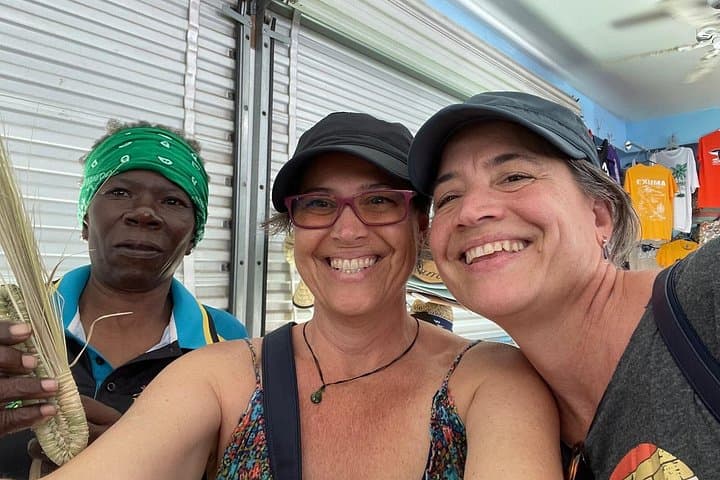
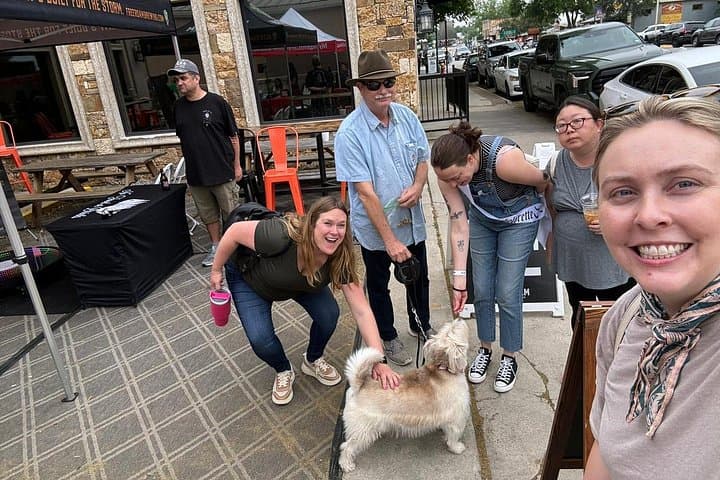


The first clue drops as you stand on a busy village corner, phone in hand and the town’s storefronts leaning in like gossiping neighbors. You’ll move through streets that shift from weathered brick to glossy café fronts, switching between sidewalk puzzles and indoor quick-challenges as a live remote host nudges you forward.
The first clue drops as you stand on a busy village corner, phone in hand and the town’s storefronts leaning in like gossiping neighbors. You’ll move through streets that shift from weathered brick to glossy café fronts, switching between sidewalk puzzles and indoor quick-challenges as a live remote host nudges you forward.
Long Island’s settlements grew from colonial trading posts and maritime villages; centuries of shells and glacial deposits underfoot still define the low, rolling topography. In Huntington and similar towns the harbor shaped commerce and culture, and local murals, old post office facades, and sidelined sculptures give away the area’s stories if you know how to look.
The hunt’s design encourages conversation with shop owners, a test of local history, and playful detours that reveal neighborhood characters — from artists to longtime ice-cream purveyors. The rhythm alternates: brisk sprints between checkpoints, slow inspections of plaques and oddities, and laughter-heavy bonus tasks that demand creativity rather than speed.
Practical guidance: bring a fully charged smartphone with data and a portable battery, wear comfortable walking shoes, and plan for 90–150 minutes on foot and occasional short drives. Public transit can get you to central starting points, but parking is available in most downtowns. Expect mixed indoor/outdoor legs — check weather and bring layers. Teams work best with at least one member comfortable with maps and another with a camera eye; the remote host handles scoring and hints. This scavenger hunt is social, low-impact, and designed for groups seeking playful competition while learning local history and culture.