THE ADVENTURE COLLECTIVE® · Independent discovery and booking for outdoor travel

Walk Liverpool’s shadowed streets on a private 90-minute tour that explores prison cells, wartime scars, and the city’s links to the transatlantic slave trade. Led by a local guide, the route balances spine-tingling stories with sober historical context.
Walk Liverpool’s shadowed streets on a private 90-minute tour that explores prison cells, wartime scars, and the city’s links to the transatlantic slave trade. Led by a local guide, the route balances spine-tingling stories with sober historical context.
The tour opens beneath the carved stone façade of St George's Hall as the city lights throw long shadows across wet cobbles. A private guide leads the group into lanes where the past lingers: cellar mouths, bomb-scarred churchyards and the raised ridges of old dock walls. The Mersey huffs beyond the piers, a constant low voice that frames the city's darker stories.
Verified experiences and guided adventures in the surrounding area.
Operated by Walking Tours in England · Liverpool, Merseyside
The tour opens beneath the carved stone façade of St George's Hall as the city lights throw long shadows across wet cobbles. A private guide leads the group into lanes where the past lingers: cellar mouths, bomb-scarred churchyards and the raised ridges of old dock walls. The Mersey huffs beyond the piers, a constant low voice that frames the city's darker stories.
Liverpool's dark side is rooted in real history — Georgian prisons on Castle Street, converted Bridewell cells, Victorian courts and the city's central role in the transatlantic slave trade. WWII air raids tore through neighborhoods you pass, and remnants of cellars and catacombs reveal how the port's geology and reclaimed docklands shaped where people lived and where secrets lay underground. Local culture here is pragmatic; guides balance grisly anecdotes with sober context about crime, punishment and commerce that built the city.
Expect a 90-minute, low-impact urban walk on pavement and occasional uneven stones; several stops are outdoors at memorials, gardens, and former prison sites. The guide will point out plaques, hidden arches and the Liverpool Parish Church Gardens where wartime damage and civic memory intersect. Practical tips: wear waterproof shoes and a warm layer, bring a flashlight for steps, and allow time before or after for Liverpool's waterfront bars and museums.
This is a private, accessible tour that suits most fitness levels but covers narrow lanes and steps; it’s best undertaken after dusk to catch the atmosphere. Be respectful at sites tied to slavery and wartime loss — these are living histories, not haunted props.
Yes; the provider indicates wheelchair and stroller accessibility for main areas, but contact the operator ahead to confirm any specific mobility needs.
Guiding is delivered in English by a local guide; private format allows for pacing and questions throughout.
The experience is designed for low-light conditions to enhance atmosphere; confirm scheduled start time when booking—total duration is about 90 minutes.
Full refunds are available if you cancel at least 24 hours before the scheduled departure; check your booking confirmation for details.
Walking Tours in England operates guided outdoor trips and adventures with an emphasis on safety, stewardship, and memorable experiences.
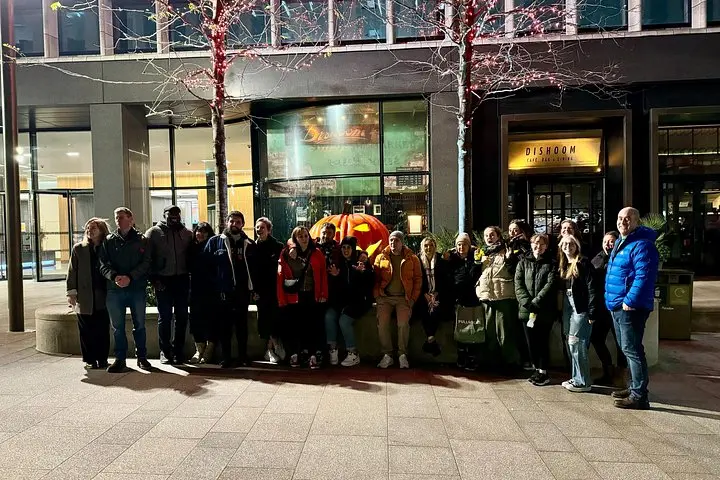
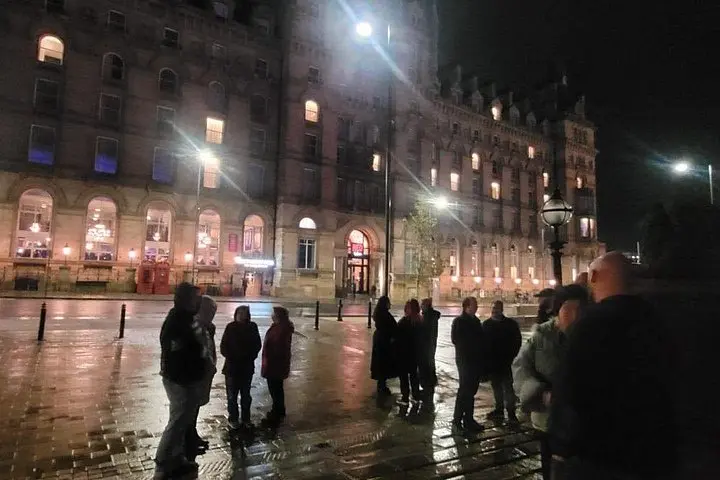
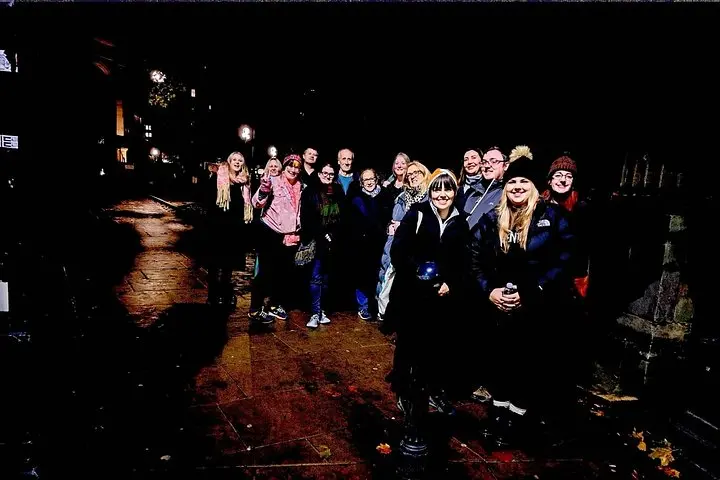
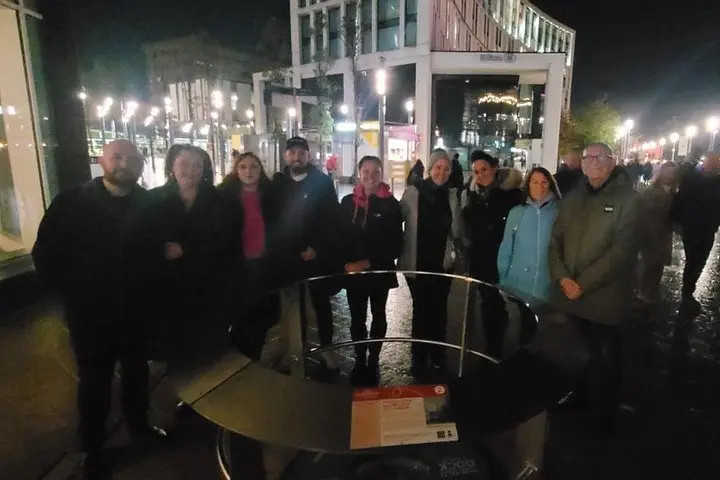
The tour opens beneath the carved stone façade of St George's Hall as the city lights throw long shadows across wet cobbles. A private guide leads the group into lanes where the past lingers: cellar mouths, bomb-scarred churchyards and the raised ridges of old dock walls. The Mersey huffs beyond the piers, a constant low voice that frames the city's darker stories.
The tour opens beneath the carved stone façade of St George's Hall as the city lights throw long shadows across wet cobbles. A private guide leads the group into lanes where the past lingers: cellar mouths, bomb-scarred churchyards and the raised ridges of old dock walls. The Mersey huffs beyond the piers, a constant low voice that frames the city's darker stories.
Liverpool's dark side is rooted in real history — Georgian prisons on Castle Street, converted Bridewell cells, Victorian courts and the city's central role in the transatlantic slave trade. WWII air raids tore through neighborhoods you pass, and remnants of cellars and catacombs reveal how the port's geology and reclaimed docklands shaped where people lived and where secrets lay underground. Local culture here is pragmatic; guides balance grisly anecdotes with sober context about crime, punishment and commerce that built the city.
Expect a 90-minute, low-impact urban walk on pavement and occasional uneven stones; several stops are outdoors at memorials, gardens, and former prison sites. The guide will point out plaques, hidden arches and the Liverpool Parish Church Gardens where wartime damage and civic memory intersect. Practical tips: wear waterproof shoes and a warm layer, bring a flashlight for steps, and allow time before or after for Liverpool's waterfront bars and museums.
This is a private, accessible tour that suits most fitness levels but covers narrow lanes and steps; it’s best undertaken after dusk to catch the atmosphere. Be respectful at sites tied to slavery and wartime loss — these are living histories, not haunted props.