THE ADVENTURE COLLECTIVE® · Independent discovery and booking for outdoor travel

Explore the interior of Liverpool’s historic Masonic Hall on Hope Street. This two-hour guided tour opens working lodge rooms, reveals Victorian masonry and explains Freemasonry’s local role from the 1600s to today.
Explore the interior of Liverpool’s historic Masonic Hall on Hope Street. This two-hour guided tour opens working lodge rooms, reveals Victorian masonry and explains Freemasonry’s local role from the 1600s to today.
You step through a heavy door on Hope Street and the city’s chatter falls away—wood polish, brass, and cool stone greet you. Light from tall windows slices across checkerboard floors; stair treads creak with stories. The Liverpool Masonic Hall feels like a working theatrical set, but it’s a living institution where ritual, craft and civic life have met for centuries.
Verified experiences and guided adventures in the surrounding area.
Operated by LiverpoolGO · Liverpool, Merseyside
You step through a heavy door on Hope Street and the city’s chatter falls away—wood polish, brass, and cool stone greet you. Light from tall windows slices across checkerboard floors; stair treads creak with stories. The Liverpool Masonic Hall feels like a working theatrical set, but it’s a living institution where ritual, craft and civic life have met for centuries.
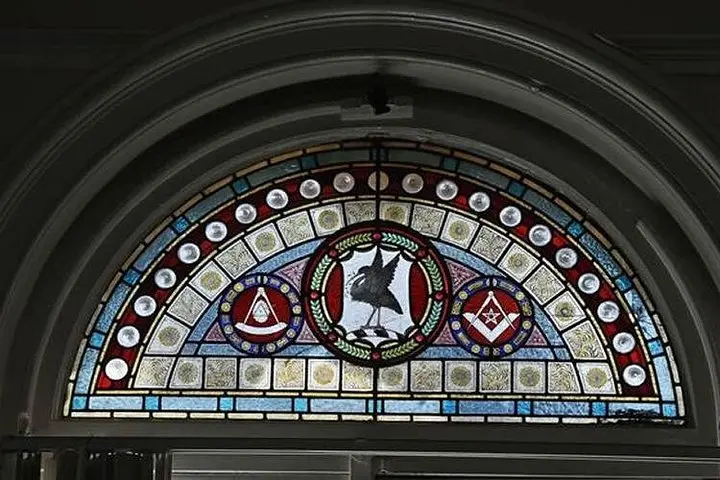
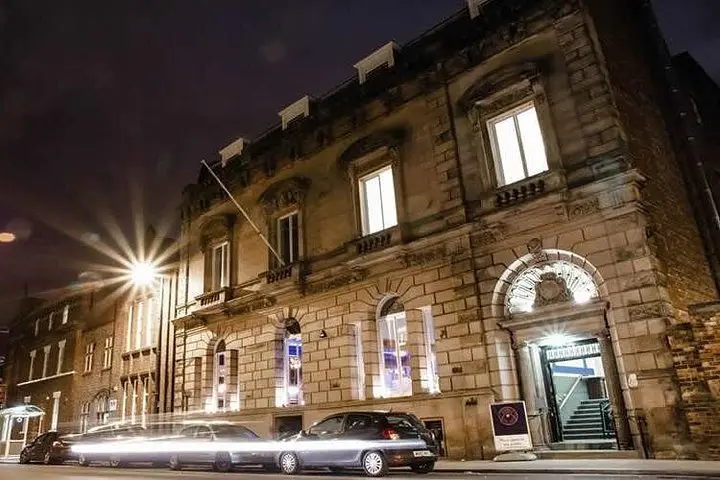
Freemasonry in West Lancashire stretches back to the 1640s, and the Hope Street Hall that visitors see today grew from a mid-19th-century house into the purpose-built 1874 hall, later extended as membership rose. The building’s rooms—most notably the Roman Room and the Egyptian Room—declare their influences in painted friezes, carved woodwork and symbolic tools once linked to operative stonemasons who worked on the city’s great buildings.
Architecturally, the hall displays Victorian masonry and interior ornament drawn from revival styles; the material story is one of local stone, timber joinery and decorative plaster shaped by hands tied to Liverpool’s 19th-century boom. Cultural context matters here: this is a social history stop that complements walks around Hope Street, Liverpool Cathedral and St James Cemetery where many lodge members are memorialized.
Practical guidance: tours run about two hours with stair access and some narrow passages—moderate mobility helps. Photography is restricted in ceremonial spaces; follow the guide. Arrive by bus or on foot—parking is limited—and bring layers for cool interior air. Ask about accessibility when booking and plan time before or after to explore Hope Street’s cafés and independent bookshops. The visit rewards curiosity: it’s an interior tour that connects craft, civic life and local memory.
Some areas have stairs and narrow doorways; contact the operator in advance to confirm accessible routes and possible accommodations.
Photography is restricted in certain ceremonial rooms—your guide will advise where photos are allowed.
Children can join but the content is historical and sometimes symbolic; the tour is best suited to older children who can follow etiquette rules.
Bookings are instant; cancel at least 24 hours before departure for a full refund as per the operator’s standard policy.
LiverpoolGO operates guided outdoor trips and adventures with an emphasis on safety, stewardship, and memorable experiences.


You step through a heavy door on Hope Street and the city’s chatter falls away—wood polish, brass, and cool stone greet you. Light from tall windows slices across checkerboard floors; stair treads creak with stories. The Liverpool Masonic Hall feels like a working theatrical set, but it’s a living institution where ritual, craft and civic life have met for centuries.
You step through a heavy door on Hope Street and the city’s chatter falls away—wood polish, brass, and cool stone greet you. Light from tall windows slices across checkerboard floors; stair treads creak with stories. The Liverpool Masonic Hall feels like a working theatrical set, but it’s a living institution where ritual, craft and civic life have met for centuries.
Freemasonry in West Lancashire stretches back to the 1640s, and the Hope Street Hall that visitors see today grew from a mid-19th-century house into the purpose-built 1874 hall, later extended as membership rose. The building’s rooms—most notably the Roman Room and the Egyptian Room—declare their influences in painted friezes, carved woodwork and symbolic tools once linked to operative stonemasons who worked on the city’s great buildings.
Architecturally, the hall displays Victorian masonry and interior ornament drawn from revival styles; the material story is one of local stone, timber joinery and decorative plaster shaped by hands tied to Liverpool’s 19th-century boom. Cultural context matters here: this is a social history stop that complements walks around Hope Street, Liverpool Cathedral and St James Cemetery where many lodge members are memorialized.
Practical guidance: tours run about two hours with stair access and some narrow passages—moderate mobility helps. Photography is restricted in ceremonial spaces; follow the guide. Arrive by bus or on foot—parking is limited—and bring layers for cool interior air. Ask about accessibility when booking and plan time before or after to explore Hope Street’s cafés and independent bookshops. The visit rewards curiosity: it’s an interior tour that connects craft, civic life and local memory.