THE ADVENTURE COLLECTIVE® · Independent discovery and booking for outdoor travel

Trace Liverpool’s rise from a medieval fishing hamlet to a global port on this 110‑minute guided walk. Hear archival stories at the Royal Liver Building, Old Dock and Royal Albert Dock while walking mostly flat, wheelchair‑accessible streets.
Trace Liverpool’s rise from a medieval fishing hamlet to a global port on this 110‑minute guided walk. Hear archival stories at the Royal Liver Building, Old Dock and Royal Albert Dock while walking mostly flat, wheelchair‑accessible streets.
You meet at the Royal Liver Building as gulls wheel above the river and the Mersey dares you to look back at the city’s busiest century. The tour moves along paved waterfront and stone streets, voice of a local historian mapping centuries into blocks, docks and façades.
Verified experiences and guided adventures in the surrounding area.
Operated by Global City Experience · Liverpool, Merseyside
You meet at the Royal Liver Building as gulls wheel above the river and the Mersey dares you to look back at the city’s busiest century. The tour moves along paved waterfront and stone streets, voice of a local historian mapping centuries into blocks, docks and façades.
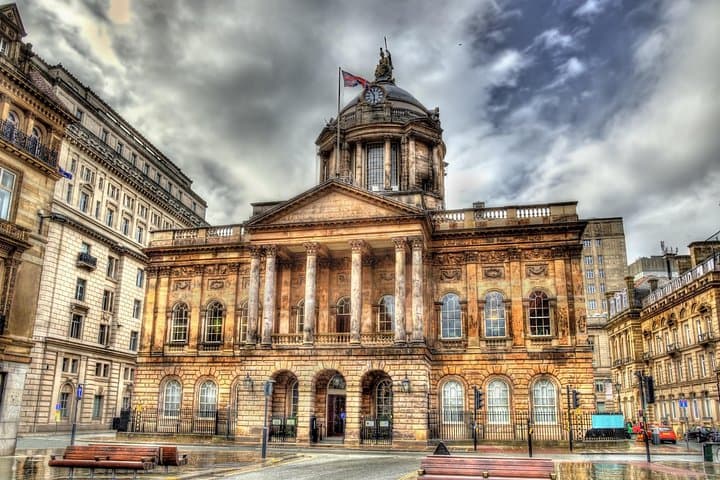
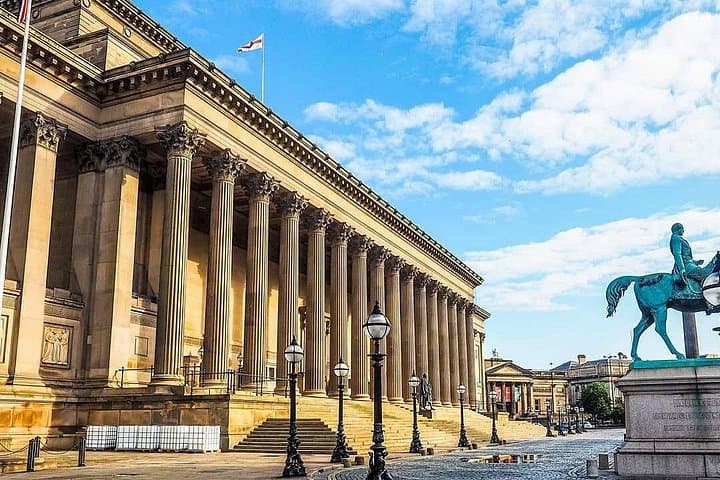
From Liverpool’s medieval charter in 1207 to the dry geometry of the 18th‑century Town Hall, the walk traces the city’s rise as a global port. Expect stops at the Old Dock—the world’s first commercial wet dock (1715)—the Cotton Exchange and Castle Street’s Georgian run of Grade I buildings, then on to the Royal Albert Dock where commerce met wartime logistics in the 19th and 20th centuries. Geology and urban form are obvious: low, flat streets built on reclaimed estuary land with cobbles and Victorian brick that retain the city’s marine edge; the Mersey’s current seems to push the story forward.
Culture threads through the route—migration, trade, and a working waterfront that shaped Liverpool’s identity. Guides here are post‑graduate historians, so expect detail and primary‑source storytelling rather than broad summaries.
Practical: the itinerary lasts about 1 hour 50 minutes covering roughly 2–3 miles on mostly flat, wheelchair‑accessible surfaces. Wear comfortable walking shoes, dress for changeable weather, and bring a small pack with water. Public transport links at Pier Head and Liverpool ONE make arrival easy. The pace is steady; questions are encouraged. If you want history with local color and concrete logistics, this tour delivers both.
The tour begins at the Royal Liver Building on Pier Head; exact meeting point details are provided on your booking confirmation.
Yes—surfaces on the standard itinerary are flat and wheelchair accessible, but contact the operator in advance for specific assistance needs.
The tour runs about 110 minutes and covers roughly 2–3 miles (3–5 km) at a steady but manageable pace with regular stops.
You can cancel for a full refund up to 24 hours before the scheduled start; check the operator’s cancellation policy for details.
Global City Experience operates guided outdoor trips and adventures with an emphasis on safety, stewardship, and memorable experiences.
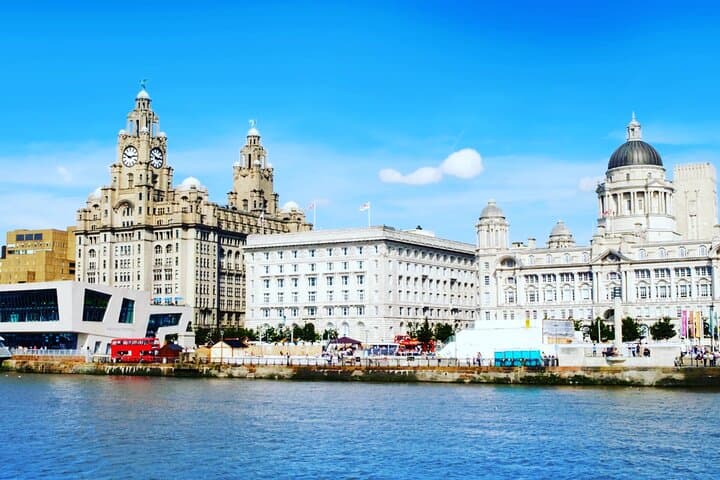

You meet at the Royal Liver Building as gulls wheel above the river and the Mersey dares you to look back at the city’s busiest century. The tour moves along paved waterfront and stone streets, voice of a local historian mapping centuries into blocks, docks and façades.
You meet at the Royal Liver Building as gulls wheel above the river and the Mersey dares you to look back at the city’s busiest century. The tour moves along paved waterfront and stone streets, voice of a local historian mapping centuries into blocks, docks and façades.
From Liverpool’s medieval charter in 1207 to the dry geometry of the 18th‑century Town Hall, the walk traces the city’s rise as a global port. Expect stops at the Old Dock—the world’s first commercial wet dock (1715)—the Cotton Exchange and Castle Street’s Georgian run of Grade I buildings, then on to the Royal Albert Dock where commerce met wartime logistics in the 19th and 20th centuries. Geology and urban form are obvious: low, flat streets built on reclaimed estuary land with cobbles and Victorian brick that retain the city’s marine edge; the Mersey’s current seems to push the story forward.
Culture threads through the route—migration, trade, and a working waterfront that shaped Liverpool’s identity. Guides here are post‑graduate historians, so expect detail and primary‑source storytelling rather than broad summaries.
Practical: the itinerary lasts about 1 hour 50 minutes covering roughly 2–3 miles on mostly flat, wheelchair‑accessible surfaces. Wear comfortable walking shoes, dress for changeable weather, and bring a small pack with water. Public transport links at Pier Head and Liverpool ONE make arrival easy. The pace is steady; questions are encouraged. If you want history with local color and concrete logistics, this tour delivers both.