
Living Dunes Experience from Swakopmund — Coastal Namib Desert Wildlife Walk
Explore the coastal dune belt outside Swakopmund on a guided 3–4 hour walk that highlights fog-basking beetles, sand-diving lizards and desert-adapted reptiles. This short drive-and-walk tour pairs natural-history interpretation with close-up wildlife watching.
An Adventure In Swakopmund.
Explore the coastal dune belt outside Swakopmund on a guided 3–4 hour walk that highlights fog-basking beetles, sand-diving lizards and desert-adapted reptiles. This short drive-and-walk tour pairs natural-history interpretation with close-up wildlife watching.
Read the full experience
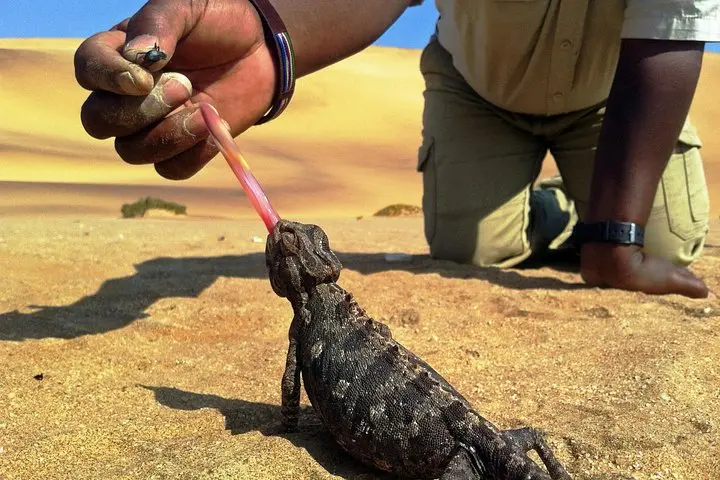
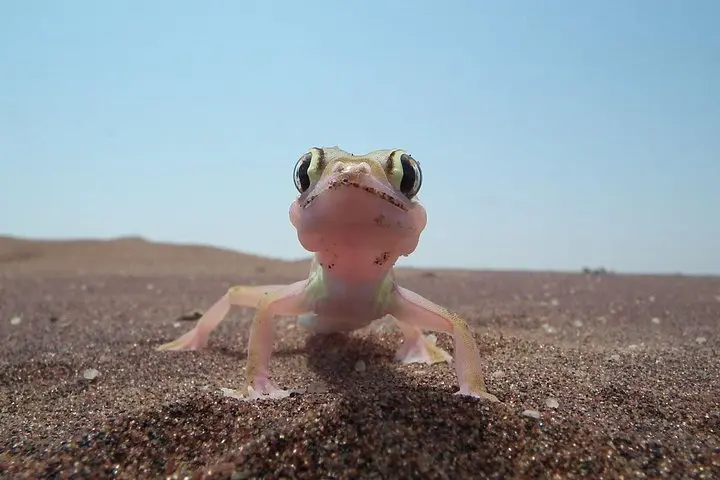
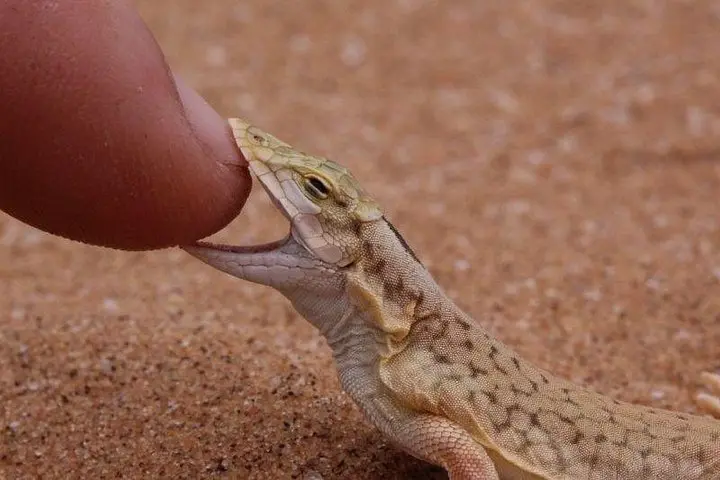
A wind-scrubbed ridge of sand rises like a moving shore; each crest holds life that only a practiced eye can read. You meet the Living Dunes a short drive from Swakopmund, stepping out onto coastal sand where fog and ocean-borne winds sculpt ripples and shadows. Guides lead quietly, scanning for tok-tokkie beetles, palmato geckos, sand-diving lizards and the rare sidewinder, their tracks telling stories between the dunes.
A wind-scrubbed ridge of sand rises like a moving shore; each crest holds life that only a practiced eye can read. You meet the Living Dunes a short drive from Swakopmund, stepping out onto coastal sand where fog and ocean-borne winds sculpt ripples and shadows. Guides lead quietly, scanning for tok-tokkie beetles, palmato geckos, sand-diving lizards and the rare sidewinder, their tracks telling stories between the dunes.
This strip of the Namib is geologically young—sand swept off the Skeleton Coast and piled by offshore currents for millennia—yet it hosts ancient survival strategies. The tok-tokkie beetle harvests fog; plants and animals time activity around the cool coastal mist. Culturally, Swakopmund bears German colonial architecture and a fishing-town rhythm; the dunes outside town are where coastal livelihoods meet wild desert processes.
Expect a guided 3–4 hour walk with a short dune drive included. Terrain is loose sand with short undulating climbs; wear closed shoes and layers for sudden fog or bright sun. Guides point out tracks, show how animals use subsurface moisture, and explain local conservation efforts protecting fragile microhabitats. Photography windows open in low light when textures and tracks are sharp; midday brings heat and fewer visible creatures.
Practical notes: bring at least 1 liter of water, sun protection, and a camera with a telephoto or macro lens if you want close-up shots. Tours typically include bottled water, park fees, and hotel pickup from central Swakopmund. The experience is equal parts natural-history walk and close-up wildlife scouting—quiet, observational, and sharply focused on survival in sand.
Frequently asked questions
The experience lasts about 3.5 hours and typically includes hotel pickup in central Swakopmund, a guided walk, bottled water, and national park fees.
Yes—guides note the tour is suitable for all fitness levels; children are welcome but a minimum of two people per booking applies.
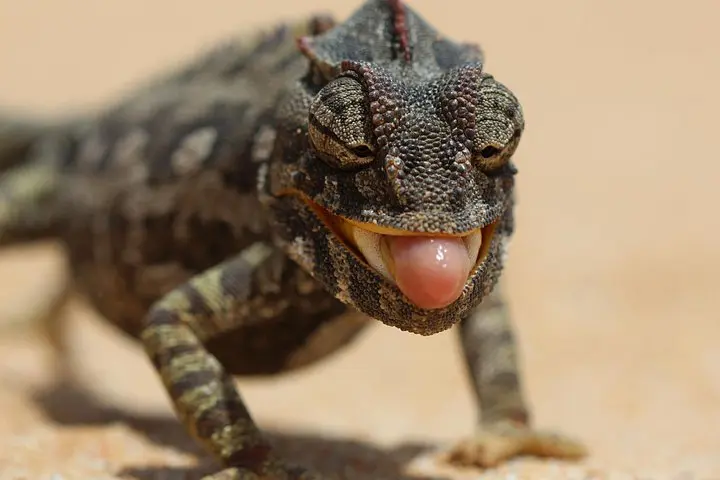
Look for tok-tokkie (fog-basking) beetles, palmato geckos, sand-diving lizards, sidewinder snakes and occasionally scorpions and small chameleons—sightings depend on time of day and weather.
Closed, grippy shoes are recommended for sand walking; bring layers, sun protection and a camera or binoculars for wildlife viewing.
About This Experience
Charly's Desert Tours operates guided outdoor trips and adventures with an emphasis on safety, stewardship, and memorable experiences.
Adventure tips
Recommended gear
- Sturdy hiking shoes: Protects feet and provides traction on shifting sand and steep wind-formed slopes.
- Windproof layer: Shields against cold coastal fog and sudden gusts while on exposed dunes.
- Sun hat and sunscreen: Prevents sunburn during open-sky stretches when fog clears.
- Macro/telephoto lens or binoculars: Helps photograph or observe small beetles and distant reptiles without disturbing them.
Photos of the experience
Related adventures & guides
Read the full experience
A wind-scrubbed ridge of sand rises like a moving shore; each crest holds life that only a practiced eye can read. You meet the Living Dunes a short drive from Swakopmund, stepping out onto coastal sand where fog and ocean-borne winds sculpt ripples and shadows. Guides lead quietly, scanning for tok-tokkie beetles, palmato geckos, sand-diving lizards and the rare sidewinder, their tracks telling stories between the dunes.
A wind-scrubbed ridge of sand rises like a moving shore; each crest holds life that only a practiced eye can read. You meet the Living Dunes a short drive from Swakopmund, stepping out onto coastal sand where fog and ocean-borne winds sculpt ripples and shadows. Guides lead quietly, scanning for tok-tokkie beetles, palmato geckos, sand-diving lizards and the rare sidewinder, their tracks telling stories between the dunes.
This strip of the Namib is geologically young—sand swept off the Skeleton Coast and piled by offshore currents for millennia—yet it hosts ancient survival strategies. The tok-tokkie beetle harvests fog; plants and animals time activity around the cool coastal mist. Culturally, Swakopmund bears German colonial architecture and a fishing-town rhythm; the dunes outside town are where coastal livelihoods meet wild desert processes.
Expect a guided 3–4 hour walk with a short dune drive included. Terrain is loose sand with short undulating climbs; wear closed shoes and layers for sudden fog or bright sun. Guides point out tracks, show how animals use subsurface moisture, and explain local conservation efforts protecting fragile microhabitats. Photography windows open in low light when textures and tracks are sharp; midday brings heat and fewer visible creatures.
Practical notes: bring at least 1 liter of water, sun protection, and a camera with a telephoto or macro lens if you want close-up shots. Tours typically include bottled water, park fees, and hotel pickup from central Swakopmund. The experience is equal parts natural-history walk and close-up wildlife scouting—quiet, observational, and sharply focused on survival in sand.
Make a day of it nearby.
Verified experiences and guided adventures in the surrounding area.