THE ADVENTURE COLLECTIVE® · Independent discovery and booking for outdoor travel

Spend three focused hours birding the Zambezi floodplain and Mosi-oa-Tunya National Park near Livingstone. Early mornings reveal waterbirds and colorful savanna species, backed by the geology of the Victoria Falls gorge.
Spend three focused hours birding the Zambezi floodplain and Mosi-oa-Tunya National Park near Livingstone. Early mornings reveal waterbirds and colorful savanna species, backed by the geology of the Victoria Falls gorge.
Dawn breaks over the Zambezi and the river wakes in thin, insistent voices: fish eagles calling from treetops, hammerkops weaving low over reedbeds. On a three-hour bird watching safari out of Livingstone you move quietly along the park tracks and river edges, binoculars up, as wetlands, woodland and mopane savanna trade species with each bend of the water.
Verified experiences and guided adventures in the surrounding area.
Operated by Dewclaw Eco Tours and Safaris Ltd 2.0 · Livingstone, Southern Province
Dawn breaks over the Zambezi and the river wakes in thin, insistent voices: fish eagles calling from treetops, hammerkops weaving low over reedbeds. On a three-hour bird watching safari out of Livingstone you move quietly along the park tracks and river edges, binoculars up, as wetlands, woodland and mopane savanna trade species with each bend of the water.
The trip centers on Mosi-oa-Tunya National Park and the Zambezi floodplain — the same basalt and gorges cut by the river that created Victoria Falls. The area’s geological drama produces shallow pools and riffles that attract resident and migratory birds; local Tonga communities have lived with the river for generations, harvesting resources and telling stories of the falls (Mosi-oa-Tunya). Zambia’s protected-areas network and community programs support habitat protection, which helps keep bird densities high.
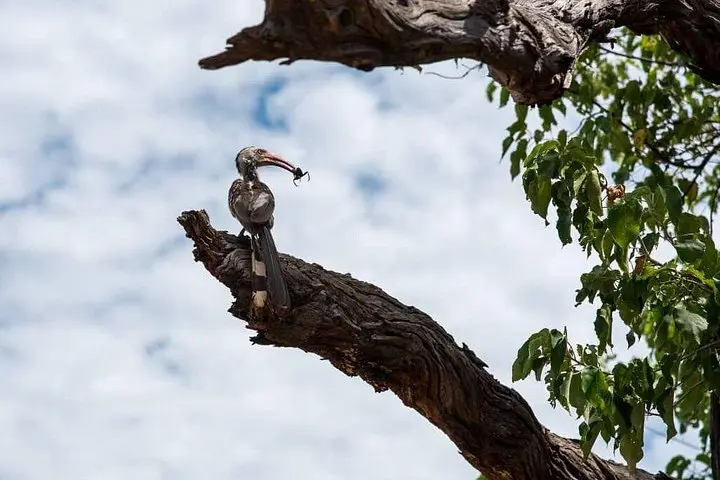
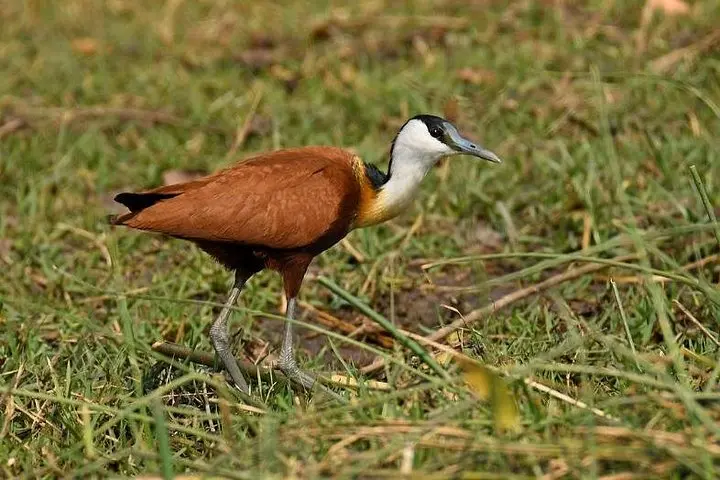
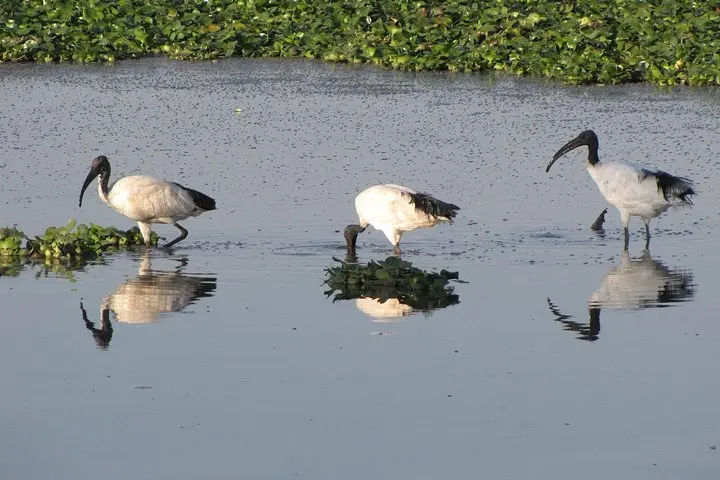
Expect a mix of waterbirds and colorful passerines: African fish eagle, lilac-breasted roller, kingfishers and waders are common along the banks. Guides use hides and slow drives to reveal skulking species in reedbeds and shade trees.
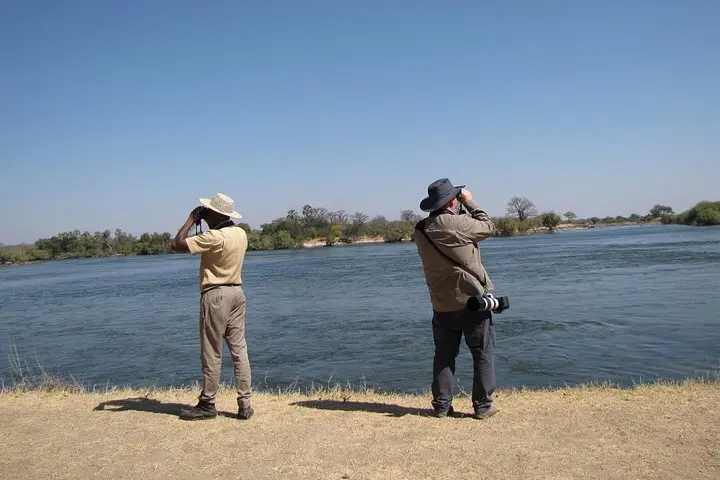
Practical guidance: the tour is rated easy — mostly flat walking and short drives over park roads. Best viewing is at first light or late afternoon; bring binoculars, a telephoto lens if photographing, neutral clothing, insect repellent and sun protection. Water and light snacks are provided, and the group size keeps disturbance low. Stay on established trails, keep voices down, and let the river and its birds decide when the show moves on.
The tour lasts approximately three hours and includes short walks and slow drives through Mosi-oa-Tunya National Park and along the Zambezi floodplain.
Common sightings include African fish eagle, lilac-breasted roller, kingfishers, herons and various waders, with seasonal migrants arriving in the wet months.
Yes — the activity is rated easy; infants must sit on an adult’s lap, and guides can keep to short, accessible paths on request.
Light snacks and bottled water are included; bring extra water in hot months and any personal medications you may need.
Dewclaw Eco Tours and Safaris Ltd 2.0 operates guided outdoor trips and adventures with an emphasis on safety, stewardship, and memorable experiences.
Dawn breaks over the Zambezi and the river wakes in thin, insistent voices: fish eagles calling from treetops, hammerkops weaving low over reedbeds. On a three-hour bird watching safari out of Livingstone you move quietly along the park tracks and river edges, binoculars up, as wetlands, woodland and mopane savanna trade species with each bend of the water.
Dawn breaks over the Zambezi and the river wakes in thin, insistent voices: fish eagles calling from treetops, hammerkops weaving low over reedbeds. On a three-hour bird watching safari out of Livingstone you move quietly along the park tracks and river edges, binoculars up, as wetlands, woodland and mopane savanna trade species with each bend of the water.
The trip centers on Mosi-oa-Tunya National Park and the Zambezi floodplain — the same basalt and gorges cut by the river that created Victoria Falls. The area’s geological drama produces shallow pools and riffles that attract resident and migratory birds; local Tonga communities have lived with the river for generations, harvesting resources and telling stories of the falls (Mosi-oa-Tunya). Zambia’s protected-areas network and community programs support habitat protection, which helps keep bird densities high.
Expect a mix of waterbirds and colorful passerines: African fish eagle, lilac-breasted roller, kingfishers and waders are common along the banks. Guides use hides and slow drives to reveal skulking species in reedbeds and shade trees.
Practical guidance: the tour is rated easy — mostly flat walking and short drives over park roads. Best viewing is at first light or late afternoon; bring binoculars, a telephoto lens if photographing, neutral clothing, insect repellent and sun protection. Water and light snacks are provided, and the group size keeps disturbance low. Stay on established trails, keep voices down, and let the river and its birds decide when the show moves on.